Ceiling Fan Installation in 1950s Homes Without Ground Wire: 2026 Safety Guide
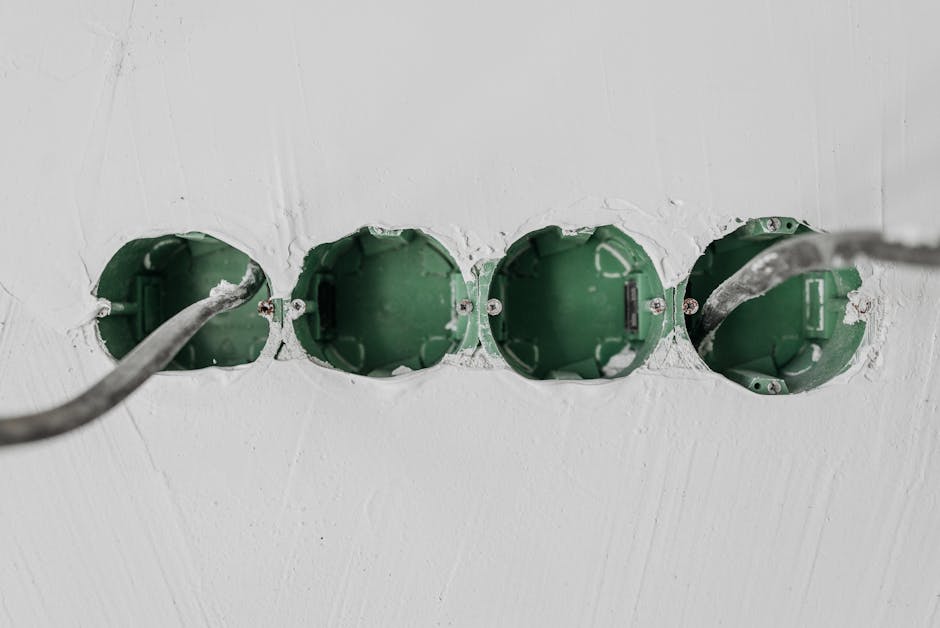
Photo by Pavel Danilyuk / Pexels
Understanding the Ground Wire Problem in Vintage Homes
If you're tackling a ceiling fan replacement in a 1950s home in 2026, you've likely encountered a frustrating reality: no ground wire. This is incredibly common in older homes. Back when these houses were built, grounding standards were different, and many installations simply didn't include the third wire that modern electrical codes require.
The ground wire (typically bare copper or green insulated) serves a critical safety function. It provides a path for electrical current to safely reach ground in case of a fault, protecting you from electrical shock. Modern ceiling fans almost always come with a ground wire attached, so you're faced with a decision: what do you do with it?
The important thing to understand is that you absolutely cannot ignore this wire or cap it off improperly. Your safety depends on handling this situation correctly.
Your Options for Handling the Ground Wire
In 2026, electricians have several legitimate approaches to this common problem. Here's what you need to know about each option:
Option 1: Leave It Unconnected (If Code Allows)
In some jurisdictions, if there's genuinely no ground available in the electrical box, you can safely cap off the fan's ground wire using a wire nut or wire connector. This is only acceptable when it's impossible to ground the fan any other way. The wire must be properly insulated and secured so it can't become a hazard.
However, this solution has fallen out of favor with many modern electricians and some jurisdictions no longer allow it. Check your local electrical code before proceeding with this method.
Option 2: Ground to the Metal Electrical Box
If your ceiling fan box is metal (not plastic), you may be able to ground the fan's ground wire to the box itself. This requires a green ground screw installed in the box. The box must itself be properly grounded, which it might be if it's connected to the home's metal conduit system.
This is a legitimate solution in many cases, but you'll need to verify that your box is actually grounded. If you're unsure, this is a good time to call a licensed electrician.
Option 3: Run a New Ground Wire (The Best Solution)
The most code-compliant solution is to run a new ground wire from the fan back to a proper ground source. This could mean:
- Running it back to the main panel where it can be grounded
- Connecting it to a ground wire from another circuit in the same box (if one exists)
- Running it to a water pipe ground or other approved grounding electrode
This is the most involved option but it's permanent, safe, and future-proof. If you're comfortable with electrical work, you can do this yourself with the proper copper ground wire. Otherwise, hire a licensed electrician.
Step-by-Step Installation Process
Once you've determined your approach to the ground wire, here's how to proceed with the actual fan installation:
Before You Start
- Turn off power to the existing fan circuit at the breaker box
- Use a voltage tester to confirm the power is actually off
- Have your new fan's instructions and all hardware ready
- Ensure you have a sturdy ladder or scaffolding
Removal and Inspection
Remove the old fan carefully, noting how the wires were connected. Take a photo before disconnecting anything. Once removed, inspect the electrical box in the ceiling. Is it metal or plastic? Is it securely fastened? Does it look damaged? This inspection will inform which grounding option you can use.
Connection Process
Follow these general steps:
- Connect the black (hot) wire from the ceiling to the black wire on the fan using a wire connector
- Connect the white (neutral) wire from the ceiling to the white wire on the fan
- Handle the ground wire according to your chosen option above
- Secure all connections with proper wire nuts or connectors
- Tuck wires carefully into the box
- Install the fan mounting bracket and assemble the fan according to manufacturer instructions
Key Considerations for 1950s Home Wiring
Working with vintage electrical systems requires extra caution. Many 1950s homes used different wiring standards than we use today. Here's what to watch for:
Knob and Tube Wiring: Some very old homes still have this dangerous wiring system. If you see cloth-covered wires running through your attic, stop immediately and consult an electrician. This wiring is a fire hazard and should be replaced.
Aluminum Wiring: Fairly common in 1950s homes, aluminum wiring can be problematic. It requires special handling and connections. If you see silver-colored wires instead of copper, exercise extra caution.
Outdated Electrical Panels: Older panels may have limited capacity. If your home's panel is near capacity, adding a ceiling fan might require an electrician's assessment.
Cloth-Insulated Wiring: Some 1950s homes used cloth insulation instead of plastic. This can be brittle and prone to failure. Handle it gently and never force connections.
When to Call a Licensed Electrician
While many homeowners can tackle this project in 2026, certain situations demand professional help:
- If you discover knob and tube wiring or other dangerous systems
- If you're uncomfortable working with electricity at any point
- If your local electrical code requires permits for ceiling fan installation
- If the existing electrical box seems damaged or improperly installed
- If you need to run a new ground wire more than a few feet
- If you have questions about whether your box is properly grounded
Hiring a licensed electrician costs more upfront but ensures the job is done safely and to code. This is especially important in older homes where surprises are common.
Comparison Table: Grounding Solutions
| Solution | Cost | Difficulty | Code Status | Best For |
|---|---|---|---|---|
| Cap Off Ground Wire | $5-15 | Very Easy | Varies by Code | Temporary fixes (not recommended) |
| Ground to Metal Box | $10-30 | Easy | Generally Acceptable | Metal boxes with existing ground |
| Run New Ground Wire | $50-200+ | Moderate to Hard | Always Compliant | Permanent, safe solution |
| Hire Electrician | $200-500+ | N/A | Fully Compliant | Safety-first approach |
Key Takeaways
- Never ignore a ground wire—it's a critical safety component
- 1950s homes without ground wiring are common; it's a solvable problem
- You have multiple legitimate options depending on your situation
- Grounding to a metal box is often the easiest solution if available
- Running a new ground wire is the most permanent and code-compliant approach
- When in doubt, hire a licensed electrician to ensure safety
- Always use proper wire connectors and follow manufacturer instructions
- Check your local electrical code before proceeding
Frequently Asked Questions
Can I use a ceiling fan without grounding it?
Technically, in some jurisdictions you can cap off the ground wire if no grounding is available. However, this is increasingly discouraged by modern electrical codes. A properly grounded fan is always safer. Modern code in most areas requires grounding whenever possible, so check your local requirements before deciding to skip grounding.
Will my 1950s electrical panel handle a ceiling fan?
Almost certainly yes. Ceiling fans draw very little power (typically 50-100 watts for the motor). Even older panels with limited capacity shouldn't have issues with a standard ceiling fan. However, if you're adding a ceiling fan with a heater or extremely high-capacity light kit, your panel might need assessment. When in doubt, have an electrician check your panel capacity.
What if I find dangerous wiring while removing my old fan?
Stop work immediately and consult a licensed electrician. Dangerous wiring like knob and tube, severely damaged insulation, or unfamiliar wiring systems should never be handled by an untrained person. Your electrician can safely assess the situation and recommend repairs. This discovery might lead to larger rewiring projects, but it's better to address safety issues now than risk a fire later.