Common Cooking Mistakes in 2026: Signs You're Not an Experienced Cook Yet
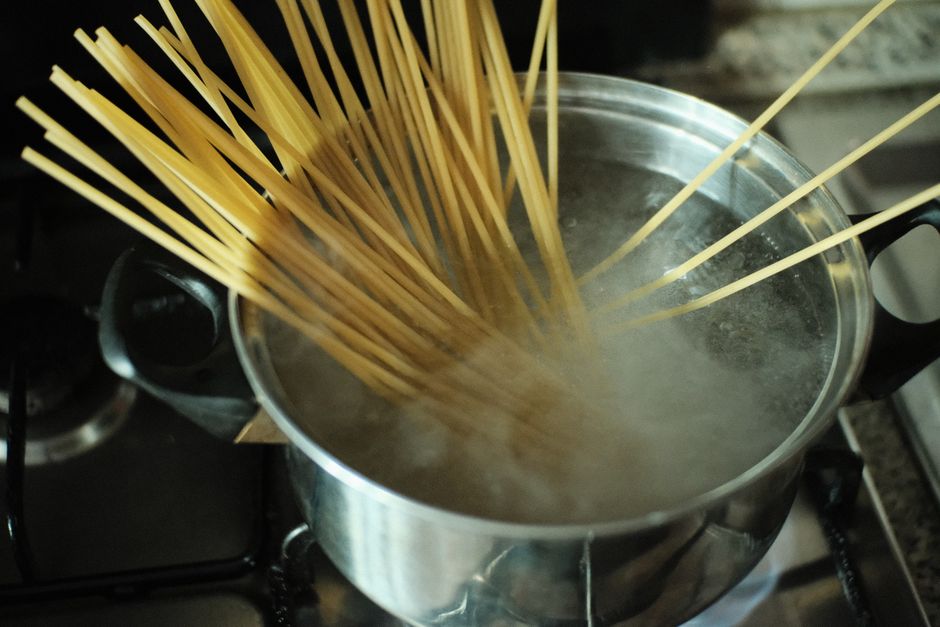
Photo by Gianpiero Ferraro / Pexels
The Classic Pasta Blunder: A Sign of Cooking Inexperience
If there's one cooking mistake that instantly reveals whether someone knows their way around the kitchen, it's adding dried pasta to cold water. The scenario is almost comedic: a friend fills a pot with water, places it on the stove, immediately dumps in a bag of dried pasta, and then turns on the heat. It's backwards, inefficient, and results in mushy, poorly cooked pasta.
This mistake happens because beginners don't understand the fundamental principle that pasta needs to cook in rapidly boiling water. The starch releases differently in boiling versus lukewarm water, and timing matters tremendously. When you add pasta to cold water that's just beginning to heat up, the pasta absorbs water unevenly and begins breaking down before the water even reaches a rolling boil.
The correct technique is straightforward: bring your water to a rolling boil first, then add your pasta. This ensures even cooking and better texture. If you're still making this mistake in 2026, it's definitely time to adjust your kitchen habits.
Why These Mistakes Matter: The Difference Between Cooking and Not Cooking
The original Reddit post sparked an important conversation about what distinguishes people who cook regularly from those who don't. It's not about being pretentious or gatekeeping—it's about understanding the science and technique behind food preparation.
Common signs that someone doesn't cook regularly include:
- Not understanding the importance of temperature control
- Skipping mise en place (preparing ingredients beforehand)
- Not tasting food while cooking to adjust seasoning
- Using dull knives instead of investing in proper sharp kitchen knives
- Overcrowding pans, which prevents proper browning
- Not reading recipes completely before starting
- Treating cooking time as exact rather than as a guideline
These aren't judgments—they're observations. Most experienced cooks made these same mistakes when learning. The key difference is that regular cooks learned from them and adjusted their approach.
Common Rookie Mistakes in 2026: What Home Cooks Should Avoid
The conversation on Reddit revealed dozens of common mistakes. Here are some of the most frequent ones:
Temperature and Heat Management
One of the biggest areas where beginners struggle is understanding heat levels. Using high heat for everything, or conversely, cooking everything on low heat, prevents proper food development. Searing meat requires high, dry heat to create a crust. Simmering sauces needs low, gentle heat. Learning to adjust your stovetop settings based on what you're cooking is essential.
Not Seasoning Properly
Beginners often make the mistake of seasoning only at the end of cooking. Professional cooks taste constantly and season in layers throughout the cooking process. This allows flavors to develop and integrate properly. Keep a good salt accessible while cooking and taste frequently.
Overcrowding the Pan
When you pack too many ingredients into a single pan, they steam instead of sear. This is especially true with vegetables and meat. Give your ingredients space to develop proper color and texture. Cook in batches if necessary.
Not Prepping Ingredients First
Mise en place—having all your ingredients measured, chopped, and ready before you start cooking—separates organized cooks from frazzled ones. This prevents burning, allows you to focus on technique, and makes the entire process more enjoyable.
The Kitchen Tools That Reveal a Cook's Experience Level
Your kitchen setup tells a story. Experienced cooks invest in tools that make cooking easier and more precise. Here are essentials that experienced home cooks prioritize:
| Item | Beginner Approach | Experienced Cook Approach |
|---|---|---|
| Knives | Uses dull multi-purpose knife | Maintains sharp chef and paring knives |
| Pans | Uses whatever pan is available | Owns appropriate pans for different techniques |
| Thermometer | Guesses when meat is done | Uses instant-read thermometer |
| Measuring | Eyeballs measurements | Uses kitchen scale for precision |
| Seasoning | Relies on pre-made seasonings | Stocks whole spices and tastes constantly |
Learning from Mistakes: How to Improve Your Cooking in 2026
The beautiful thing about cooking is that every mistake is a learning opportunity. The original Reddit post, despite the poster's concern about coming across negatively, actually highlighted something valuable: awareness of these mistakes helps you avoid them.
To improve your cooking skills:
- Read recipes completely before you start, not just the ingredient list
- Invest in a few quality tools like a sharp knife and reliable mixing bowls
- Practice basic techniques repeatedly until they become muscle memory
- Taste constantly and adjust seasoning as you cook
- Use proper heat levels for different cooking methods
- Don't fear experimenting once you understand the fundamentals
- Watch experienced cooks and learn from their methods
Remember, every experienced cook was once a beginner who made these exact mistakes. The difference is they recognized the errors and made adjustments. In 2026, there are more cooking resources available than ever before—use them to accelerate your learning.
Key Takeaways
- Adding pasta to cold water is a classic beginner mistake that prevents proper cooking
- Understanding temperature control, seasoning, and pan management separates experienced cooks from novices
- Investing in quality tools and using proper technique makes a measurable difference
- Every cooking mistake is an opportunity to learn and improve
- Regular home cooks taste constantly, prep ingredients beforehand, and understand cooking science
FAQs
What's the difference between cooking pasta in cold vs. boiling water?
Pasta added to cold water begins absorbing water and breaking down before the water reaches a boil. This results in uneven texture and mushy pasta. Boiling water cooks pasta evenly and develops the proper al dente texture. Always bring water to a rolling boil first.
How do I know if I'm seasoning my food enough?
Taste your food frequently while cooking. Season in layers throughout the cooking process rather than all at the end. Start with a small amount of salt and build up. Good seasoning shouldn't taste salty—it should enhance the natural flavors of the ingredients.
What's the most important cooking skill to master?
Understanding and controlling heat is arguably the most important skill. Proper temperature control affects browning, cooking speed, and food safety. Learn the differences between high-heat searing, medium-heat sautéing, and low-heat simmering."