Contractor Checklist 2026: 7 Critical Steps Before Hiring (Avoid $4K Mistakes)
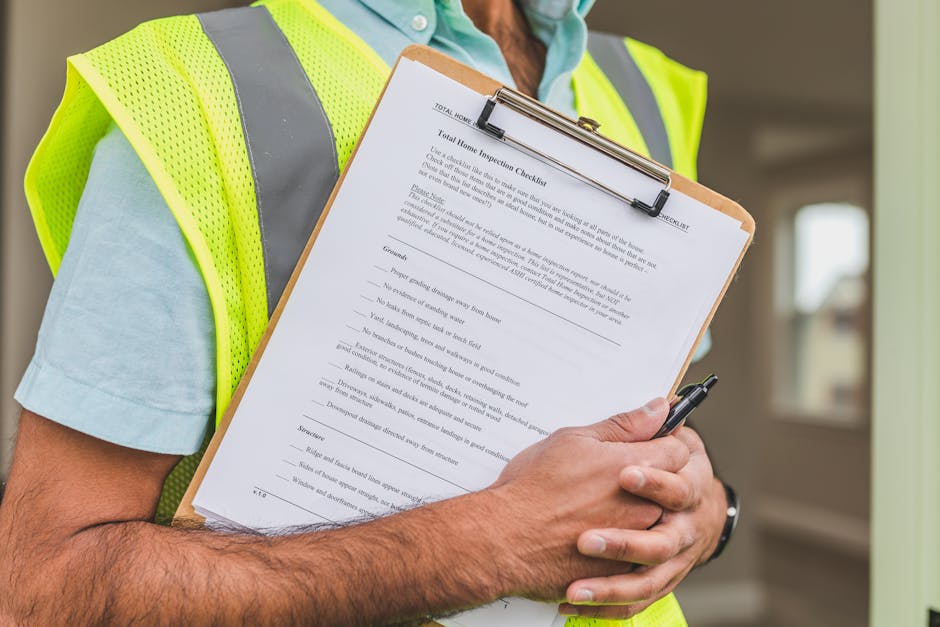
Photo by RDNE Stock project / Pexels
Why Contractor Vetting Matters in 2026
A knock on the door after a storm, a friendly quote, and a handshake—this is how thousands of homeowners end up in expensive situations. That Reddit post about nearly losing $4,000 on an unlicensed contractor is more common than you'd think. The homeowner did everything "right" on the surface but almost missed the critical detail that could have cost them thousands and left their home with substandard work.
The difference between a smooth renovation and a nightmare comes down to one thing: proper vetting before you sign anything. In 2026, with digital tools making verification easier than ever, there's no excuse for skipping these steps.
Step 1: Verify the Contractor's License and Status
This is the foundation of your checklist, and it's more complex than many homeowners realize. License verification isn't just a simple yes-or-no answer.
How to Actually Verify a License
- Find the right board – Each state has different licensing bodies. Search for your state's license verification board (usually found on the Secretary of State or Department of Consumer Affairs website)
- Understand license types – Roofing, electrical, and plumbing contractors often need different licenses. A general contractor license doesn't automatically cover specialty work
- Check status codes – A license might be active, inactive, expired, suspended, or revoked. These statuses aren't always clearly explained, so read the fine print
- Confirm expiration dates – Licenses expire. Verify the expiration date hasn't passed (many contractors renew late)
- Look for complaints – Most state boards maintain complaint histories. Check if previous customers have filed against this contractor
Pro tip: Call the state board directly if anything seems unclear. Don't rely on what the contractor tells you about their license status.
Step 2: Request and Verify Insurance Coverage
A licensed contractor without proper insurance can still leave you liable for injuries or damages. You need two types of insurance confirmed in writing:
General Liability Insurance
This covers property damage and bodily injury caused by the contractor's work. Request a certificate of insurance directly from their insurance company, not from the contractor themselves. Verify the policy is active and covers the specific work you're having done.
Workers' Compensation Insurance
If the contractor has employees, they must carry workers' compensation. This is legally required in most states. If an employee gets injured on your property and the contractor lacks this insurance, you could be liable.
Never accept verbal confirmation. Always request documentation you can verify independently with the insurance provider.
Step 3: Check References and Past Work
References tell you how a contractor actually performs, not just what they claim they can do.
Getting Meaningful References
- Ask for recent work – Request references from jobs completed within the last 12 months, not from 5 years ago
- Ask specific questions – Don't just ask "was he good?" Ask: "Did he finish on time?", "Were there unexpected costs?", "How did he handle problems?", "Would you hire him again?"
- Visit completed projects – If possible, see the work in person. Photos can be misleading
- Check online reviews – Look at Google Reviews, Yelp, Better Business Bureau, and Angie's List (yes, despite the request to avoid it, it's actually useful for cross-checking). Look for patterns in complaints
- Verify references are real – Confirm the phone numbers are correct and you're actually talking to previous clients, not friends posing as clients
Step 4: Get Everything in Writing
The contract is your protection. A detailed written contract prevents misunderstandings and gives you recourse if something goes wrong.
What Should Be in the Contract
- Detailed scope of work (be as specific as possible)
- Materials to be used (brand and quality specifications)
- Timeline with start and completion dates
- Total cost and payment schedule
- Warranty information (workmanship and materials)
- Insurance information and license numbers
- Who's responsible for permits and inspections
- What happens if costs exceed the estimate
- Cancellation and dispute resolution terms
Never pay the full amount upfront. Typical payment schedules are: 25% deposit, 50% halfway through, and 25% upon completion. If a contractor demands payment in full before starting, that's a red flag.
Step 5: Confirm Permit and Inspection Requirements
Some homeowners try to save money by skipping permits, or they assume the contractor will handle them. This is dangerous.
Major work like roofing, electrical, and plumbing typically requires permits and inspections. These aren't bureaucratic hassles—they ensure the work meets building codes and protects you legally. If something goes wrong later, unpermitted work can affect your home's resale value and void insurance claims.
Confirm in writing who's responsible for obtaining permits and paying permit fees. Usually, the contractor handles this, but it should be explicitly stated.
Step 6: Verify Bonding
A contractor bond is different from insurance. A bond is a guarantee that the contractor will complete the job or return your money. If the contractor abandons the job or fails to pay sub-contractors, the bonding company covers the cost.
Not all contractors are bonded, but those working on significant projects should be. Ask for proof of bonding and verify it directly with the bonding company.
Step 7: Trust Your Gut (But Verify First)
If a contractor seems pushy, vague about credentials, or unwilling to provide documentation, that's a sign to keep looking. There are plenty of reputable contractors out there.
However, don't let one red flag automatically disqualify someone. A contractor might have had one complaint 10 years ago and learned from it. The goal is to look at the full picture: current license status, recent references, no pattern of complaints, and willingness to provide documentation.
Comparison: Verification Methods by Contractor Type
| Verification Method | Roofing Contractors | Electrical Contractors | Plumbing Contractors |
|---|---|---|---|
| State License Required | Yes (most states) | Yes (all states) | Yes (most states) |
| Bond Required | Recommended | Often required | Often required |
| Specialty Insurance | General liability | General + sometimes equipment | General + sometimes equipment |
| Inspection After Completion | Municipal inspection | City/county electrical inspection | City/county plumbing inspection |
Key Takeaways
- Verify licenses through your state's board directly—don't trust the contractor's word
- Request insurance certificates and verify coverage independently
- Contact recent references and ask specific, detailed questions about their experience
- Get a comprehensive written contract covering scope, timeline, cost, and warranties
- Confirm permits and inspections are handled properly—never skip this step
- Check for bonding and past complaints before signing anything
- Trust your instincts, but always verify with documentation
Tools to Help Your Verification Process
Making this checklist easier: keep a contractor checklist clipboard handy when interviewing contractors. Having your questions written down ensures you don't forget anything. You might also want to grab a document organizer folder to keep all contracts, insurance documents, and references in one place for easy reference.
FAQ
How long does contractor verification actually take?
For a single contractor, plan on 30-45 minutes: 10 minutes verifying license, 10 minutes confirming insurance, 15 minutes contacting references, and 5 minutes reviewing the contract. It's worth every minute to avoid that $4,000 mistake.
What should I do if a contractor gets defensive about providing documentation?
That's a red flag. Legitimate contractors expect and are prepared for this verification process. If someone gets defensive, move on to the next contractor. There are plenty of reputable professionals who won't mind proving their credentials.
Can I hire a contractor based on online reviews alone?
Online reviews are helpful, but they're only one data point. Someone might have had a great experience that doesn't match your project needs, or negative reviews might be from customers with unrealistic expectations. Use reviews as a starting point, but complete the full verification checklist.