How to Make Cottage Cheese Taste Better in 2026: Low-Calorie Flavor Hacks
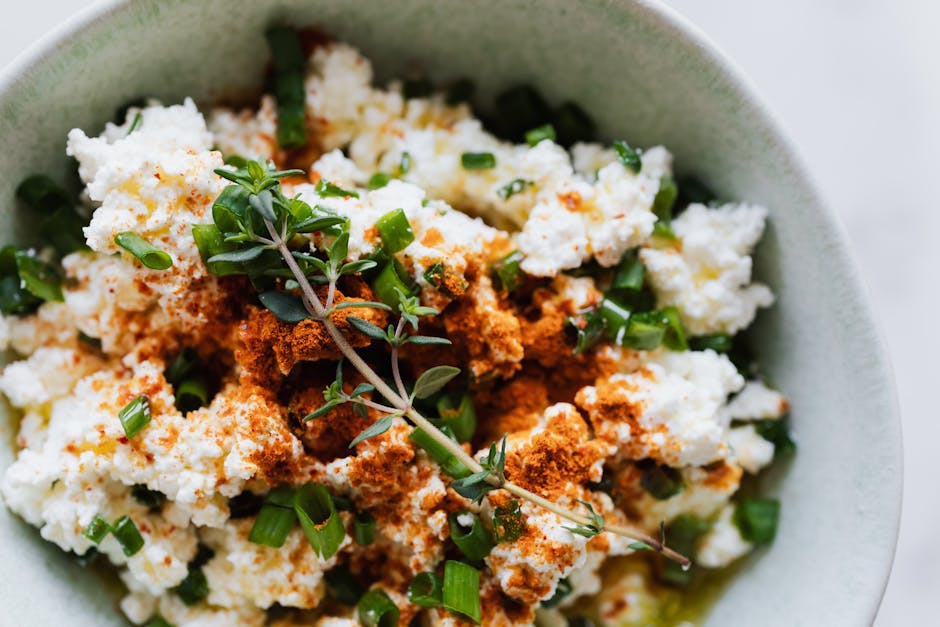
Photo by www.kaboompics.com / Pexels
The Cottage Cheese Dilemma in 2026
Cottage cheese has become a staple for anyone serious about building muscle while maintaining a calorie deficit. With roughly 14 grams of protein per half-cup serving and just 110 calories, it's genuinely one of the most efficient protein sources available today. Yet there's a catch—that distinctive tangy, salty taste keeps many people from enjoying it regularly.
If you're struggling with cottage cheese's strong acidic bite, you're not alone. The 2026 fitness community is increasingly vocal about finding practical solutions to make this nutritional powerhouse actually enjoyable. The good news? There are numerous ways to transform the flavor without derailing your caloric goals.
Understanding Why Cottage Cheese Tastes So Strong
Before diving into solutions, it helps to understand what's actually creating that taste. Cottage cheese's signature flavor comes from several factors. The lactic acid fermentation process during production creates that tangy bite, while added salt acts as a preservative and flavor enhancer. Different brands vary in their salt content and fermentation length, which is why some cottage cheese tastes dramatically different from others.
The acidity level can actually work in your favor once you understand it. That same acid that makes it taste strong is what gives cottage cheese its distinctive texture and shelf stability. When you pair it with the right ingredients, that tanginess becomes a feature rather than a bug.
Flavor-Boosting Strategies Without Extra Calories
The key to enjoying cottage cheese while staying in your calorie budget is learning which additions provide maximum flavor impact with minimal caloric investment. Here are proven methods that actually work:
Acid-Based Flavor Pairings
Instead of fighting the cottage cheese's natural acidity, lean into it. Citrus juice—particularly lemon or lime—adds brightness that complements rather than conflicts with the existing tang. A squeeze of fresh lemon juice (virtually zero calories) can completely shift how your brain perceives the dish. The citric acid actually harmonizes with the lactic acid, creating a more complex flavor profile.
Similarly, vinegar-based additions work remarkably well. A tablespoon of balsamic vinegar adds just 12 calories but delivers intense flavor. Try apple cider vinegar for a sharper note, or white vinegar for something more subtle.
Spice and Herb Applications
Spices are your secret weapon for low-calorie flavor transformation. Fresh herbs like dill, chives, cilantro, and parsley are virtually calorie-free but pack serious flavor. A handful of chopped fresh dill plus black pepper can make cottage cheese taste like an entirely different food.
Za'atar, which you mentioned already trying, is brilliant—but try using just a teaspoon mixed in rather than generous amounts. When spices are properly incorporated into cottage cheese, their flavors bloom and distribute throughout, requiring less total volume. Ground cumin, smoked paprika, cayenne pepper, and garlic powder are all extremely potent and calorie-free additions.
Texture Modification Through Mix-Ins
Sometimes the issue isn't just taste but the monotonous texture. Adding foods that provide crunch or contrast can make the entire experience more enjoyable. Crispy elements like cucumber slices, radishes, or celery provide textural interest with almost no caloric cost. A small amount of crushed almonds or walnuts (roughly 50-80 calories per tablespoon) adds tremendous crunch and satisfaction.
Try making a cottage cheese "salad" with diced tomatoes, red onion, cucumber, and fresh herbs. The water content in vegetables adds volume without calories, making portions feel more substantial while the acids in tomatoes complement cottage cheese's tanginess.
Comparing Low-Calorie Flavor Solutions
| Method | Flavor Impact | Calories Added | Ease of Use |
|---|---|---|---|
| Fresh lemon juice | Very High | ~2 | Very Easy |
| Fresh herbs (dill, chives) | Very High | ~0-5 | Very Easy |
| Spice blends (cumin, paprika) | Very High | ~0 | Very Easy |
| Balsamic vinegar | High | ~12 | Very Easy |
| Crushed nuts | High | 50-80 | Easy |
| Vegetable mix (salad style) | High | ~15-30 | Moderate |
Practical Recipe Ideas to Try Now
The Mediterranean Bowl
Combine one cup cottage cheese with diced cucumber, cherry tomatoes, red onion, kalamata olives (just 5-6 for flavor), fresh dill, and a squeeze of lemon juice. The combination of acidic tomatoes, briny olives, and bright lemon completely masks the cottage cheese tang while staying under 200 calories total.
The Savory Breakfast Option
Mix cottage cheese with everything bagel seasoning, cracked black pepper, a tiny pinch of sea salt, and fresh chives. Add diced tomato and a poached egg on top if your calorie budget allows. This transforms cottage cheese into something that feels more like a proper breakfast dish than a diet food.
The Spicy Kick Version
Combine cottage cheese with sriracha (just one teaspoon—it's potent), fresh cilantro, lime juice, diced jalapeño, and a pinch of cumin. This creates an entirely different flavor profile that appeals to people who love bold, spicy food.
The Sweet Alternative
If you prefer sweeter options, mix cottage cheese with a small amount of honey (one tablespoon adds 64 calories), vanilla extract, cinnamon, and fresh berries. This proves cottage cheese doesn't always need to go savory.
Choosing the Right Cottage Cheese Brand Matters
Not all cottage cheese tastes equally strong. In 2026, you have more options than ever. Some brands like Good Culture focus on lower sodium content, while others emphasize natural fermentation. Trying different brands might reveal that much of your taste issue comes from a specific product's salt level or fermentation length rather than cottage cheese itself.
Consider investing in a quality glass food storage container to keep different cottage cheese varieties fresh while you experiment. This investment pays dividends as you find your preferred brands and flavor combinations.
Key Takeaways
- Cottage cheese's strong taste comes from lactic acid and salt—understanding this helps you work with rather than against these flavors
- Fresh citrus, herbs, and spices provide massive flavor impact with virtually zero calories
- Texture modifications and vegetable additions make cottage cheese more enjoyable and satisfying
- Different brands vary significantly in salt content and tanginess—experimentation is worthwhile
- The key to sustainable cottage cheese consumption is finding flavor combinations that genuinely excite you, not just tolerate
FAQs About Low-Calorie Cottage Cheese Flavoring
Does heating cottage cheese affect its taste?
Yes, heating cottage cheese actually mellows its tanginess somewhat. Some people find warm cottage cheese less acidic-tasting, though it's less popular as a base ingredient. Warming it slightly can make the strong taste less pronounced, though most people prefer it cold.
Can I use cottage cheese as a cream cheese substitute to reduce calories?
Absolutely. Blended cottage cheese (use a immersion blender for 2-3 minutes) becomes much smoother and cream cheese-like. This texture change often makes the taste more palatable while saving significant calories compared to full-fat cream cheese.
Why do some people suggest mixing cottage cheese with Greek yogurt?
Greek yogurt's creamier texture and milder taste can balance cottage cheese's tanginess. While you mentioned Greek yogurt's expense where you live, even mixing one part Greek yogurt with three parts cottage cheese stretches your budget while significantly improving the taste experience. The flavor becomes more neutral and the texture becomes smoother.