CPVC Fitting Joint Failure After 20+ Years: What Causes It in 2026
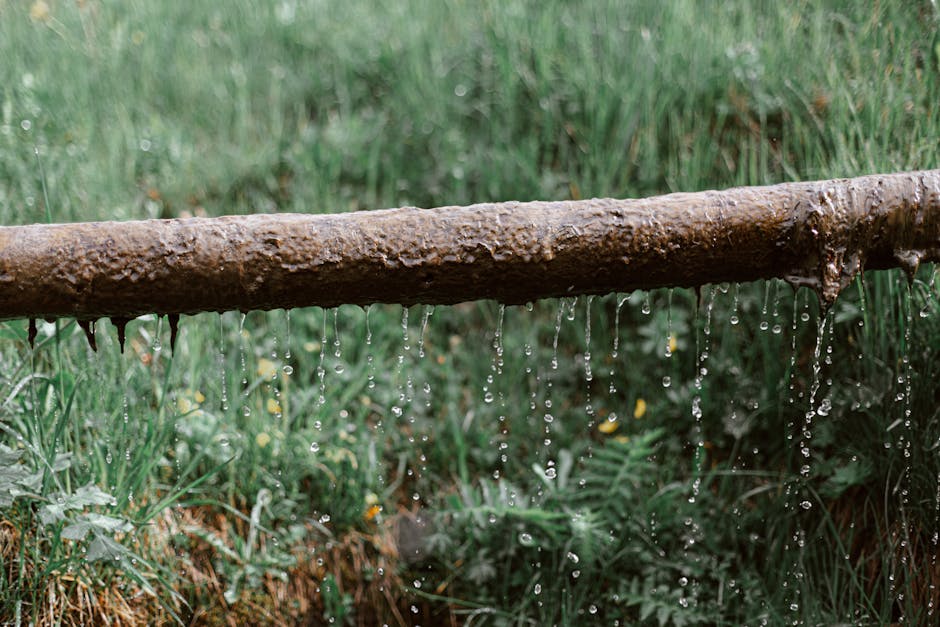
Photo by eberhard grossgasteiger / Pexels
Understanding CPVC Joint Failures: A 2026 Perspective
If you've discovered a CPVC elbow leaking at the joint after 20+ years of service, you're dealing with a common problem that affects many homeowners. CPVC (Chlorinated Polyvinyl Chloride) pipes have been a popular choice for residential plumbing since the 1980s, but like all materials, they have a lifespan. When a joint suddenly fails after two decades of reliable service, several factors could be at play.
The spontaneous failure of a CPVC joint isn't actually spontaneous at all—it's the result of gradual degradation that finally reaches a breaking point. Understanding what causes these failures can help you address the immediate problem and prevent future issues throughout your home's plumbing system.
Primary Causes of CPVC Joint Failure
UV Exposure and Sunlight Degradation
One of the most significant threats to CPVC pipes is exposure to ultraviolet (UV) light. While many homeowners don't think about UV damage to pipes in basements or walls, any CPVC exposed to sunlight—even indirect light through windows—will gradually degrade. The chlorine molecules in the plastic become unstable when exposed to UV rays, causing the material to become brittle and lose its flexibility. After 20 years, even minimal UV exposure can compound into serious structural weakness.
Thermal Stress and Temperature Fluctuations
CPVC is designed to handle hot water, but repeated thermal cycling—where pipes expand and contract due to temperature changes—places significant stress on the joints. Over 20+ years, thousands of heating and cooling cycles can cause the solvent cement bond at the joint to weaken. The fitting and pipe expand and contract at slightly different rates, creating microscopic stress fractures that eventually lead to leaks.
Solvent Cement Degradation
The joint itself is sealed using CPVC solvent cement, which chemically bonds the pipe to the fitting. This cement doesn't last forever. Over time, the cement can degrade due to exposure to water pressure, temperature fluctuations, and chemical reactions. The bond that was created during installation gradually weakens, eventually allowing water to seep through the joint interface.
Water Chemistry and Mineral Buildup
The water flowing through your pipes contains minerals and chemicals that can affect the integrity of CPVC joints. Hard water with high mineral content can deposit scale inside pipes and at joints. Additionally, if your water supply contains aggressive chemicals or has an unusual pH level, it can accelerate degradation of both the pipe material and the solvent cement bond.
Installation Quality Issues
If the joint was improperly installed 20+ years ago—perhaps with insufficient cement, improper cleaning of the pipe end, or misaligned fitting—it may have always been a weak point. These installation defects don't always show up immediately; they can take years to manifest as leaks. Poor craftsmanship from the original installation could be why this particular joint is failing while others remain dry.
Comparison: CPVC vs. Other Plumbing Materials
| Material | Expected Lifespan | Joint Failure Risk | UV Sensitivity |
|---|---|---|---|
| CPVC | 40-50 years | Moderate (after 20+ years) | High |
| PEX | 50+ years | Low | High |
| Copper | 50-70 years | Low (soldered joints) | None |
| PVC | 25-40 years | Moderate | High |
Signs Your CPVC Plumbing May Be Aging
If you have CPVC pipes installed 20+ years ago, watch for these warning signs that your system may be approaching failure:
- Slow drips or minor leaks at joints, especially under sinks or in basements
- Discolored water coming from faucets (indicating corrosion or cement breakdown)
- Cracks or brittleness visible on exposed CPVC sections
- Multiple leaks appearing in different areas of the system
- Leaks that develop after the pipes thaw from freezing temperatures
- Moisture stains on basement walls or ceilings near pipe routes
A single leak after 20 years doesn't necessarily mean your entire CPVC system is failing, but it's a warning sign that other joints may be weakening. Consider having a professional plumber inspect your entire system.
What You Should Do Now
Immediate Actions
First, address the immediate leak. You can attempt a temporary fix using pipe repair epoxy putty or a slip coupling, but this is only temporary. The proper solution is to cut out the failing joint and install a new CPVC fitting using fresh solvent cement. To do this job, you'll need a CPVC pipe cutter, CPVC primer and cement, and appropriate safety equipment.
Long-Term Solutions
If your CPVC system is experiencing failures after 20+ years, you have two options: repair individual joints as they fail, or plan for a complete system replacement. Many homeowners opt for a full repipe when they reach this point, replacing CPVC with newer materials like PEX that have longer lifespans and fewer joint failure issues.
Prevention Going Forward
To extend the life of your remaining CPVC pipes, protect them from UV exposure by wrapping exposed sections with pipe insulation or painting them with UV-protective coating. Maintain stable water temperature and pressure to reduce thermal stress. If you have hard water, consider installing a water softener to reduce mineral buildup at joints.
Key Takeaways
- CPVC joint failures after 20+ years result from solvent cement degradation, thermal stress, and material breakdown—not spontaneous failure
- UV exposure, even indirect sunlight, significantly accelerates CPVC deterioration over decades
- Repeated temperature cycling weakens the bond between pipe and fitting over time
- Installation quality issues from 20+ years ago can manifest as leaks only after years of service
- A single failing joint suggests your CPVC system is aging and other failures may follow
- Temporary repairs can buy time, but replacement is the proper long-term solution
Frequently Asked Questions
Is CPVC safe to use in 2026, or should I replace it?
CPVC is still considered safe when properly installed and maintained. However, if your CPVC system is 20+ years old and experiencing leaks, replacement should be considered. Newer materials like PEX offer longer lifespans and fewer joint-related issues. If your system is newer and functioning well, CPVC is fine to keep.
Can I repair a failing CPVC joint, or does the entire fitting need to be replaced?
You can't simply reseal a failing CPVC joint—the entire section must be cut out and replaced with a new fitting. The degraded joint cannot be restored to its original integrity. This requires cutting the pipe on both sides of the failing joint and installing new sections with fresh solvent cement.
How much does it cost to replace CPVC pipes in a typical home?
A complete CPVC-to-PEX repipe for an average home costs between $4,000-$10,000 depending on house size and complexity. Repair of individual joints is much cheaper ($200-$500 per joint) but only addresses the immediate problem. Get quotes from multiple licensed plumbers in your area for accurate pricing.