Custom Jewelry Disputes and Chargeback Cases in 2026: Know Your Consumer Rights
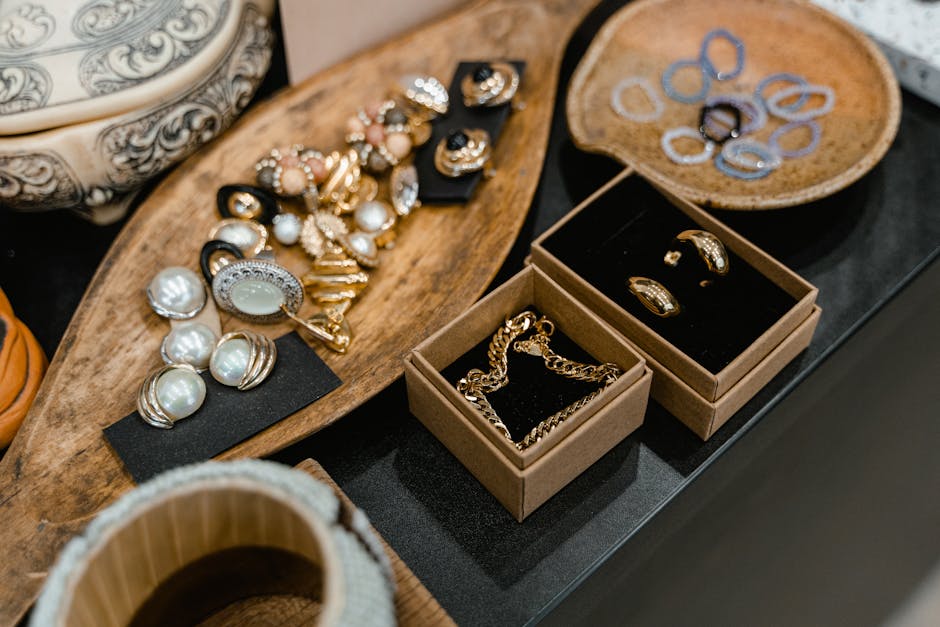
Photo by MART PRODUCTION / Pexels
Understanding Custom Jewelry Purchase Disputes in 2026
Ordering custom-made jewelry is an exciting process, but it comes with unique risks that differ from standard retail purchases. In 2026, consumers have more protection tools available than ever before, yet many don't understand their rights when disputes arise. When a seller refuses to address quality issues and demands full payment despite the product not meeting specifications, knowing how to respond legally and financially is critical.
The scenario of purchasing a custom piece from an international jeweler, paying a substantial deposit, and then receiving a product that doesn't match the order is unfortunately common. What makes this situation particularly challenging is that custom items occupy a gray area in consumer protection law. Unlike standard merchandise, courts and payment processors sometimes struggle to determine whether a product qualifies as "not as described" when it's a one-of-a-kind creation.
The Deposit Trap: Why Non-Refundable Clauses Matter
Many jewelry makers operate with strict non-refundable deposit policies, but this doesn't mean these policies are always enforceable or that you have no recourse. In 2026, consumer protection laws in most jurisdictions require that deposits be handled fairly and that merchants describe products accurately.
The key issue here is whether the seller adequately communicated their terms and conditions before accepting payment. If you weren't shown clear terms stating the deposit was non-refundable before paying the £1,100, you may have legitimate grounds to dispute this claim. Payment processors and credit card companies in 2026 increasingly side with consumers who claim they weren't informed of restrictive policies upfront.
- Always request and review terms and conditions before making any deposit payment
- Document everything in writing, including email exchanges about the design
- Take screenshots of product descriptions and specifications you ordered
- Keep all photos and videos showing the finished product and its defects
- Record communication attempts to resolve the issue amicably
The non-refundable policy becomes much weaker if the product doesn't match what was ordered. A seller can't simply hide behind a no-refund policy when they fail to deliver the specified item.
When to File a Chargeback: 2026 Guidelines and Best Practices
A chargeback is a formal dispute filed through your credit card company or payment processor. In 2026, the chargeback process has evolved significantly, with clearer guidelines about what constitutes valid disputes. Filing a chargeback should typically be your last resort after good-faith attempts to resolve the issue with the seller have failed.
Here's when a chargeback might be justified for a custom jewelry purchase:
- Product not as described: The finished piece significantly differs from what you ordered in design, materials, or quality
- Damage upon receipt: The item arrived with defects that weren't pre-disclosed
- Non-responsive seller: After multiple attempts, the seller refuses to communicate or negotiate
- Failure to deliver: The seller takes payment but never completes or ships the item
Before filing a chargeback, ensure you've documented your dispute timeline carefully. In 2026, payment processors require evidence that you attempted to resolve the matter directly. This includes:
- Email exchanges showing you raised concerns with the seller
- The seller's refusal to negotiate or fix the issues
- Clear photos or videos showing defects and discrepancies from the order
- Original order confirmation showing what you specifically requested
The seller's pressure to close your chargeback case is actually a red flag. Legitimate merchants cooperate with dispute resolution processes. A seller demanding closure suggests they know their position is weak.
International Purchases and Additional Complexity
When dealing with an international seller, additional layers of complexity emerge in 2026. Different countries have varying consumer protection standards, and enforcing refunds across borders is significantly harder. However, this actually strengthens your chargeback position with payment processors.
Credit card companies and digital payment platforms prioritize consumer protection for international transactions precisely because enforcement is difficult on the consumer's end. Your payment processor assumes much of the risk and typically sides with customers in disputed international purchases when documentation is strong.
Consider these factors for international jewelry purchases:
- Currency exchange rates at the time of dispute
- Shipping documentation and tracking information
- Import duties or taxes you may have paid
- Communication language barriers that may have caused misunderstandings
- The seller's response time, considering time zone differences
For international transactions in 2026, platforms like PayPal, Stripe, and major credit card networks have dispute processes specifically designed to protect buyers from the complications of cross-border commerce.
Key Takeaways
- Always obtain and review terms and conditions before paying any deposit for custom work
- Non-refundable policies may not hold if the product doesn't match specifications or arrives damaged
- Document everything: photos, videos, emails, and all communication attempts
- Attempt good-faith resolution with the seller before escalating to chargeback
- A chargeback is a legitimate tool when sellers refuse to address legitimate quality concerns
- International purchases receive extra protection in 2026 due to enforcement challenges
- The seller's pressure to close the chargeback suggests weakness in their position
Steps to Take Now if You're in This Situation
First, respond to the seller's pressure with written documentation of the issues. Keep your tone professional and unemotional. State clearly that the product doesn't match your order in specific ways and that the damage is unacceptable. Request either a full refund or a credit toward a corrected version.
If the seller continues to refuse, file a chargeback with your credit card company or payment processor. Provide all documentation you've collected. Don't be intimidated by the seller's insistence that you close the case. The chargeback process exists precisely for situations like yours.
Consider seeking advice from consumer protection agencies in your country. In the UK, for example, the Citizens Advice Consumer Service can provide guidance on custom purchase disputes. In the US, the Federal Trade Commission offers resources on chargebacks and consumer rights.
Frequently Asked Questions
Can a seller legally enforce a non-refundable deposit on custom jewelry?
In 2026, non-refundable deposits are generally enforceable only if clearly communicated before payment and if the work is completed as specified. If the finished product doesn't match your order or arrives damaged, the non-refundable clause typically becomes unenforceable. Consumer protection laws in most countries require that deposits be returned or credited if the merchant fails to deliver the promised product.
What's the difference between a chargeback and a refund request?
A refund request is handled between you and the merchant. A chargeback is a formal dispute filed through your payment processor or credit card company, which investigates and makes a determination. Chargebacks should be used after direct resolution attempts fail. In 2026, payment processors favor consumers who can show they tried to resolve disputes directly first.
How long do I have to file a chargeback for a custom jewelry purchase?
Most credit card companies and payment processors allow chargebacks within 60-120 days of the transaction, though some extend this to 180 days. However, the exact timeline depends on your card issuer and the processor used. Don't delay—file as soon as you've exhausted direct resolution options. In 2026, faster dispute filing typically results in better outcomes as evidence remains fresh.