How to Cut Grocery Costs in 2026: Real Results from NYC Budget Shopping at Aldi
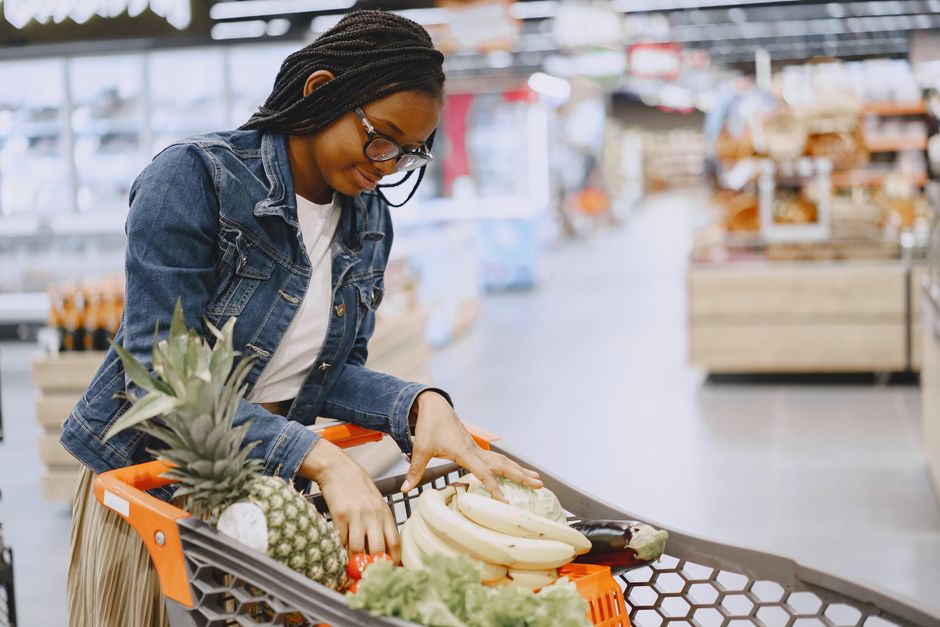
Photo by Gustavo Fring / Pexels
The Real Cost of Groceries in 2026: A NYC Shopping Reality Check
Grocery shopping in 2026 continues to challenge budgets across the country, especially in expensive markets like New York City. One shopper decided to tackle this head-on by taking community advice and testing it in real-world conditions. The results? A complete $48 grocery haul that proves strategic shopping beats dietary restrictions every time.
When this NYC resident first asked the frugal community how to cut food costs, the most common advice was straightforward: eliminate expensive proteins like salmon, avocados, and meats entirely. But a chorus of helpful voices suggested trying discount grocers like Aldi first. That single recommendation changed the entire approach to budget grocery shopping in 2026.
From Expensive Staples to Budget-Friendly Alternatives
The transformation from a typical grocery list to a budget-conscious one didn't require complete lifestyle overhauls. Instead, it relied on smart substitutions that maintain nutrition while slashing costs.
Protein Swaps That Actually Work
The biggest revelation came from rethinking protein choices. Instead of eliminating meat entirely, the shopper made targeted switches:
- Chicken legs with skin replaced boneless, skinless chicken breasts—a choice that saved significant money while actually retaining more flavor and nutrients
- Frozen salmon at $10 for 2 pounds replaced fresh salmon, making this premium protein accessible on a tight budget
- Beef was exchanged for chicken across the board, reducing per-pound costs substantially
These weren't sacrifices—they were strategic upgrades. Chicken thighs and drumsticks with skin contain more collagen and fat, which translates to better taste when cooked properly. Frozen fish maintains nutritional value and often tastes just as fresh as fresh when properly handled.
Produce Intelligence for Budget Shoppers
Even produce choices reflected budget consciousness in 2026. Spinach replaced lettuce as the leafy green of choice—a switch that provides more iron, calcium, and nutrients while often costing less. The elimination of exotic fruits like mangoes wasn't about health; it was about acknowledging seasonal availability and regional pricing realities.
This approach teaches an important lesson: seasonal and local produce will always beat out-of-season exotic fruits in both price and nutritional value. In 2026, savvy shoppers are building meals around what's actually affordable in their region, not what's trending on social media.
Breaking Down the $48 Budget Grocery Strategy
Let's examine how this NYC shopper achieved a complete weekly grocery haul for just $48 at Aldi in 2026.
| Item Category | Budget Choice | Typical Cost Difference |
|---|---|---|
| Protein | Chicken legs, frozen salmon ($10/2lb) | 40-50% savings vs. fresh/boneless |
| Greens | Spinach instead of lettuce | 20-30% savings, more nutrients |
| Staples | Rice, potatoes, bread (bulk) | 60-70% cheaper per serving |
| Fruits | Seasonal only, no exotic options | 50%+ savings |
The key to achieving this budget was shopping at Aldi, which in 2026 remains one of the most affordable grocery chains in America. Their focus on store-brand products and minimal selection meant less decision fatigue and consistently lower prices.
The Power of Frozen Foods in 2026 Budget Shopping
One of the most significant discoveries in this grocery experiment was the viability of frozen proteins. Frozen salmon at $10 for two pounds would have been inconceivable in traditional grocery stores, yet here it was at Aldi, solving a major budget concern.
Frozen foods have undergone a massive quality improvement in recent years. Flash-freezing technology actually preserves nutrients better than the weeks-long journey fresh produce takes from farm to table. For budget shoppers in 2026, frozen options represent:
- Superior cost-per-serving ratios
- Minimal food waste since they last longer
- Maintained nutritional profiles
- Comparable taste to fresh alternatives
- Less time-sensitive meal planning
The psychological hurdle of choosing frozen over fresh remains the biggest barrier for many shoppers. Yet the evidence is clear: frozen seafood, vegetables, and even some fruits offer exceptional value without compromising quality.
Real-World Tips for Replicating This 2026 Budget Success
Location Matters: The Aldi Factor
This shopper had to take a bus to reach the nearest Aldi, which raises an important question: is the transportation cost worth the savings? In this case, absolutely. The $48 total versus typical grocery bills in the $80-120 range made the trip worthwhile. Before adopting this strategy in 2026, calculate whether your local discount grocery store accessibility makes financial sense.
Inventory What You Already Have
The leftover bread, potatoes, and rice from previous purchases formed the foundation of this week's meals. These staples are nutritional workhorses—cheap, filling, and versatile. Building a meal plan around what you already own before shopping prevents waste and stretches budgets further.
Embrace the Substitution Mindset
This entire experiment succeeded because the shopper approached it with flexibility. They didn't eliminate salmon; they switched to frozen. They didn't stop eating meat; they changed cuts and types. This substitution-based approach is far more sustainable than restriction-based dieting for long-term budget management.
Don't Fear Skinned Chicken
Many budget guides recommend skinless chicken breast for health reasons, but chicken thighs and drumsticks with skin offer better flavor, cooking flexibility, and significantly lower costs. When roasted, braised, or slow-cooked with slow cookers, they become restaurant-quality meals at grocery-store prices.
Key Takeaways for 2026 Budget Grocery Shopping
- Shopping at discount grocers like Aldi can cut food costs by 40-50% without requiring dietary sacrifice
- Frozen proteins like salmon and vegetables maintain quality while offering superior cost-per-serving ratios
- Strategic substitutions (bone-in chicken for boneless, spinach for lettuce) deliver greater savings than complete elimination
- Building meals around existing pantry staples prevents waste and stretches budgets further
- Seasonal and regional produce choices beat out-of-season exotic fruits in both price and nutrition
- A $48 weekly grocery budget in 2026 is achievable with planning, even in expensive markets like NYC
Frequently Asked Questions About 2026 Budget Grocery Shopping
Will frozen salmon really taste the same as fresh?
Flash-frozen salmon maintains its texture and nutritional value excellently. The main difference is that some people perceive a slight difference in mouthfeel, but when prepared with proper seasoning and cooking techniques, most people cannot detect a meaningful taste difference. At $10 per two pounds, any minor taste variance is negligible compared to the cost savings.
How much time does shopping at distant discount stores actually save in your budget?
This depends on your bus fare and shopping frequency. If this NYC shopper spends $40-70 less per shopping trip and makes trips monthly, they save $480-840 annually. Spending $5-10 on transportation makes clear financial sense. Calculate your own savings threshold before committing.
Can you actually eat well on a $48 per week grocery budget in 2026?
Yes, absolutely. The key is focusing on calorie-dense staples (rice, potatoes, bread), affordable proteins (chicken, frozen fish), and seasonal vegetables. This shopper proved it's possible in NYC, one of America's most expensive markets. In less expensive regions, the $48 budget becomes even more flexible.