How to Cut Grocery Costs in 2026: NYC Budget Food Shopping Guide
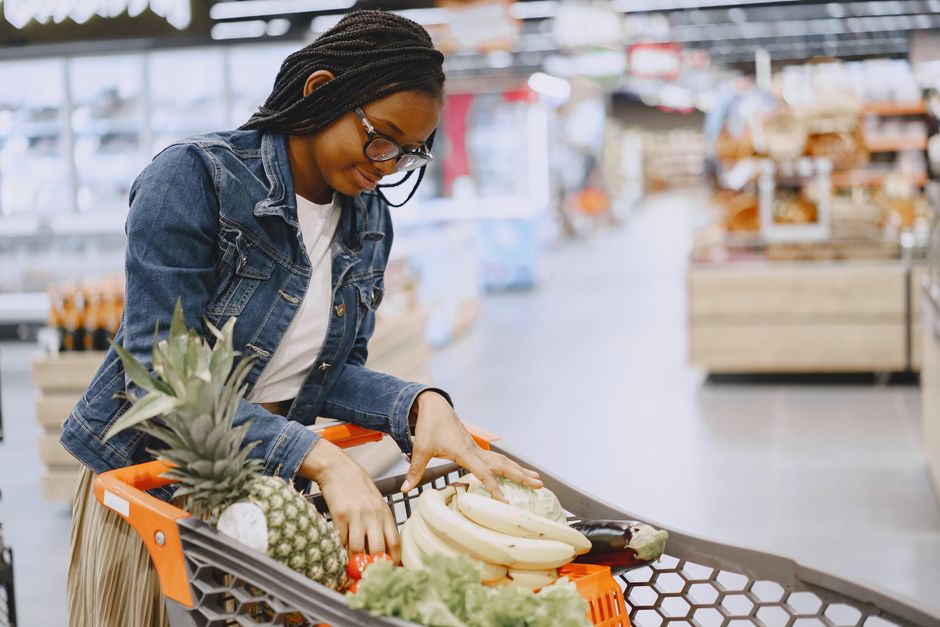
Photo by Gustavo Fring / Pexels
Understanding Your Grocery Budget in 2026
If you're spending around $100 per week on groceries and stretching a $500 monthly food budget, you're not alone. Many people living in high-cost areas like New York City face similar challenges. The key to reducing your grocery expenses isn't about eating less—it's about shopping smarter and making strategic changes to where and how you buy your food.
In 2026, grocery inflation continues to affect household budgets, especially in urban centers. For someone living on a tight budget like yourself, even small changes can add up to significant monthly savings. Whether you're shopping at Food Bazaar near Grand Concourse in the Bronx or considering alternatives, there are proven strategies to cut your food costs while maintaining nutrition.
Why Food Bazaar Might Not Be Your Most Affordable Option
Food Bazaar is conveniently located near you, which is valuable for time and transportation costs. However, proximity isn't always the best indicator of price competitiveness. In 2026, many grocery stores in the Bronx have different pricing strategies, and some are genuinely more affordable than others.
The reality is that convenience stores and smaller grocery chains often have higher markups on staple items like rice, oil, and other basics. Before writing off Food Bazaar entirely, compare specific prices for your most-purchased items. Look at the unit price (price per pound or ounce), not just the shelf price. Many shoppers are surprised to find that bulk options at other stores offer better value.
Transportation Trade-offs to Consider
Since you live alone and are budget-conscious, factor in transportation costs when comparing grocery stores. If a store that saves you $20 requires a $5 subway ride, the net savings is $15. However, if you're already traveling to an area, combining shopping with other errands makes the trip worthwhile.
2026 Strategies to Lower Your Grocery Costs
Shop at Multiple Stores Strategically
Instead of a weekly $100 pantry refill at one store, consider splitting your shopping between two or three locations:
- Discount chains: Check if there's an Aldi, Lidl, or local discount grocer near you. These typically undercut traditional supermarkets by 10-20% on comparable items.
- Ethnic grocery stores: The Bronx has many specialized ethnic markets that offer exceptional prices on staples, rice, beans, and oils—especially if you buy the brands commonly used in those communities.
- Wholesale clubs: A warehouse club membership (Costco, Sam's Club) has an upfront cost but pays for itself if you buy in bulk. Calculate the break-even point for your staples.
Buy in Bulk—But Only What You'll Use
Bulk buying is only economical if you actually use the product before it expires. For non-perishables like rice, dried beans, oil, and pasta, buying larger quantities makes sense. However, fresh produce and perishables are different stories.
Consider investing in proper food storage containers to extend the life of bulk purchases and prevent waste. Proper storage can reduce spoilage by 30-50%, effectively lowering your per-item costs.
Focus on Budget-Friendly Staples
Building your meals around the cheapest, most nutritious foods is the foundation of budget grocery shopping. These cost-effective staples should form the backbone of your weekly shopping:
- Rice and dried grains (bulk prices)
- Dried beans and lentils
- Eggs (cheapest protein)
- Seasonal vegetables
- Canned tomatoes and tomato paste
- Frozen vegetables
- Oats and other bulk cereals
- Peanut butter
Use Digital Coupons and Store Apps
In 2026, digital couponing has become easier than ever. Most major grocery chains offer free apps with digital coupons. Download apps for the stores you're considering:
- Check if Food Bazaar has a loyalty app with digital deals
- Search for local store apps in the Bronx
- Use aggregator apps that compile coupons across retailers
Digital coupons are often better than paper versions because they're automatically applied to your account—no clipping required.
Time Your Shopping for Better Prices
Shopping patterns and timing matter. End-of-week and end-of-month sales often feature better deals. Additionally, buying seasonal produce (not just cheaper, but more flavorful and nutritious) helps stretch your budget further.
Reducing Other Expenses Alongside Food Costs
You mentioned struggling with a $50 electricity bill and a $50 phone bill. While these are outside your grocery budget, they're part of your overall monthly costs. Addressing all three can significantly improve your financial situation.
Electricity Cost Reduction
$50 monthly is reasonable for New York, but optimization is possible. Consider using smart power strips to eliminate phantom power draw, switching to LED bulbs, and being mindful of appliance usage during peak hours.
Phone Bill Reduction
A $50 phone bill is on the higher end. In 2026, options like prepaid plans, MVNO carriers (using major network infrastructure at lower costs), or regional carriers often provide better value. Research competitors—you might cut this in half.
Realistic Savings Projections for 2026
Let's look at what's actually achievable. If you implement several strategies simultaneously:
| Strategy | Potential Monthly Savings | Implementation Difficulty |
|---|---|---|
| Shop at discount stores instead of Food Bazaar | $20-40 | Low |
| Buy bulk staples quarterly | $30-50 | Medium |
| Use digital coupons consistently | $10-20 | Low |
| Reduce food waste through better storage | $15-30 | Low |
| Switch phone plan to MVNO | $15-25 | Medium |
Combined, these strategies could realistically reduce your monthly budget by $90-165, bringing your total food budget from $500 to $335-410. That's a meaningful reduction without sacrificing nutrition or quality of life.
Key Takeaways
- Your grocery spending isn't inherently excessive—it's about optimizing where and how you shop
- Food Bazaar's convenience may come at a premium; compare prices with discount retailers and ethnic markets
- Buying in bulk only saves money if you consume items before expiration
- Digital coupons and store loyalty programs can add up to $10-20 in monthly savings
- Addressing your phone bill ($50) alongside grocery costs could free up additional monthly cash
- Reducing food waste through proper storage is one of the easiest ways to lower effective food costs
Frequently Asked Questions
Is it worth getting a warehouse club membership for a single person?
It depends on your spending patterns. A Costco membership costs about $60 annually. If you spend $30+ monthly on bulk staples, the membership pays for itself. For a single person in 2026, it's worth it mainly if you're buying large quantities of non-perishables like rice, oil, beans, and canned goods that you know you'll use.
What's the best way to prevent food waste on a budget?
Food waste directly undermines budget shopping. Invest in clear storage containers so you see what you have, plan meals around items nearing expiration, and learn to cook with scraps (vegetable scraps make broth, wilting produce works in soups). Proper storage extends produce life by 3-5 days on average.
Are ethnic markets in the Bronx really cheaper than Food Bazaar?
Often yes, especially for staples like rice, beans, oils, and spices. These markets buy in high volume for specific communities and pass savings along. You may need to visit unfamiliar stores, but the savings justify the exploration. Start by visiting markets near you and comparing prices on your top 5 most-purchased items.