Direct-to-Consumer Lab Testing in 2026: How to Save $200+ on Routine Bloodwork
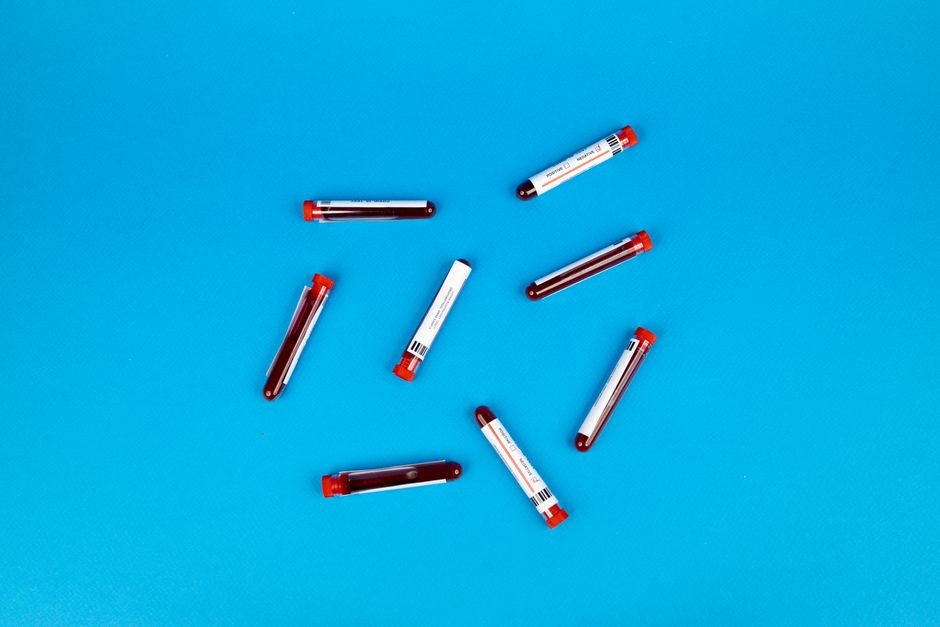
Photo by Maksim Goncharenok / Pexels
The Bloodwork Pricing Problem Nobody Talks About
Here's something that frustrates millions of Americans every single year: you go to your annual physical, your doctor orders routine bloodwork, and suddenly you're staring at a bill for $300 or more. Even worse? Your insurance might only cover part of it, claiming certain tests are "diagnostic" rather than "preventive" and therefore don't count toward your benefits. This insurance coding nightmare can turn a standard health checkup into an unexpected financial headache.
But there's a solution that most people don't know exists. In 2026, you have the power to order your own bloodwork directly from consumer lab services, walk into the same testing facilities your doctor would use, and pay a fraction of the traditional price. We're talking about saving $200, $300, or even more on identical tests at the exact same locations.
How Direct-to-Consumer Lab Testing Works
Direct-to-consumer lab services are companies that let you order bloodwork without a doctor's referral. You browse their website, select the panel you want, pay online, and then visit a local testing center to have your blood drawn. Your results come back through an app or online portal within a week, usually faster than traditional doctor-ordered labs.
The process is incredibly straightforward. Most services partner with established lab networks like Quest Diagnostics and LabCorp, so you're literally walking into the same facilities and using the same equipment your doctor would send you to anyway. The only difference is who's paying the bill and how the lab codes the service.
When you order through a traditional doctor's office, the lab charges an inflated price and your insurance gets involved with all its coding rules and deductible games. When you order directly as a consumer, you're bypassing the healthcare middleman entirely and getting a wholesale price. The lab still makes money, and you save hundreds.
Real Pricing Comparison: 2026 Edition
Let's look at actual numbers. A basic comprehensive metabolic panel and complete blood count through your doctor might run $300-400 after insurance negotiations. The same exact panel through a direct-to-consumer service? Usually $40-80.
More comprehensive panels with additional testing run $100-200 through these services, compared to $400-600 through traditional channels. Even if you're paying out of pocket, you're looking at roughly 70-80% savings. And here's the kicker: most of these services accept HSA and FSA funds, so you can use pre-tax healthcare dollars.
| Test Type | Traditional Doctor Order | Direct-to-Consumer | Savings |
|---|---|---|---|
| Basic Metabolic Panel | $250-350 | $30-50 | $200-300 |
| Complete Blood Count | $200-300 | $25-40 | $160-275 |
| Lipid Panel | $150-250 | $20-35 | $115-230 |
| Comprehensive Panel (all three) | $400-600 | $75-150 | $250-525 |
| Thyroid Panel | $200-350 | $40-75 | $125-310 |
Best Direct-to-Consumer Lab Services in 2026
Quest Health
Quest Health is one of the largest options, backed by Quest Diagnostics' nationwide network. They offer hundreds of different test panels, from basic wellness checks to specialized screening. Their interface is user-friendly, results are quick, and you can find testing locations virtually anywhere.
LabCorp OnDemand
LabCorp OnDemand brings the same convenience from another major lab giant. If you prefer LabCorp's services or have better access to their locations, this is your direct-to-consumer option. Pricing is competitive with Quest Health.
Discounted Labs
Discounted Labs partners with multiple lab networks and often has some of the lowest prices on the market. They're worth comparing if you're price-sensitive. Their selection is massive and they frequently run promotions.
Ulta Lab Tests
Ulta Lab Tests offers both LabCorp and Quest locations depending on your area, giving you flexibility. They have clear pricing and a straightforward ordering process.
Walk-in Lab
Walk-in Lab focuses on simplicity. The name says it all—you order online, walk into a lab location, get tested, and get results. No appointments needed in most cases.
GoodLabs
GoodLabs is a newer entrant that's gaining traction by focusing on transparency and fair pricing. They're worth checking if you want to support newer competitors in this space.
Important Considerations Before Ordering
While direct-to-consumer lab testing is legitimate and legal, there are a few things to understand before diving in.
First, these services aren't replacements for medical consultation. You're getting test results, but you're not getting a doctor's interpretation. If you want professional analysis, you'll need to share your results with your actual physician. Many people do this and get the best of both worlds: cheap testing plus professional medical guidance.
Second, while these services are HSA and FSA eligible, you'll want to confirm with your specific account provider. Most accept them, but it's worth verifying before ordering.
Third, direct-to-consumer tests aren't always covered by insurance, so you won't be able to submit claims. However, you're paying so little that it usually doesn't matter. The out-of-pocket cost is less than your insurance deductible anyway.
Fourth, if you have specific health concerns or symptoms, your doctor might order different tests than what's available through consumer services. These are best for routine annual checkups and general wellness screening, not for diagnostic work following symptoms.
Key Takeaways
- Direct-to-consumer lab services let you order bloodwork without a doctor's referral and save $200-500 compared to traditional healthcare billing
- You use the same Quest Diagnostics and LabCorp locations your doctor would send you to—the only difference is pricing
- Basic panels start around $30-80, comprehensive panels run $75-200, and most services accept HSA/FSA funds
- Top services include Quest Health, LabCorp OnDemand, Discounted Labs, Walk-in Lab, Ulta Lab Tests, and GoodLabs
- Share results with your doctor for professional interpretation—these tests are best for routine annual checkups, not diagnostic work
- You'll need to track receipts yourself since most insurance won't cover direct-to-consumer orders, but the savings usually exceed your deductible
Frequently Asked Questions
Are direct-to-consumer lab tests accurate?
Yes, completely. You're getting tested at the same labs (Quest Diagnostics, LabCorp, etc.) using the same equipment and procedures as doctor-ordered tests. The accuracy is identical. The only difference is who ordered the test and how it was billed.
Can I use my insurance to cover direct-to-consumer lab tests?
Usually not. Most insurance plans require that tests be ordered by a physician to qualify for coverage. However, the out-of-pocket price is typically so low ($72 instead of $300) that it's cheaper to pay directly than to meet your deductible through insurance. You can submit receipts to your flexible spending account if you have one.
Do I need a doctor's prescription to order bloodwork?
No, that's the entire point of direct-to-consumer services. You order directly online without any doctor involvement. However, if you want your doctor to interpret the results or if you have concerns that need medical attention, you should definitely share your results with your physician.