DIY YouTube Videos vs. Reality: Why Home Projects Are Harder Than They Look in 2026
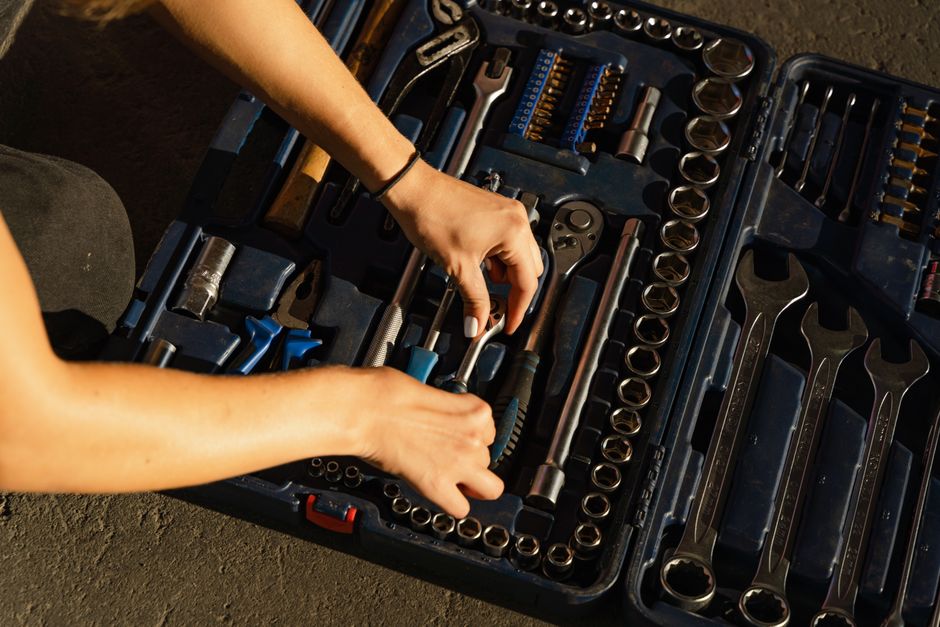
Photo by Anastasia Shuraeva / Pexels
The YouTube Effect: Why DIY Videos Make Everything Look Simple
If you've ever watched a home improvement video on YouTube and thought "I can totally do that," you're not alone. Millions of homeowners in 2026 are discovering that what looks like a 10-minute project on screen can easily turn into a weekend-long nightmare once you actually start.
The problem isn't that the videos are misleading on purpose. It's that they're heavily edited, professionally lit, and performed by people who've spent years—sometimes decades—mastering their craft. A 15-minute video showing someone install a backsplash might represent 3 hours of actual work, with all the mistakes, do-overs, and head-scratching moments left on the cutting room floor.
What looks effortless on your screen requires experience, specialized tools, and problem-solving skills that only come with time. The YouTuber isn't showing you the three times they had to cut the tile differently, or how they figured out the grout consistency after two failed batches.
The Hidden Costs: Tools, Equipment, and Expertise
One of the biggest shocks homeowners face is the cost of tools. That contractor in the video? They've probably invested $20,000 or more in professional-grade equipment over their career. A single quality cordless drill, laser level, or impact driver can run $100-$300 each.
Beyond the initial investment, there's the learning curve. You might buy a tile saw for your one bathroom project, only to realize you need more practice to use it safely and effectively. Professional contractors have spent hundreds of hours perfecting their techniques.
Then there's the issue of problem-solving. What happens when your walls aren't actually square? What if your pipes are in a different location than expected? Professional contractors encounter these issues constantly and know how to adapt. First-timers often find themselves stuck or making costly mistakes.
Essential Tools vs. Nice-to-Have Tools
Not every tool you see in a YouTube video is necessary for your project. Some are time-savers that professionals use to work faster, not necessarily to work better. Understanding the difference can save you hundreds of dollars.
- Essential: Basic hand tools, level, measuring tape, safety equipment
- Essential: Drill-driver, circular saw (for most projects)
- Nice-to-have: Laser measures, impact drivers, pneumatic tools
- Professional-only: Specialty equipment for specific trades
What YouTube Doesn't Show You
Video editing is magic, but not in a good way when it comes to setting expectations. Here's what typically doesn't make it into the final cut:
- Failed attempts – Most DIYers make mistakes the first time
- **Cleanup time** – Expect 20-30% of your project time to go toward cleanup
- Problem-solving – Real projects rarely go exactly according to plan
- **Wait times** – Caulk curing, paint drying, adhesive setting
- Measuring and re-measuring – Professionals measure multiple times to get it right
- **Safety procedures** – Most YouTubers gloss over proper safety protocols
- Code compliance – Electrical, plumbing, and structural work often requires permits and inspections
A contractor might spend 2 hours measuring and planning before making the first cut. That doesn't make exciting content, so it ends up on the cutting room floor. But that preparation is what separates a professional-looking result from a DIY disaster.
The Experience Factor: Why Years Matter
When someone has been doing home improvement for 15+ years, they've developed an intuition that's nearly impossible to replicate quickly. They can look at a wall and know if it's plumb without a level. They can feel when drywall compound is the right consistency. They know how materials will behave in different conditions.
This expertise compounds over time. A professional knows which joint compound works best for different applications, how to texture walls properly, and how to match existing finishes. A first-timer might buy the wrong materials or apply them incorrectly, leading to wasted money and redoing the work.
Experience also means knowing when to call a professional. Seasoned DIYers understand the limits of their skills and know which projects are genuinely DIY-friendly versus which ones require a licensed contractor. YouTube doesn't teach you that judgment.
Setting Realistic Expectations in 2026
If you're planning a DIY project this year, here's how to approach it realistically:
Start Small and Build Skills
Your first project shouldn't be a complete kitchen renovation. Paint a room. Install some shelving. Replace cabinet hardware. These teach you fundamental skills without catastrophic consequences if something goes wrong.
Budget for Tools and Time
If a YouTube video shows a project taking 3 hours, plan for 6-8 hours. If it requires one tool, budget to buy or rent at least two. You'll almost always need accessories or specialized equipment you didn't anticipate.
Research Beyond One Video
Watch multiple videos on the same project. Read forum discussions. Check home improvement websites. You'll get a much more realistic picture of what's involved, including common pitfalls and solutions.
Know When to Hire a Professional
Electrical work, plumbing, structural changes, and HVAC work typically require licensed professionals in most areas. Not only is this a legal requirement, but it ensures the work is done safely and up to code. YouTube expertise doesn't replace professional training and licensure.
Comparison: DIY vs. Professional Installation
| Factor | DIY Project | Professional Service |
|---|---|---|
| Time Investment | 3-5x longer than video suggests | Efficient, predictable timeline |
| Tool Costs | $200-$1000+ initial investment | Included in service cost |
| Learning Curve | Steep; mistakes are common | N/A; expertise guaranteed |
| Quality Assurance | Depends entirely on skill level | Professional standards + warranty |
| Code Compliance | May not meet building codes | Meets all applicable codes |
| Total Cost | Materials + tools + redos | Labor + materials (higher upfront) |
Key Takeaways
- YouTube videos are heavily edited and don't show the real time and effort involved in home projects
- Professional contractors have invested thousands in tools and tens of thousands of hours in experience
- Most DIY projects take significantly longer than videos suggest, especially for first-timers
- Budget for 3-5x the time shown in videos and expect to buy additional tools
- Some projects (electrical, plumbing, structural) require licensed professionals for safety and code compliance
- Start with smaller projects to build skills before tackling major renovations
- Realistic expectations and proper planning prevent costly mistakes and frustration
Frequently Asked Questions
How do I know if a project is actually DIY-friendly?
A good rule of thumb: if it doesn't involve electrical systems, plumbing, structural changes, or gas lines, and if YouTube shows multiple successful videos by people with varying skill levels, it's probably DIY-friendly. But even then, start by researching failure rates and common problems in forums before committing.
Should I buy expensive tools for a one-time project?
Usually not. Consider renting from a local tool rental shop instead. You'll save money and storage space. Only buy tools you'll use regularly on multiple projects. That specialty tool you need once? Rent it.
What's the most common DIY mistake?
Inadequate planning and measurement. Most problems stem from rushing the prep work. Pros spend 30-40% of their time on planning, measuring, and setup. DIYers often skip this and jump straight to the "fun" part, which leads to mistakes. Take time to measure twice, plan carefully, and prepare your workspace properly.