Draft Coming Through Shower Drain in 2026: Causes, Solutions & Prevention
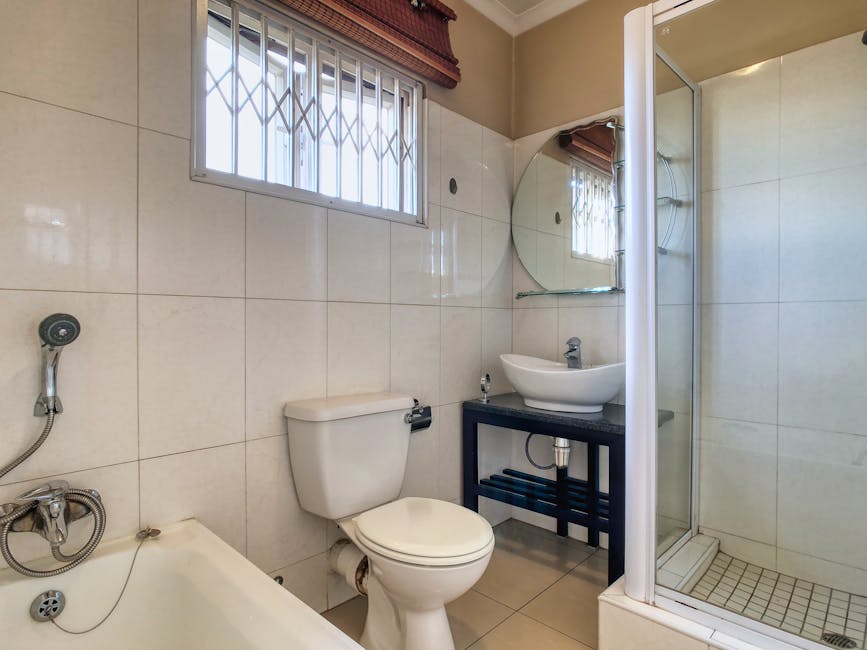
Photo by Alexander F Ungerer / Pexels
Understanding the Shower Drain Draft Problem
If you've noticed wind or a mysterious draft coming up through your shower drain, you're not alone. This strange phenomenon happens more often than most homeowners realize, and it's typically caused by your plumbing system's connection to the outside world. Your shower drain doesn't just disappear into thin air—it's part of an extensive network of pipes that eventually leads outside your home. When conditions are right, air can travel backward through these pipes and emerge right where you're trying to relax.
The reason this feels so odd is that we don't typically think of our drains as airways. But the reality is that your plumbing vent system, which allows air to move through your pipes for proper drainage, can also allow air to come back inside under certain conditions. In 2026, with older homes and changing weather patterns, this issue is becoming increasingly common.
What Causes Wind to Come Up Through Your Shower Drain?
There are several specific reasons why you might experience this unwelcome draft:
Negative Air Pressure in Your Home
When your home has negative air pressure, it creates a vacuum effect that can pull air backward through your plumbing system. This often happens when your HVAC system is pulling air out of your home faster than fresh air can enter. Bathroom exhaust fans are particularly notorious for creating this effect, especially if they're not properly balanced with makeup air sources.
Blocked or Improperly Installed Vent Stack
Your shower drain connects to a larger vertical pipe called a vent stack that exits through your roof. If this vent is blocked by debris, leaves, bird nests, or ice, air pressure becomes unbalanced. Instead of venting upward, air gets pushed downward and can emerge through your drain. This is especially common in late fall and winter when debris accumulates on roof penetrations.
Damaged or Missing P-Trap Seal
The U-shaped pipe beneath your drain, called the P-trap, holds standing water that acts as a seal against sewer gases and outside air. If this trap dries out or the seal is compromised, air can easily flow back up through the drain. Daily use typically keeps this water in place, but extended periods without use or a damaged trap can cause problems.
Clogged Drain Lines
Partial clogs can create air pockets in your drain line. When water tries to flow past the clog, it creates a siphon effect that can pull air backward through your shower drain, especially if your home has multiple fixtures draining simultaneously.
Roof Vent Issues
The vent cap on your roof might be damaged, installed incorrectly, or designed poorly for your local wind patterns. In 2026, with increasingly extreme weather, improperly rated vent caps can allow wind to funnel directly down into your plumbing system.
How to Diagnose and Fix the Problem
Before you call a professional, try these diagnostic steps:
Visual Inspection
First, check your roof. If you can safely access it, look at your plumbing vent stack exit point. Is the vent cap present? Is it covered with debris? Is it damaged? You can also use your hand (carefully) to feel if air is coming up through your drain—this confirms the problem is real and helps pinpoint the source.
Check for Clogs
Use a drain snake or plumbing auger to check for blockages. Even partial clogs can cause this issue. If you find a clog, clearing it might solve your problem immediately.
Inspect the Vent Cap
The easiest fix is often replacing the roof vent cap. If yours is damaged, rusted, or missing, this is your culprit. A new vent cap costs $20-50 and can be installed in minutes if you're comfortable on a ladder. For wind-driven drafts, consider upgrading to a vent cap specifically designed to reduce wind infiltration.
Check Your P-Trap
Make sure water is sitting in your P-trap. If your shower hasn't been used in a while, run water through it to refill the trap. If the water won't stay in the trap, you likely have a leak or structural problem that requires professional plumbing help.
Assess Negative Air Pressure
If your bathroom exhaust fan is running when you notice the draft, turn it off. If the draft stops, you've found your culprit. The solution might be as simple as installing a makeup air damper or balancing your home's ventilation system with a professional HVAC contractor.
Solutions Comparison Table
| Solution | Cost | Difficulty | Effectiveness |
|---|---|---|---|
| Replace vent cap | $20-100 | Easy | High |
| Clear clogged drain | $50-200 | Medium | High |
| Refill P-trap | $0 | Very Easy | Medium |
| Install makeup air damper | $100-300 | Hard | High |
| Professional plumbing inspection | $150-300 | N/A | Very High |
Prevention Tips for 2026
Once you've fixed the draft, keep it from returning:
- Clean your roof vent cap regularly, especially in fall when leaves accumulate
- Ensure your bathroom exhaust fan has a damper that prevents backflow
- Keep your drain clean by using a drain strainer to catch hair and debris
- Run water through rarely-used drains weekly to maintain P-trap seals
- Have your plumbing system professionally inspected annually
- Upgrade to wind-resistant vent caps if you live in a windy area
- Maintain proper attic ventilation to balance your home's air pressure
When to Call a Professional
While many draft issues are DIY-fixable, you should contact a licensed plumber if:
- The draft persists after replacing the vent cap and checking for clogs
- You suspect P-trap damage or a leak in your drain line
- You're uncomfortable accessing your roof
- You hear gurgling sounds or notice slow drainage alongside the draft
- The issue is caused by negative air pressure (requires HVAC expertise)
Key Takeaways
- Shower drain drafts are caused by vent stack issues, negative air pressure, clogged drains, or damaged P-traps
- The most common culprit in 2026 is a damaged or blocked roof vent cap
- Many fixes are simple and inexpensive—start with visual inspection
- Regular maintenance prevents most draft problems
- Professional help is worth it if basic troubleshooting doesn't work
Frequently Asked Questions
Is a shower drain draft dangerous?
A shower drain draft itself isn't dangerous, but it can indicate a problem with your plumbing venting system. The primary concern is that sewer gases might also be able to enter your home through the same compromise. If you notice any sewer smells alongside the draft, contact a plumber immediately.
Can I fix this myself or do I need a plumber?
Many shower drain draft issues can be fixed yourself by replacing a vent cap or clearing a clog. However, if the problem is related to your home's air pressure system or requires roof work, professional help is safer and more effective. When in doubt, a professional inspection costs less than fixing a problem you've made worse.
Why does my daily shower use help sometimes but not always?
Daily shower use keeps your P-trap filled with water, which helps seal against drafts. However, if your vent stack is blocked or your vent cap is damaged, water in the trap won't solve the problem. The draft issues are separate from the P-trap seal, so both need to be addressed separately.