Can You Drill Through Outlet Boxes in 2026? Electrical Code Guide
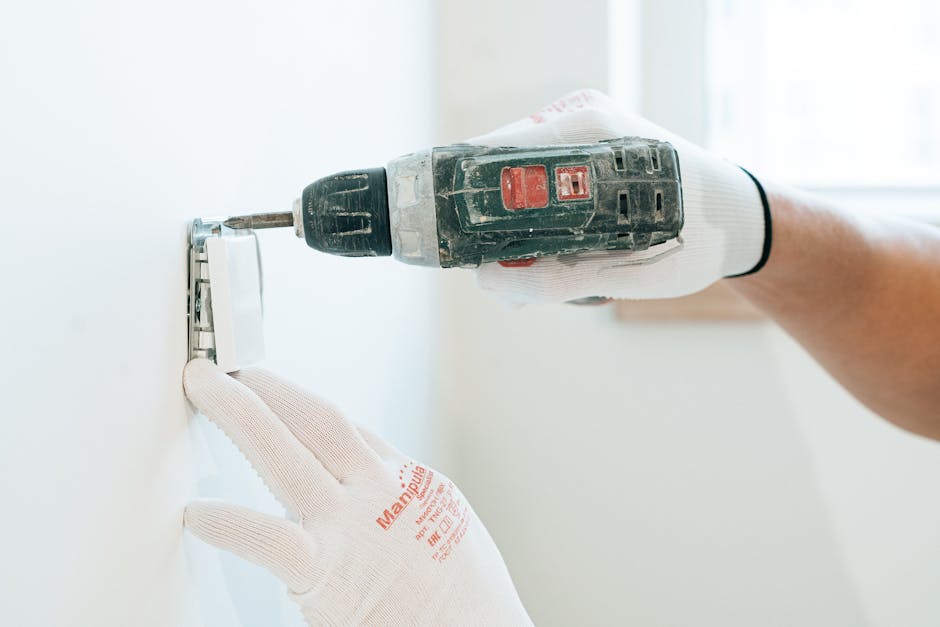
Photo by Antoni Shkraba Studio / Pexels
Understanding Outlet Box Code Requirements in 2026
When you're planning electrical work in your garage or anywhere else in your home, understanding the National Electrical Code (NEC) requirements for outlet boxes is crucial. Many homeowners wonder whether they can modify or drill through outlet boxes to achieve a cleaner aesthetic, but this isn't just about personal preference—it's about safety and legal compliance.
Outlet boxes, also called electrical boxes or junction boxes, serve a critical purpose in your electrical system. They house connections, outlets, and switches while containing any potential electrical fires or faults. The question of whether you can drill through these boxes to surface mount them directly to the wall is more nuanced than a simple yes or no answer.
What Does the 2026 Electrical Code Say?
According to the National Electrical Code (NEC), which is the standard used across the United States and updated every three years, drilling through outlet boxes is generally not permitted. Here's why:
- Outlet boxes must remain intact to contain electrical fires and faults safely
- Drilling creates weak points that compromise structural integrity
- Holes can allow debris, moisture, and pests to enter the box
- Any modification to a box's structure may void its UL listing and certification
The specific NEC article that governs this is Article 314, which covers outlet, device, pull, and junction boxes. The code requires that boxes maintain their original configuration unless the manufacturer specifically approves modifications. Most outlet box manufacturers do not approve drilling through the sides or back of their products.
Safe Mounting Alternatives for Your Garage Electrical Work
Rather than drilling through outlet boxes, electricians recommend several code-compliant alternatives that can give you the aesthetic results you're looking for:
Surface-Mount Boxes with Trim Rings
Modern surface-mount outlet boxes come with trim rings and decorative covers that are far more attractive than older mounting bracket designs. These legitimate accessory boxes mount flat against your wall surface and include the outlet or switch opening built into the design. They're code-compliant and don't require any modification to the box itself.
Low-Profile Surface-Mount Boxes
If you're concerned about the box protruding from the wall, low-profile surface-mount boxes are available that sit much closer to the wall surface. These boxes are specifically designed for surface mounting and eliminate the need for any drilling or modification.
Recessed Box Installation
The most aesthetically pleasing option is to install recessed boxes flush with your wall. This requires cutting into the drywall, but it's the proper way to achieve a completely flush installation. You'll need to use a drywall saw to carefully cut an opening sized to your box specifications, then install the box properly using the manufacturer's approved mounting method.
Wiremold or Raceway Systems
For a modern, industrial look, consider wiremold or electrical raceway systems. These surface-mounted channels run along your walls and allow you to mount outlets and switches at clean, organized locations without drilling through boxes. This is particularly popular in garage and workshop environments.
Comparison of Outlet Mounting Methods
| Mounting Method | Code Compliant | Aesthetic Appeal | Installation Difficulty | Cost |
|---|---|---|---|---|
| Drilling Through Boxes | No | Fair | Easy | Low |
| Surface-Mount with Trim Rings | Yes | Good | Easy | Medium |
| Low-Profile Surface Boxes | Yes | Very Good | Easy | Medium |
| Recessed Flush Installation | Yes | Excellent | Moderate | Medium-High |
| Wiremold/Raceway Systems | Yes | Good | Moderate | Medium-High |
Potential Consequences of Non-Compliant Installation
Beyond the immediate safety concerns, there are several practical reasons why drilling through outlet boxes can cause serious problems:
- Insurance Claims: If an electrical fire occurs and your insurer discovers non-compliant installation, they may deny your claim entirely
- Inspection Failures: Any home inspection or electrical inspection will identify this violation, affecting your ability to sell your home or obtain permits
- Liability Issues: If someone is injured due to a non-compliant electrical installation, you could face legal liability
- Building Code Violations: Local jurisdictions enforce the NEC, and violations can result in fines or requirements to remediate
- Voided Warranties: Any damage resulting from modified boxes may not be covered by manufacturer warranties
Key Takeaways
- Drilling through outlet boxes violates the 2026 National Electrical Code (NEC Article 314) and is not permitted
- Modifying outlet boxes compromises their ability to contain electrical faults and fires safely
- Multiple code-compliant alternatives exist that provide better aesthetics than traditional mounting brackets
- Surface-mount boxes with trim rings and low-profile options offer modern appearances without modification
- Recessed installation and wiremold systems are excellent solutions for homeowners wanting flush or organized electrical mounting
- Non-compliant installations can result in insurance denial, inspection failures, and potential liability issues
- Always consult local building codes and consider hiring a licensed electrician for electrical work
Frequently Asked Questions
Q: What if I'm just doing this in my own garage—do I still need to follow electrical code?
A: Yes, absolutely. The National Electrical Code applies to all electrical installations, including those in garages and workshops, even for your own use. Local building departments often require permits and inspections for electrical work. Additionally, future home inspections, insurance claims, or if you sell your home, the non-compliance becomes a significant issue. It's not worth the risk—use code-compliant methods from the start.
Q: Can I remove the mounting brackets and just drill holes for screws?
A: No, this still violates code requirements. The mounting bracket is part of the approved electrical box assembly. Removing it and drilling your own holes compromises the box's structural integrity and safety rating. Any modification beyond the manufacturer's specifications violates the NEC. The proper approach is to select a different style of box designed for surface mounting or recessed installation.
Q: Are there any boxes approved for drilling through?
A: Not in the traditional sense. However, some manufacturers produce boxes specifically designed for surface mounting that don't require drilling through the box itself. Always check the manufacturer's instructions and labeling. If a modification is approved, the documentation will be included in the box packaging. When in doubt, choose a box designed for your intended mounting method rather than attempting to modify a standard box.