Can Electrical Tape Fix a Cut Power Cord in 2026? What Electricians Say
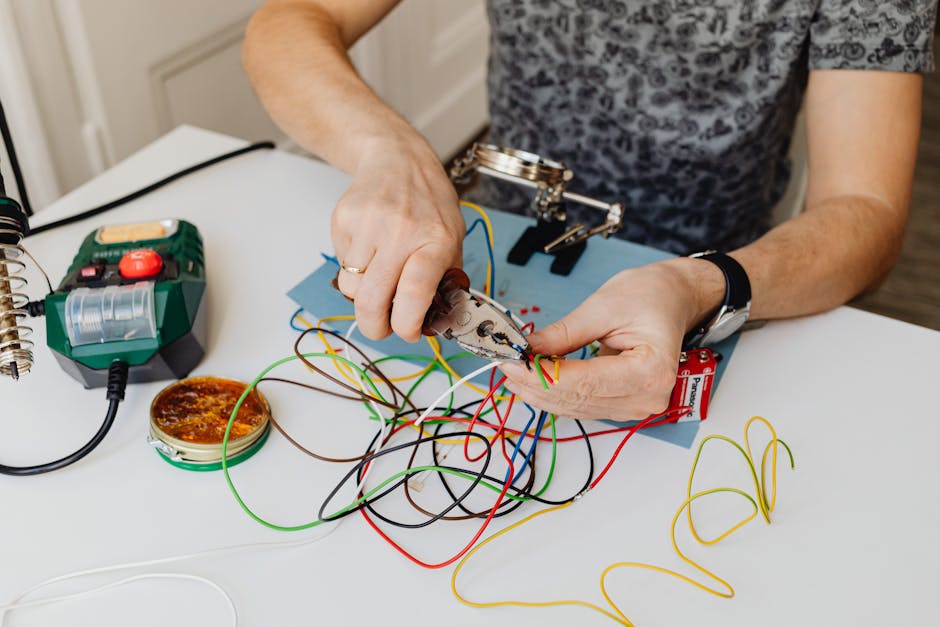
Photo by www.kaboompics.com / Pexels
The Short Answer: No, Electrical Tape Alone Isn't Enough
If you've accidentally cut a live power cord, electrical tape is not a sufficient safety solution. While it might seem like a quick fix, wrapping the exposed wire with tape doesn't address the underlying electrical hazards. A cut power cord creates multiple risks including shock, fire, and damage to your electrical system that tape simply cannot mitigate.
This is one of those situations where cutting corners literally puts your home and family at risk. Let's break down why electrical tape falls short and what you should actually do.
Why Electrical Tape Won't Solve Your Problem
Electrical tape serves a specific purpose: insulating wires that are already properly supported and protected. When you have a cut power cord, you're dealing with several issues that tape cannot address:
- Current leakage – The tape doesn't stop electricity from seeking alternative paths to ground, which could be through your body or flammable materials
- Moisture exposure – Water can seep under tape and create corrosion or short circuits
- Heat buildup – A damaged cord may generate heat that tape can't contain or dissipate
- Mechanical damage – The tape won't prevent the damaged area from being flexed or stressed further
- Code violations – This repair won't pass any electrical inspection and violates building codes
Even professional electricians won't recommend this approach. The National Electrical Code (NEC) and local building codes explicitly prohibit temporary fixes for damaged power cords in active circuits.
What You Should Do Instead
Immediate Steps
First, turn off power to the circuit at your breaker box before doing anything else. Don't attempt to repair a live circuit. Once the power is off, you have a few legitimate options:
Option 1: Replace the Entire Power Cord – This is the safest solution. Most bathroom ventilation fans have replaceable power cords. You can purchase replacement power cords that are designed specifically for your fan model. This typically costs $15-40 and takes 15 minutes to install.
Option 2: Use a Proper Splice Kit – If you absolutely must keep part of the damaged cord, you can use an approved waterproof wire splice kit. However, this still isn't ideal and has limitations. These kits must be properly rated for the amperage and installed in a junction box, not hidden inside walls.
Option 3: Call a Licensed Electrician – If the damage is extensive or if the cord runs through the wall or attic, you need professional help. An electrician can properly assess whether the cord can be safely repaired or if you need to run new wiring. This typically costs $100-300 but ensures your home meets code and your insurance remains valid.
Why Professional Help Matters in 2026
In 2026, electrical codes are more stringent about safety. Insurance companies also closely scrutinize DIY electrical repairs. If a fire occurs and your insurance company discovers you used electrical tape on a damaged power cord, they may deny your claim entirely. Worse, you could face liability issues if someone is injured.
Comparison: Repair Options for Cut Power Cords
| Repair Method | Safety Rating | Cost | Time Required | Code Compliant |
|---|---|---|---|---|
| Electrical Tape Only | ❌ Not Safe | $2-5 | 5 min | ❌ No |
| Waterproof Splice Kit | ⚠️ Conditional | $10-20 | 20 min | ⚠️ With Junction Box |
| Replace Power Cord | ✅ Safe | $15-40 | 15 min | ✅ Yes |
| Professional Electrician | ✅ Safe | $100-300 | 1-2 hours | ✅ Yes |
Real Risks You're Taking with Electrical Tape
Let's be concrete about what can go wrong. Electrical tape is made of vinyl or rubber that degrades over time, especially when exposed to heat or moisture. In your bathroom ventilation fan installation, moisture is a constant factor. Here's what failure looks like:
- Electrical fire – The most serious risk. Current flowing through exposed copper can ignite surrounding insulation or drywall
- Electrocution – Anyone touching the taped area during a shower or when humidity is high could receive a shock
- Arc faults – The tape can't prevent arcing, which creates heat and can ignite materials
- Equipment damage – The taped connection could damage your fan motor or other connected devices
In 2026, most modern homes have Arc Fault Circuit Interrupters (AFCIs) that will detect problems and cut power, but this won't prevent the initial hazard from occurring.
Key Takeaways
- Electrical tape is never a permanent solution for cut power cords
- Always turn off power at the breaker before attempting any electrical work
- The safest option is replacing the entire power cord, costing $15-40
- If the cord is inside walls or attics, hire a licensed electrician
- Insurance may deny claims if they discover DIY tape repairs caused damage
- Building codes in 2026 don't permit temporary tape fixes on active circuits
Frequently Asked Questions
Can I use multiple layers of electrical tape to make it safer?
No. Multiple layers don't increase safety. The underlying problem isn't insulation—it's that the wire is damaged internally, and tape can't repair that damage. Professional-grade repairs require either replacing the cord or using proper splicing techniques in an accessible junction box.
How long will electrical tape last on a cut power cord?
In a bathroom environment with moisture and heat, electrical tape typically degrades within weeks to months. Even in ideal conditions, it's not designed as a permanent solution. Vinyl tape becomes brittle and can crack, especially near heat sources like the ventilation fan motor.
Will my homeowner's insurance cover damage from a tape-repaired power cord?
Most likely not. Insurance companies have clauses requiring electrical work to meet code. If they discover a DIY tape repair caused a fire or damage, they may deny your claim and potentially cancel your policy. Always use code-compliant repairs.