Expansion Tank Placement on Water Heater: Relief Valve Installation Issues in 2026
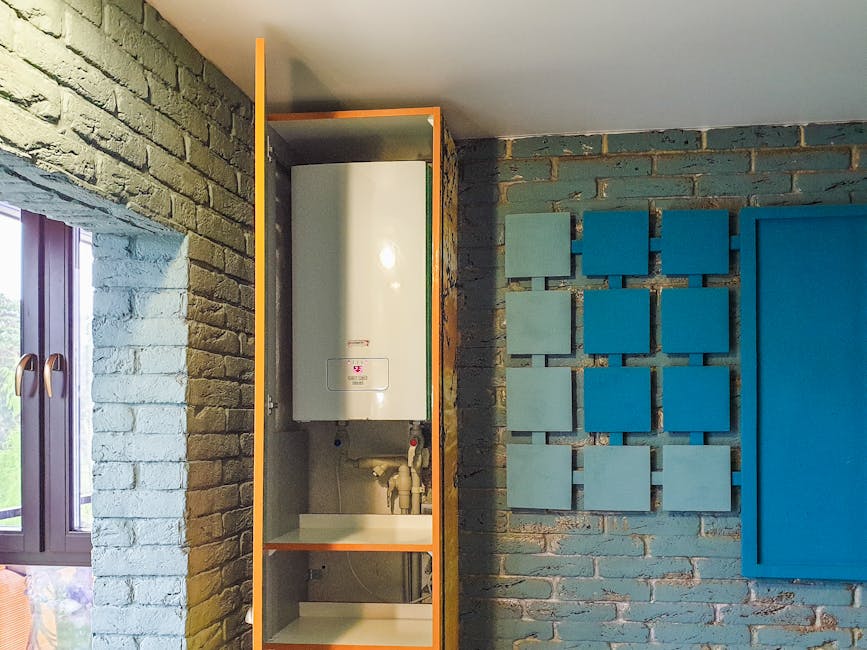
Photo by Алексей Вечерин / Pexels
Understanding Expansion Tank Installation Requirements
When you have a new water heater installed, proper expansion tank placement is crucial for system safety and longevity. A common issue homeowners face is when plumbers take shortcuts with expansion tank installation, claiming it doesn't matter where the tank connects to the system as long as it's installed somewhere. This isn't entirely accurate, and understanding the proper placement can save you from costly repairs down the road.
An expansion tank serves a critical purpose in modern plumbing systems. As water heats, it expands naturally. Without somewhere for that expanded water to go, pressure builds up in your pipes and water heater tank, potentially causing damage. The expansion tank provides a safe space for this excess water, protecting your entire system from overpressurization.
The Cold Water Line vs. Relief Valve Installation
The standard plumbing practice, followed by most building codes in 2026, is to install the expansion tank on the cold water inlet line before it reaches the water heater. This location is ideal because it captures the expansion directly at the source—right where the cold water enters the tank. When water begins heating and expanding, the expansion tank is positioned to immediately absorb that pressure increase.
Installing an expansion tank off the relief valve, as described in that Reddit post, is not the proper method. Here's why this matters:
- The relief valve is designed to open and release water when pressure exceeds safe limits (typically 80 PSI)
- An expansion tank should work proactively, not reactively
- Placing it on the relief valve means it only functions after the relief valve has already activated
- This creates unnecessary wear on the relief valve and doesn't prevent pressure spikes
- It can lead to water waste and mineral buildup issues
Many plumbers claim space constraints prevent them from installing the tank in the correct location. While tight spaces do exist in some installations, there are usually solutions available that don't involve compromising on safety.
Why Proper Placement Matters in 2026
Building codes exist for a reason. In 2026, most jurisdictions follow the International Plumbing Code (IPC) and International Residential Code (IRC), which specify that expansion tanks must be installed on the cold water supply line. This isn't an arbitrary rule—it's based on decades of plumbing science and real-world failure data.
When an expansion tank is incorrectly positioned:
- Pressure relief valves experience premature wear and need replacement more frequently
- Your water heater itself is subjected to unnecessary stress
- Thermal expansion cycles occur without proper pressure mitigation
- You may hear banging or knocking sounds in your pipes (water hammer)
- The system isn't operating at peak efficiency
If your plumber told you "as long as it's on the system it is fine," they were mistaken. The placement of the expansion tank is just as important as having one installed. You're paying for a system that should last 10-15 years; cutting corners now can reduce that lifespan significantly.
Installation Solutions for Space Constraints
If your plumber mentioned space limitations, here are legitimate alternatives that maintain proper system function:
Relocate the expansion tank to the basement or utility room: If the cold water line runs through accessible areas, the expansion tank can be installed there instead of right at the water heater. The critical factor is that it connects to the cold water line before the water reaches the heater.
Use a smaller expansion tank: Modern compact expansion tanks are available in various sizes. If space is truly limited, a smaller capacity tank can still provide adequate protection while fitting in tight spaces.
Install an offset connection: Using appropriate fittings and connectors, the expansion tank can be positioned slightly offset from the main line, saving space while maintaining proper placement on the cold water inlet.
Reconfigure the cold water line: Sometimes minor rerouting of the cold water line can create the space needed for proper expansion tank installation. This might add a small cost but ensures code compliance.
What to Do If Your Tank Is Already Installed Incorrectly
If you've had your water heater replaced and the expansion tank was installed off the relief valve (rather than on the cold water line), you have options:
Request remediation: Contact the plumber who performed the work and explain that the installation doesn't meet current plumbing codes. Many reputable plumbers will correct this issue, especially if you're still within warranty period.
Get a second opinion: Have another licensed plumber inspect the installation. They can provide written documentation of the improper placement, which gives you leverage with the original contractor.
DIY relocation (if qualified): If you're experienced with plumbing, you might relocate the tank yourself using appropriate expansion tank installation kits and fittings. However, if you're unsure, hiring a professional is safer.
Monitor your system: If you're unable to get it corrected immediately, watch for warning signs like frequent relief valve discharge, unusual pipe noises, or pressure fluctuations. These indicate your system is working harder than it should.
Key Takeaways
- Expansion tanks must be installed on the cold water inlet line, not on the relief valve
- Relief valve placement is a code violation in most 2026 jurisdictions
- Space constraints shouldn't prevent proper installation—alternatives exist
- Incorrect placement reduces system lifespan and increases maintenance costs
- If your installation is improper, request correction from your plumber
- Proper expansion tank placement protects both your investment and your plumbing system
Expansion Tank Installation Comparison
| Installation Method | Code Compliant | Effectiveness | Long-term Impact |
|---|---|---|---|
| Cold water inlet line | ✓ Yes | ✓ Excellent | Extends system life |
| Relief valve connection | ✗ No | ✗ Poor | Increases wear and costs |
| Utility room (cold line) | ✓ Yes | ✓ Excellent | Extends system life |
| Offset connection (cold line) | ✓ Yes | ✓ Excellent | Extends system life |
Frequently Asked Questions
Can an expansion tank be installed anywhere on the water heater system?
No. While an expansion tank should be connected to the system, its placement significantly affects performance. The correct location is on the cold water inlet line before water reaches the heater. Installing it elsewhere—especially on the relief valve—reduces its effectiveness and may violate plumbing codes in 2026.
What happens if I ignore improper expansion tank installation?
Ignoring the issue can lead to several problems: your relief valve will work overtime and wear out faster, requiring replacement within a few years instead of lasting the life of the water heater. You'll also experience increased water pressure spikes, potential pipe damage, and the water heater itself may develop leaks or fail prematurely. The cost of repairs will likely exceed the cost of correcting the installation now.
Can I install an expansion tank myself if it's in the wrong location?
If you have plumbing experience and access to proper tools and fittings, you may be able to relocate it. However, this involves draining the system, disconnecting fittings, and ensuring all connections are watertight and properly sealed. For most homeowners, hiring a licensed plumber to fix this issue is the safer and more reliable option. You can purchase quality plumbing tools if you decide to tackle it yourself.