Fair Ride-Share Payment with Coworkers in 2026: A Frugal Guide to Transportation Costs
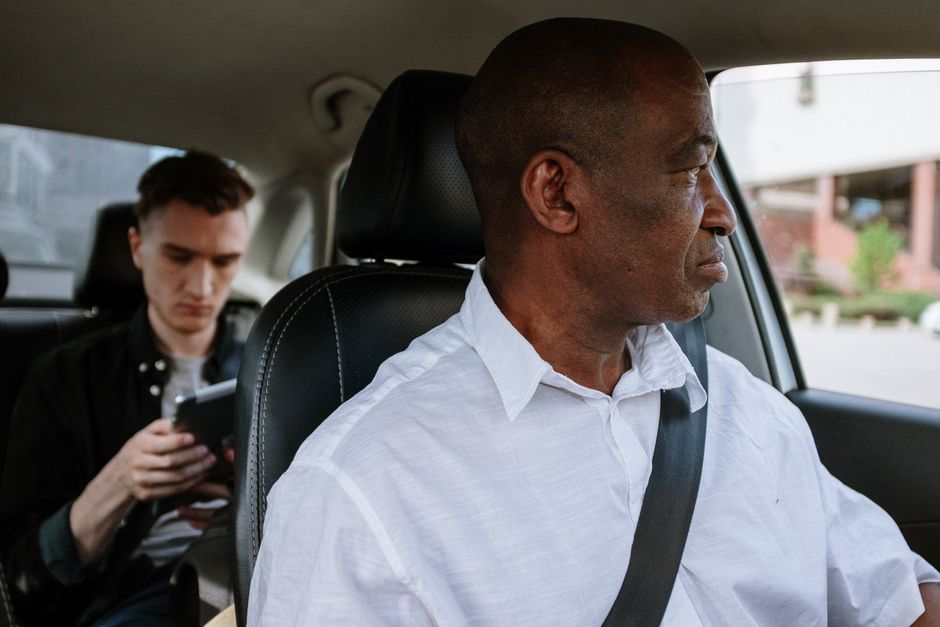
Photo by cottonbro studio / Pexels
Understanding the Real Cost of Rideshare in 2026
When you're living on a tight budget, every dollar matters. The original poster in this scenario is working with just $664 monthly take-home pay, which means transportation decisions can make or break their financial stability. Before we evaluate whether $60 a month is fair for three weekly rides, let's break down what rideshare actually costs in 2026.
Uber and similar services typically charge between $15-$20 per ride depending on your location, demand, and time of day. For someone taking this ride home from work three times a week, that's potentially $180-$240 monthly—or roughly 27-36% of their entire monthly income. When you put it in perspective, accepting help from a compassionate coworker isn't just convenient; it's often the difference between making rent and falling short.
The fact that the coworker lives only 3 minutes away makes this arrangement especially valuable. There's minimal wear and tear, negligible extra fuel consumption, and it's essentially a direct route with no detours. This proximity is crucial when calculating fair compensation.
Calculating Fair Compensation for Carpooling
So is $60 a month ($15 biweekly) fair, and is the plan to bump it to $30 biweekly ($120 monthly) reasonable? Let's do the math.
According to 2026 data, the average cost per mile for vehicle operation is approximately $0.67-$0.75, accounting for gas, maintenance, insurance, and depreciation. For a 3-minute drive (roughly 1-2 miles each way), the actual cost to the coworker per ride is approximately $1.34-$3.00. Over three rides weekly, that's about $16-$36 monthly in genuine vehicle expenses.
However, fair compensation isn't just about covering direct costs. You should also consider:
- Time value – The coworker is dedicating time out of their day
- Wear and tear
- Insurance implications of regular carpooling
- Reliability and dependability
- The genuine help being provided to someone in financial hardship
With these factors in mind, $60 monthly ($15 biweekly) is actually quite reasonable and arguably generous to the coworker. When bumped to $120 monthly ($30 biweekly), you're paying roughly $10 per ride—which is below market rate for rideshare, covers actual expenses, and acknowledges the kindness being extended.
The Original Proposal vs. The Upgrade Plan
| Payment Structure | Monthly Cost | Per Ride | vs. Uber Cost |
| $15 biweekly | $60 | $5 | Save $180-$240/mo |
| $30 biweekly | $120 | $10 | Save $120-$180/mo |
| Uber baseline | $180-$240 | $15-$20 | Baseline cost |
As you can see, even at $120 monthly, you're saving $60-$120 compared to rideshare. The coworker is still providing tremendous value while you're compensating fairly.
Budgeting Transportation on a Tight Income
Living on $664 monthly requires serious financial discipline. Transportation typically shouldn't exceed 15-20% of your budget on a normal income, but when your income is this limited, it's often necessary to bend these rules. Let's look at how the $60-$120 monthly carpooling expense fits into this scenario.
With a $664 monthly income, basic survival expenses likely include:
- Housing: Typically $200-$350 (assuming shared housing)
- Food: $100-$150
- Utilities (split): $30-$50
- Phone: $25-$40
- Transportation: $60-$120 (with carpooling)
- Debt payments: Variable
The carpooling arrangement at $60-$120 monthly represents 9-18% of your income, which is actually within reasonable range given the circumstances. Compare this to the $180-$240 Uber would cost (27-36%), and you can see why this arrangement is so crucial to your financial stability.
To build an emergency fund and improve your situation, consider using some of the money saved from carpooling. A budgeting notebook or tracker can help you visualize where every dollar goes. Even saving $50-$100 monthly from this transportation cost reduction adds up quickly.
Maintaining the Coworker Relationship
Beyond the financial calculation, there's an important relationship component here. Your coworker is doing something genuinely kind, and the way you handle compensation matters for maintaining goodwill.
Here are some best practices:
- Consistency – Pay on schedule, every single time. Set up a recurring payment or reminder so it's never forgotten
- Transparency – If your financial situation changes, communicate openly about whether you need to adjust the amount
- Appreciation – Occasionally express genuine gratitude beyond just handing over money
- Reliability – Be ready when he arrives. Respect his time as much as he respects yours
- Boundaries – Stick to the agreed-upon three rides weekly unless otherwise discussed
The plan to increase from $15 to $30 biweekly starting in June 2026 is actually a great sign of your commitment to fair compensation. It shows you're being thoughtful about the arrangement and willing to contribute more as your debt payments decrease.
When to Reconsider or Renegotiate
This arrangement is clearly working now, but there are circumstances where you might need to have a conversation about adjusting the payment:
- If your financial situation significantly improves (new job, more hours), it would be appropriate to increase payment
- If the coworker changes jobs and the drive is no longer "3 minutes away," costs go up and payment should too
- If gas prices fluctuate dramatically (though in 2026, we've seen relative stability)
- If the frequency changes from three to four or five days weekly
The key is maintaining open communication. The coworker initially offered this for free, which shows genuine kindness. As long as you're paying fairly and consistently, you're honoring that kindness while protecting your own finances.
Key Takeaways
- $60 monthly ($15 biweekly) is fair and generous to your coworker for three short rides weekly
- The planned increase to $120 monthly ($30 biweekly) is reasonable and still saves you $60-$120 compared to rideshare
- Transportation at 9-18% of your $664 income is acceptable given the circumstances
- Consistent payment, clear communication, and genuine appreciation maintain the relationship
- The savings from carpooling should ideally be redirected toward debt payoff and emergency savings
Frequently Asked Questions
Q: Should I feel obligated to pay if my coworker offered for free?
A: Absolutely not. However, offering fair compensation—especially when someone is struggling financially—is a sign of respect and integrity. Your coworker clearly wants to help, and accepting fair payment is actually less uncomfortable than free help for most people. The $60-$120 monthly validates their generosity without taking advantage.
Q: What if I can't afford $120 monthly starting in June?
A: Communicate honestly with your coworker. The original $60 is already fair. If your debt payoff extends longer than expected, it's perfectly acceptable to maintain $60 monthly. Your coworker offered this help knowing your situation; he'll understand financial reality.
Q: Should I get gas cards or offer additional payment?
A: For a 3-minute drive, cash payment is cleaner and simpler. Occasionally offering a coffee or lunch is a nice gesture if you want to show extra appreciation, but it's not necessary. Cash payment is professional and straightforward.
Q: What if I get a second job and no longer need rides?
A: Communicate this positively. Thank your coworker, explain your improved situation, and perhaps offer to buy him lunch or coffee as a parting gesture. End on good terms—you never know when you might need his help again, or want to refer him to someone else in need.