Is Using Food Banks to Free Up Budget Money Ethical? A 2026 Poverty Finance Guide
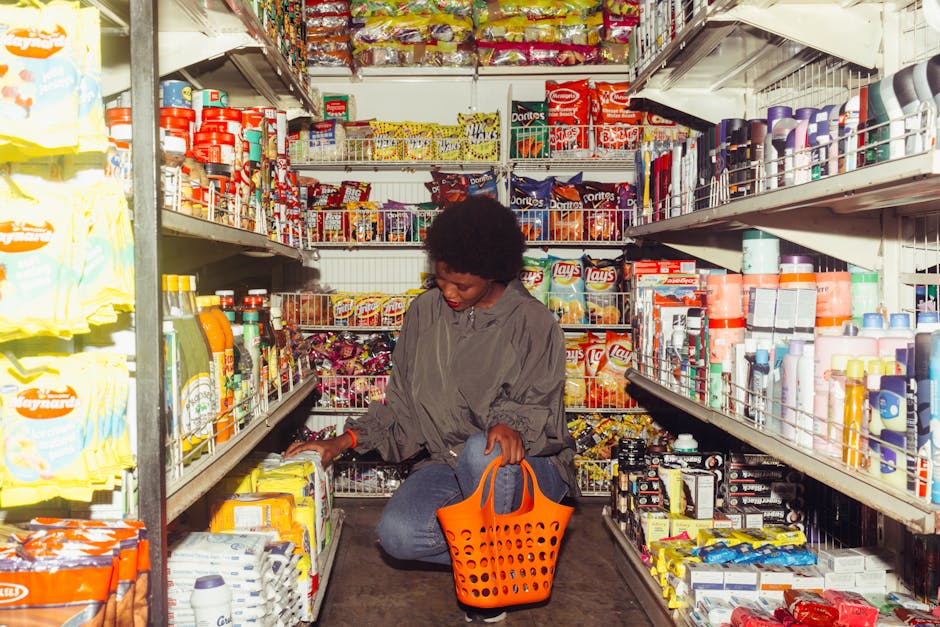
Photo by RF._.studio _ / Pexels
Understanding Food Bank Assistance in 2026
Food insecurity remains a significant challenge for millions of Americans in 2026, and food banks exist specifically to help people bridge the gap between their income and their basic needs. If you're asking whether it's morally wrong to use food bank assistance strategically, the short answer is: no, it's not wrong. Food banks are a community resource designed for exactly this purpose—to help people meet their basic needs when money is tight.
The reality of living on a fixed income, whether from disability, part-time work, or other limited sources, means making impossible choices. You might have to choose between buying groceries or replacing shoes that are falling apart. This isn't a personal failing; it's a systemic reality that food banks were created to address.
The Difference Between Need and Guilt
Many people in poverty experience what financial counselors call "assistance guilt." You might feel like you're somehow cheating the system or taking resources from someone who needs them more. But consider this: if you meet the income requirements (which you do, as you mentioned being on disability), then you qualify for this assistance. Full stop.
Food banks exist because society recognizes that food is a basic human need. By using food bank resources for groceries, you're not being dishonest—you're using the program exactly as intended. This frees up your limited budget for other basic necessities like clothing, shoes, and household items that you genuinely need.
The person in the Reddit discussion had shoes that were wearing out and clothing with holes in them. These aren't luxuries—they're necessities. Walking shoes are essential for exercise and daily functioning. Clothing protects you from the elements. These items deserve to be prioritized in your budget just as much as food does.
Prioritizing Necessities Beyond Food
Budget experts in 2026 increasingly recognize that food is just one category of basic needs. When your income barely covers rent, utilities, prescriptions, and food, other essentials get neglected. This creates a difficult situation where you might:
- Wear shoes until they damage your feet or joints
- Wear clothing so worn it affects your dignity and social functioning
- Go without basic household items that improve your quality of life
- Skip necessary medical supplies or health-related items
- Postpone replacement of worn-out essentials
Using food bank assistance strategically allows you to allocate your limited cash resources to these other critical needs. You might use food bank groceries to free up $100-150 per month that can be directed toward replacing essential clothing, purchasing quality work or walking shoes, or buying items like replacement towels.
What the Food Bank Is Designed For
Food banks aren't meant to be a temporary band-aid; they're part of the larger safety net for people with limited incomes. The organization that runs your food bank has already determined that you meet their criteria for assistance. They want you to use their service. That's the whole point of their existence.
The generous portions you're receiving (a whole shopping cart full) suggest your food bank is well-stocked and wants to help people like you succeed. Taking that help isn't stealing from others—it's participating in a system designed to help people in your exact situation.
Addressing Common Concerns About Food Bank Use
If you're still struggling with whether this is the right choice, let's address the most common concerns people voice:
"Won't I Be Taking Resources From People Who Need Them More?"
Probably not. Well-run food banks have data on their inventory and community needs. If resources were critically low, they would have implemented stricter eligibility requirements. The fact that they're giving out full shopping carts suggests they have adequate supply. Food banks regularly throw away expired food or donate to other programs when they're overstocked.
"Is This Cheating the System?"
No. You meet the income requirements. You're using the program as intended. There's no rule that says you must be on the brink of starvation to access food assistance. In fact, many food bank users combine assistance with their own grocery purchases to have a complete, varied diet.
"What If Someone Judges Me?"
The only people who should know about your food bank use are you and the food bank staff. And food bank staff have seen it all—they don't judge. They're there to help, period. As for anyone else, your financial decisions are private, and you don't owe anyone an explanation.
A 2026 Reality Check on Poverty Finance
In 2026, the cost of living continues to outpace wage growth and fixed incomes. Someone on disability or a limited income faces genuine constraints that can't be solved by "budgeting better." You can't create money that doesn't exist.
Using available resources isn't wasteful—it's practical and smart. Think of food bank assistance as a benefit you've earned through your tax contributions over your lifetime (if you've worked) or through your eligibility as a disabled person (recognized by the government as unable to fully support yourself).
| Scenario | Without Food Bank | With Food Bank |
|---|---|---|
| Monthly grocery budget | $250 | $250 (redirected) |
| Shoes replacement fund | $0 | $100-150 |
| Clothing/household items | $0 | $50-100 |
| Food quality | Limited variety | Better variety + fresh items |
| Overall dignity and functioning | Declining | Maintained |
Moving Forward With Confidence
The person who posted the original Reddit question has already made the hardest decision: acknowledging that they need help and considering whether it's acceptable to receive it. That takes courage and honest self-reflection.
Here's what I'd suggest: go back to your food bank without guilt. Collect your full shopping cart. Use your freed-up grocery money to replace those shoes, get some basic clothing items, and buy that pitcher or whatever household items would improve your daily life.
Your disability, your limited income, and your need for basic clothing and shoes are all legitimate reasons to use food bank services. You're not taking advantage of anyone. You're using a system that exists to help people exactly like you.
In 2026, as in every year, poverty is a structural issue, not a personal failure. Use the resources available to you. Your mental health, physical health, and dignity matter.
Key Takeaways
- Using food banks when you meet income requirements is not morally wrong—it's the purpose they were created for
- Food assistance frees up limited budget money for other basic necessities like clothing and shoes
- You don't need to be starving to qualify for or use food bank services
- Clothing, shoes, and household essentials are as important as food and deserve budget prioritization
- Food banks expect and want eligible people to use their services regularly
- Your eligibility and need are legitimate—don't let guilt prevent you from accessing available help
Frequently Asked Questions
Is it illegal to use food banks if you can technically afford food?
No, it's completely legal. Food banks have specific eligibility requirements (usually based on income level), and if you meet those requirements, you're entitled to use the service. There's nothing illegal or dishonest about strategic budget allocation.
Will using food banks affect my disability benefits?
Food bank assistance typically does not count as income and won't affect your disability benefits. However, rules can vary by program and location. Contact your local Social Security office or disability administrator if you have specific concerns about your particular situation.
How often can I use my local food bank?
Frequency varies by food bank. Some allow weekly visits, others monthly. Contact your local food bank directly to ask about their specific policies. Many food banks want regular users and encourage people to come as often as they're eligible.