Food Bank Guide 2026: How to Access Free Food Resources When You Need Them Most
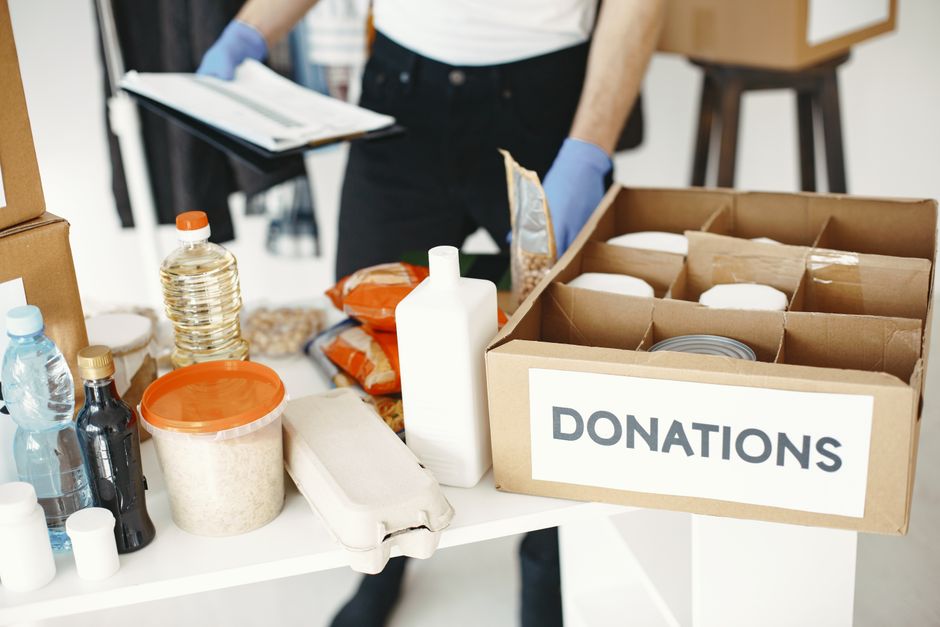
Photo by Gustavo Fring / Pexels
Understanding Food Banks in 2026
Food banks have become an essential lifeline for millions of Americans facing financial hardship. In 2026, these community resources are more accessible and organized than ever before, though many people still hesitate to use them due to stigma or uncertainty about the process. The reality is simple: if you're struggling to put food on your table, food banks exist specifically to help you.
Food banks operate through a network of charitable organizations, often partnering with churches, community centers, and nonprofits. They collect donations from individuals, businesses, and government programs, then distribute them to people in need. Unlike soup kitchens that serve prepared meals on-site, food banks typically allow you to select groceries and take them home, giving you control over what your family eats.
What to Expect When You Visit a Food Bank
Walking into a food bank for the first time can feel intimidating, but understanding the process ahead of time can ease your nerves. Most food banks operate similarly, though specifics vary by location.
The Intake Process
When you arrive, you'll typically check in at an intake desk. A staff member or volunteer will ask basic questions about your household size, income level, and whether you have any dietary restrictions or allergies. This information helps them ensure you receive an appropriate amount of food and allows them to accommodate special needs. Don't worry if the process seems slow—food bank staff are often volunteers doing their best to help as many people as possible.
Bring identification and proof of address if you have it, though many food banks have become more flexible with documentation requirements in recent years. If you're unsure what to bring, call ahead and ask. Most staff are genuinely kind and understand that people accessing food banks are in vulnerable situations.
Selection and Distribution
After intake, you'll either browse shelves to select items yourself or have a volunteer help you gather pre-packaged bags. The variety has improved significantly since the early days of food banking. You're likely to find fresh produce, proteins like meat and eggs, dairy products, canned goods, and pantry staples. Quality varies depending on what donations the food bank has received, so you might get lucky with specialty items like fresh salad mix or premium cuts of meat.
One practical tip: bring bags or a cart if you can. Many food banks don't provide bags, and items can add up quickly. A sturdy reusable grocery bag set is an investment that pays for itself.
Finding Food Banks Near You in 2026
Locating a food bank is easier than ever with online resources available. Here are the most reliable ways to find food assistance in your area:
- Feeding America - Visit feedingamerica.org and use their food bank locator tool. This national network includes over 200 food banks across the country.
- Local 211 Service - Dial 2-1-1 from any phone or visit 211.org to connect with local food assistance programs.
- Your City/County Website - Most municipal governments maintain lists of social services, including food banks.
- Local Churches and Community Centers - Call nearby religious institutions and community organizations; many run food banks or know where to find them.
- Social Media and Google Maps - Search "food banks near me" on Google Maps or check local community Facebook groups for current information and hours.
When you contact a food bank, ask about eligibility requirements, hours of operation, frequency of visits allowed, and whether you need an appointment. Many food banks in 2026 have reduced or eliminated income restrictions, focusing instead on anyone who needs assistance.
Maximizing Your Food Bank Visit
To make the most of your food bank experience, approach it strategically. First, space out your visits rather than taking the maximum amount each time. This allows other community members who need help to access resources too. The mentality of "I got a little extra, so others can go more frequently" strengthens your entire community.
What to Look For
When selecting items, prioritize foods that align with your family's needs and preferences. Fresh produce, proteins, and items with longer shelf lives are typically most valuable. Don't overlook:
- Meat and frozen proteins - These are often in short supply and represent significant savings
- Fresh produce - Especially if your budget doesn't usually allow for fresh fruits and vegetables
- Eggs and dairy - Nutrient-dense foods that support family health
- Whole grains and pasta - Budget-friendly staples for meal planning
- Canned beans and vegetables - Shelf-stable nutrition
Consider bringing a cooler or insulated insulated lunch bag if you're picking up frozen or refrigerated items, especially during warm months.
Planning Your Meals
Once home, take inventory of what you received and plan meals accordingly. A quality