French Onion Soup in 2026: Baking Soda vs. Salt - Which Method Works Best?
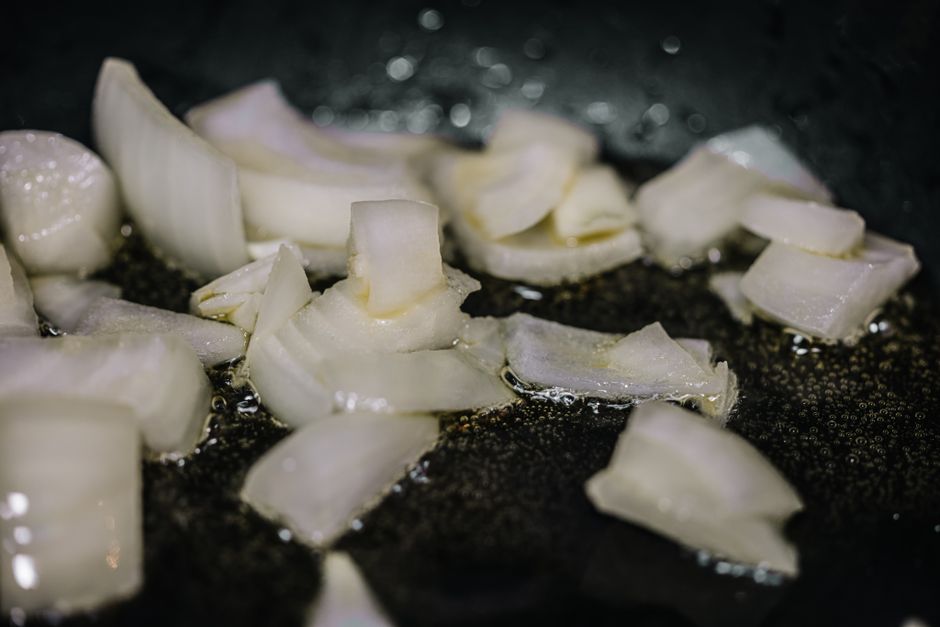
Photo by Magda Ehlers / Pexels
The Great 2026 French Onion Soup Debate
French onion soup has been a comfort food staple for centuries, but the internet in 2026 is still arguing about the best way to prepare it. One of the most heated debates centers on whether adding baking soda to your onions speeds up the caramelization process, or if traditional salt is the way to go. A popular Reddit thread in the cooking community sparked outrage when someone suggested baking soda as a shortcut, only to have experienced cooks shoot it down in favor of the time-tested salt method.
The truth? Both approaches work, but they come with different trade-offs. Understanding which method suits your cooking style, timeline, and desired flavor profile can make the difference between a mediocre soup and a restaurant-quality bowl of pure comfort.
Understanding the Science Behind Onion Caramelization
Before we compare methods, let's talk chemistry. Caramelization isn't just browning—it's a complex chemical reaction where the natural sugars in onions break down and recombine, creating hundreds of new flavor compounds. This process typically takes 45 minutes to an hour on the stovetop.
When you add baking soda to onions, you're raising the pH level of the cooking environment. Higher pH accelerates the browning reaction, which can theoretically cut your cooking time in half. However, this speed comes with a cost: the texture and flavor profile change significantly.
Salt works differently. When added to onions, salt draws out moisture through osmosis, which actually helps the onions release their natural juices. These juices then evaporate more efficiently, concentrating the sugars and allowing for more controlled caramelization. The process takes longer, but the results are more nuanced.
Baking Soda Method: The 30-Minute Promise
The 2026 shortcut crowd loves baking soda for one reason: speed. Add a quarter teaspoon to your cooking pot of sliced onions, and you'll see visible browning within 25-30 minutes instead of 45-60.
Here's what actually happens: The baking soda raises the pH to around 7-8, accelerating the Maillard reaction. Your onions will turn brown quickly—sometimes almost too quickly if you're not paying attention. The texture becomes softer, almost mushy, and the flavor becomes less complex. Instead of deep, caramelized sweetness, you get something closer to cooked-down onions.
The verdict from experienced cooks? It works as advertised, but it's a shortcut that sacrifices quality for time. One Reddit commenter summed it up perfectly: "You'll be able to scrape the onion goo into the bin in half an hour." That "goo" description is telling—the texture isn't what French onion soup enthusiasts are after.
If you're using the baking soda method, be prepared for:
- Faster browning but softer, mushier texture
- Less complex, slightly bitter flavor notes
- A soup that feels more like reheated leftovers than fresh
- The need to watch your pot carefully to avoid burning
The Salt Method: Traditional Excellence in 2026
Salt is the time-honored approach, and for good reason. By drawing out the onions' natural moisture, salt allows for steady, controlled evaporation and sugar concentration. The result is deeper caramelization with more developed flavor compounds.
Here's the proper technique: Start with a large quantity of sliced onions in a heavy-bottomed cast iron skillet or heavy pot. Add a generous pinch of salt—about a quarter teaspoon per pound of onions. Cook over medium-high heat for 10-15 minutes, stirring occasionally, until the onions begin to release their moisture and turn translucent.
Once they're releasing liquid, reduce heat to medium or medium-low. This is where patience matters. Continue cooking for 30-45 more minutes, stirring frequently (every 3-5 minutes). The onions will gradually caramelize, developing a rich, golden-brown color. You'll notice the fond—those browned bits stuck to the bottom—building up. This is flavor.
The advantages of the salt method:
- Complex, nuanced flavor development
- Perfect texture: soft but not mushy
- Golden-brown color that looks appetizing
- More reliable results with less risk of burning
- Better foundation for French onion soup's deep, savory character
Head-to-Head Comparison: 2026 Testing Results
| Factor | Baking Soda Method | Salt Method |
|---|---|---|
| Time Required | 25-30 minutes | 55-75 minutes |
| Texture | Soft, mushy | Tender, distinct pieces |
| Flavor Complexity | Simple, one-note | Deep, layered, sweet |
| Color | Dark brown quickly | Gradual golden-brown |
| Difficulty | Low, but easy to burn | Medium, requires attention |
| Final Soup Quality | Good but one-dimensional | Excellent, classic |
When Might You Actually Use Baking Soda?
Despite its shortcomings, baking soda isn't completely without merit. There are specific situations where the shortcut makes sense in 2026 kitchens:
Weeknight cooking: If you're making French onion soup on a Tuesday night and have limited time, the baking soda method gets you soup in under an hour instead of nearly two hours. It won't be your best batch, but it'll be edible and satisfying.
Caramelized onion toppings: For burgers, sandwiches, or appetizers where you need caramelized onions quickly, baking soda works fine. The flavor subtlety matters less for these applications.
Large quantity cooking: Making soup for 20 people? The time savings of baking soda might justify the trade-off in quality.
For traditional French onion soup served as a proper course, though, salt remains the superior choice.
Pro Tips for Perfect Caramelized Onions Every Time
Whether you choose salt or baking soda, these tips will improve your results:
- Use a heavy-bottomed pot that distributes heat evenly. Thin pots create hot spots that burn onions unevenly.
- Slice your onions consistently, about quarter-inch thick. Uniform size ensures even cooking.
- Don't rush the process. Medium heat is your friend. High heat will burn the outside before the inside caramelizes.
- Stir frequently, especially in the final 20 minutes. This prevents sticking and ensures even browning.
- Keep a splash of water nearby. If the fond (browned bits) builds up too much, add a tablespoon of water to deglaze the pan.
- Once caramelized, add your broth and let the soup simmer for at least 30 minutes so flavors meld.
Key Takeaways
- Baking soda speeds up caramelization by raising pH, cutting time in half but sacrificing complexity and texture
- Salt is the traditional method that produces superior flavor and texture through controlled moisture evaporation
- The choice depends on your priorities: speed versus quality
- For authentic French onion soup, salt is worth the wait
- Heavy-bottomed cookware and patient stirring matter more than which browning agent you use
- Professional chefs in 2026 still overwhelmingly prefer the salt method for restaurant-quality results
Frequently Asked Questions
Can I use both baking soda and salt together?
Technically yes, but it defeats the purpose of either method. Baking soda's whole advantage is speed, which you'd lose by adding salt's slower process. Salt would just make the baking soda less effective. Stick with one approach and commit to it.
What's the best type of onion for French onion soup?
Yellow onions are the classic choice and work beautifully with either method. They have the right balance of natural sugars and moisture. Sweet onions like Vidalia are too mild, while red onions become muddy when caramelized. Stick with regular yellow cooking onions for best results.
How do I know when my onions are perfectly caramelized?
You're looking for a deep golden-brown to mahogany color, not dark brown or burnt black. The onions should be very soft and taste sweet with savory undertones. There shouldn't be any harsh, bitter flavors. If using the salt method, this typically takes 60-75 minutes of cooking time from start to finish.