How to Keep Groceries Under $300/Month for 2 People in 2026: A Frugal Eating Strategy
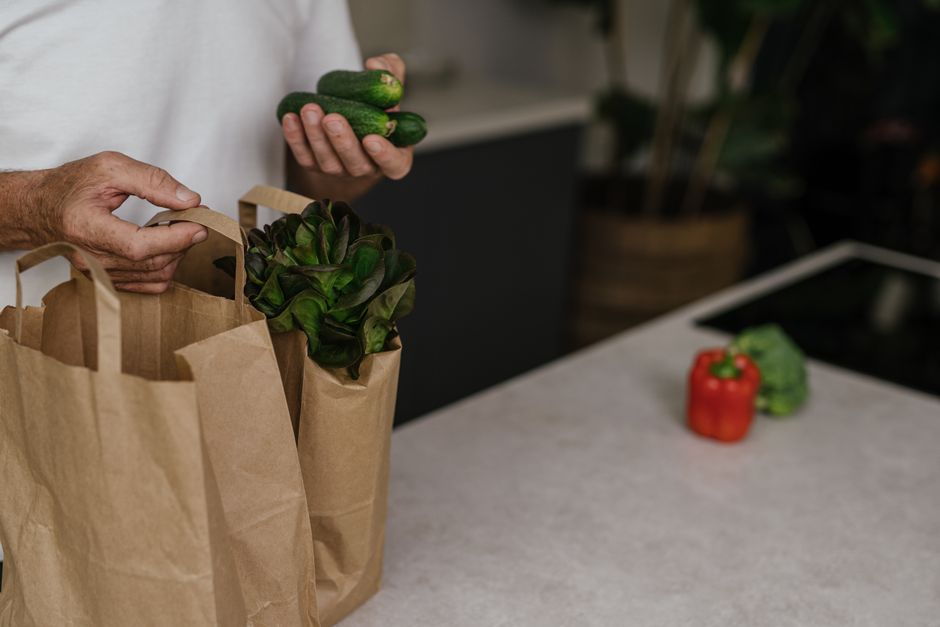
Photo by SHVETS production / Pexels
The Reality of Eating on $300 a Month in 2026
Grocery prices have skyrocketed across the USA in recent years, but many people don't realize it's still entirely possible to feed two people nutritious meals for $300 per month in 2026. The key isn't deprivation—it's strategy. This budget-friendly approach focuses on real, whole foods with minimal additives and fillers, proving that you don't need to sacrifice nutrition or taste to save money.
The secret lies in three fundamental principles: shopping sales strategically, sticking to affordable staples, and being comfortable eating similar foods regularly. While this lifestyle won't include daily variety or frequent meat consumption, it provides complete meals, occasional treats, and genuine satisfaction without breaking the bank.
Core Grocery Categories and Smart Shopping Strategies
Building a $300-per-month grocery budget requires understanding which foods offer the best value while maintaining nutritional balance. The most cost-effective categories include eggs, dried beans and legumes, seasonal vegetables, whole grains, and dairy products like cheese and milk.
Proteins on a Budget: Since this approach is primarily vegetarian with occasional chicken, eggs become your best friend at roughly $3-4 per dozen. A single dozen can provide multiple meals when incorporated into various dishes. Dried beans and lentils cost just pennies per serving and offer complete proteins when paired with grains. Anchovies add umami depth to salads for minimal cost.
Vegetable Selection: Buying what's in season and on sale makes a dramatic difference. Root vegetables like carrots, potatoes, and onions store well and cost less year-round. Frozen vegetables often cost less than fresh while maintaining nutritional value. Building flexibility into your meal plan means shopping sales rather than predetermined menus.
Grain and Carbohydrate Staples: Rice, pasta, oats, and bread form the backbone of affordable eating. Buying larger quantities of basic grains reduces per-serving costs significantly. These staples pair well with seasonal vegetables and proteins to create complete meals.
The Power of Sales and Planning
Successful budget grocery shopping in 2026 requires checking weekly sales flyers and planning meals around what's discounted. Rather than buying what you want and hoping it's affordable, reverse the process: buy what's on sale and build meals around those ingredients. Many grocers offer digital coupons through their apps that stack additional savings onto already-discounted items.
Consider keeping a meal planning notebook to track sales cycles and seasonal pricing patterns. Over time, you'll recognize which months specific items hit their lowest prices and can stock up accordingly.
Sample Weekly Breakdown and Real Budget Numbers
To illustrate how $300 monthly ($75 weekly) actually works, here's a realistic breakdown of what two people might eat for a week in 2026:
- Eggs: 1-2 dozen ($3-6)
- Dried beans and lentils: 2-3 lbs ($2-3)
- Rice or pasta: 2-3 lbs ($2-3)
- Seasonal vegetables: 5-8 items ($15-20)
- Cheese: 1-2 lbs ($5-10)
- Milk or dairy: 1-2 items ($3-5)
- Bread or flour: 1-2 items ($2-4)
- Oil and basic pantry staples: $5-10
- Occasional chicken (1-2 times monthly): $10-15
This creates dozens of meal combinations while staying within budget. A week might include bean chili, vegetable stir-fry over rice, pasta with cheese sauce and roasted vegetables, egg fried rice, and bean-based soups.
What This Budget Does and Doesn't Include
Understanding the boundaries of this budget prevents frustration. This $300 monthly plan covers three daily meals for two people using whole ingredients. It doesn't typically include:
- Frequent snacks or desserts (though occasional treats fit within flexibility)
- Specialty or organic items beyond basic produce
- Regular meat consumption beyond occasional chicken
- Pre-packaged convenience foods
- Multiple beverages beyond water, milk, and tea
However, the budget does accommodate occasional indulgences. One person in this scenario mentioned making a homemade mud pie using leftover money—combining store-bought cookie crust, Tillamook ice cream, whipped cream, and Ghiradelli chocolate sauce. When you're not buying daily snacks, occasional desserts become affordable within the monthly allocation.
Practical Tips for Success in 2026
Implementing this budget successfully requires habit changes and mental shifts. Here are the most effective strategies:
Embrace Repetition
Eating mostly the same foods regularly dramatically reduces planning stress and decision fatigue. Rather than viewing this as boring, consider it efficient. You'll develop favorite recipes and master cooking techniques through repetition, actually improving meal quality.
Invest in Storage and Preparation
Proper food storage extends shelf life and reduces waste—the enemy of any tight budget. Glass food storage containers keep produce and prepared meals fresh longer than plastic wrap. A basic kitchen scale helps portion dried goods accurately, preventing overbuying.
Build a Pantry Foundation
Invest upfront in basic pantry staples—oils, vinegars, spices, salt, and baking basics. These last months or years and dramatically reduce per-meal costs once purchased. Amortize this initial investment across future months rather than including it entirely in month one.
Prioritize Real Food
The philosophy behind this budget emphasizes whole, minimally-processed ingredients. Fresh eggs, dried beans, seasonal vegetables, and basic grains cost less than their processed equivalents while offering superior nutrition and satisfaction.
Key Takeaways
- Feeding two people for $300 monthly in 2026 requires strategic shopping around sales, not predetermined menus
- Vegetarian-focused diets with eggs and occasional chicken offer the best budget flexibility
- Staple ingredients (beans, rice, eggs, seasonal vegetables) form the foundation of sustainable budget eating
- Embracing meal repetition and whole foods makes tight budgets manageable and nutritionally sound
- Occasional treats remain possible when daily snacks are eliminated from spending
- Proper storage and pantry basics extend the budget further by reducing waste
Frequently Asked Questions
Can you eat healthy on $300/month for two people in 2026?
Absolutely. This budget supports nutritionally complete meals using whole foods. The key is focusing on affordable proteins (eggs, beans, dairy), seasonal vegetables, and whole grains rather than processed convenience foods. Many nutritionists consider whole-food diets inherently healthier than processed alternatives, making this budget actually advantageous for health.
Does this budget require vegetarianism?
The strategies work best with primarily vegetarian eating because meat is expensive. However, you can include occasional chicken (as in this example) or other affordable proteins like canned fish. The budget simply requires that meat not be a daily component. Some people stretch their budget further by eating meat only 2-3 times monthly.
What if you have dietary restrictions or preferences?
This framework adapts to various dietary needs. Gluten-free eating costs more but remains possible with careful shopping. Vegan diets work well at this price point by emphasizing beans, lentils, nuts, and seeds. The fundamental strategy—shopping sales, choosing staples, minimizing processed foods—applies regardless of specific dietary choices.