High Protein Breakfast Without Eggs in 2026: Complete Guide for Egg Allergies & Blood Sugar Control
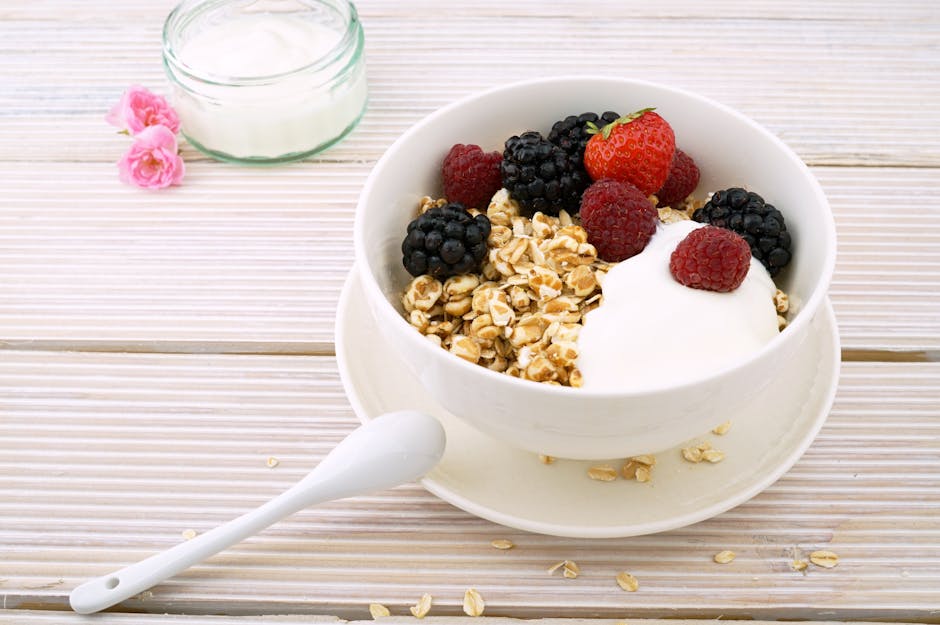
Photo by Life Of Pix / Pexels
Why High Protein Breakfasts Matter in 2026
If you've recently developed an egg white allergy, you're not alone. In 2026, more people are discovering protein sensitivities and exploring alternative breakfast solutions. The good news? There are plenty of delicious, protein-packed options that don't involve eggs.
The challenge you're facing with blood sugar crashes and insulin resistance is real, and it's backed by nutrition science. A high protein breakfast helps stabilize blood glucose levels throughout the morning, preventing those energy dips that can derail your day. Unlike simple carbs that spike and crash, protein provides sustained energy.
Best High Protein Egg-Free Breakfast Ideas
Greek Yogurt Based Breakfasts
Greek yogurt is your new breakfast MVP. With 15-20 grams of protein per serving, it's an excellent foundation for morning meals. You can layer it with nuts, seeds, and berries for a complete breakfast that tastes like dessert.
Try mixing Greek yogurt containers with granola, chia seeds, and fresh fruit. Add a drizzle of almond butter for extra protein and healthy fats. This combination helps regulate blood sugar because the protein slows carb absorption.
Protein Smoothie Bowls
Smoothie bowls are the Instagram-worthy breakfast that actually keeps you full. Blend protein powder, Greek yogurt, milk, and frozen fruit, then top with granola, coconut flakes, and nuts. You're looking at 30-40 grams of protein easily.
Consider using plant-based protein powder or whey protein depending on your dietary preferences. A single smoothie bowl can keep you satisfied until lunch without the dreaded mid-morning crash.
Cottage Cheese Creations
Cottage cheese contains surprising amounts of protein—around 14 grams per half cup. It's versatile, affordable, and works beautifully in both sweet and savory applications. Try it with berries and honey, or go savory with everything bagel seasoning and cucumber.
The casein protein in cottage cheese digests slowly, providing lasting satiety. This is perfect for managing insulin resistance because your blood sugar rises gradually rather than spiking.
Savory Breakfast Options
Who says breakfast has to be sweet? A chickpea flour pancake (also called socca) offers 6 grams of protein per pancake and is naturally egg-free. Serve with avocado, tomato, and a sprinkle of feta cheese.
Another winning option is overnight oats made with protein powder, rolled oats, and milk. Prepare them the night before in a mason jar—they're grab-and-go perfection. Add nut butter for another protein boost and to stabilize blood sugar release.
Comparison: Protein Content in Popular Egg-Free Breakfasts
| Breakfast Option | Protein (grams) | Prep Time | Blood Sugar Impact |
|---|---|---|---|
| Greek yogurt bowl (1 cup) | 20g | 5 min | Low |
| Protein smoothie bowl | 35-40g | 10 min | Low |
| Overnight oats with protein powder | 25-30g | 5 min (prep night before) | Low |
| Cottage cheese with fruit | 14-18g | 3 min | Very Low |
| Chickpea flour pancakes (2 pancakes) | 12g | 15 min | Low |
| Chia pudding | 8-10g | 5 min (prep night before) | Very Low |
Smart Shopping and Meal Prep in 2026
Building a successful egg-free breakfast routine requires stocking your kitchen with the right ingredients. In 2026, many specialty items are more accessible than ever. Consider investing in a quality high-powered blender if you're doing smoothie bowls regularly—it makes prep faster and texture smoother.
Keep these staples on hand:
- Greek yogurt (buy the largest container for best value)
- Cottage cheese
- High-quality protein powder (whey, casein, or plant-based)
- Nuts and seeds (almonds, walnuts, chia, flax)
- Nut butters
- Rolled oats
- Fresh and frozen berries
- Milk or milk alternative
- Whole grains and legumes (for savory options)
Meal prepping on Sunday makes weekday mornings effortless. Prepare overnight oats in mason jars for five mornings, portion out Greek yogurt bowls into containers, or cook a batch of chickpea flour pancakes to reheat quickly.
Managing Blood Sugar Throughout the Day
You mentioned stabilizing blood sugar crashes, so let's address the bigger picture. A high protein breakfast is step one, but timing and composition matter.
Aim for 25-35 grams of protein at breakfast, combined with complex carbohydrates and healthy fats. This trio slows digestion and prevents the rapid glucose spikes that lead to energy crashes. For example, overnight oats (carbs) + protein powder (protein) + almond butter (fat) checks all three boxes.
Don't skip meals. Intermittent fasting might sound trendy in 2026, but for someone managing insulin resistance, consistent protein intake throughout the day is safer and more effective. A solid breakfast actually prevents overeating later.
Consider hydration too. Many people mistake thirst for hunger or confuse dehydration symptoms with blood sugar crashes. Start your morning with water, then sip throughout breakfast.
Key Takeaways
- Egg white allergies don't mean abandoning protein-rich breakfasts—plenty of alternatives exist
- Greek yogurt, cottage cheese, and protein-fortified smoothie bowls offer 20-40g protein per serving
- Combining protein with complex carbs and healthy fats prevents blood sugar spikes and crashes
- Overnight oats and meal prep make egg-free breakfasts convenient for busy weekdays
- Cottage cheese's slow-digesting casein protein is particularly good for insulin resistance
- Quality kitchen tools like blenders and mason jars make prep faster and easier
FAQs About High Protein Egg-Free Breakfasts
Can I use egg yolks safely for weekday breakfasts?
While you mentioned you're okay with yolks, cross-contamination risk is real in a home kitchen. If you absolutely want to include yolks, dedicated utensils, cutting boards, and rigorous hand-washing are essential. However, the alternatives we've discussed are easier, faster, and eliminate allergy risks entirely. Save your yolks for special weekend treats when you can be extra careful.
How much protein do I actually need at breakfast?
For blood sugar regulation and insulin resistance management, aim for 25-35 grams. This amount slows carbohydrate digestion and prevents glucose spikes. If you're particularly active or doing strength training, you might go higher. Consult a registered dietitian for personalized recommendations based on your body composition and activity level.
Are plant-based proteins as good as dairy for breakfast?
Both work well. Dairy options like Greek yogurt and cottage cheese offer complete proteins with all nine amino acids plus calcium. Plant-based proteins like legume flour, hemp seeds, and plant-based protein powders also provide good nutrition, sometimes with added fiber benefits. Mix and match based on your preferences and any other dietary restrictions.