Is Your House Making You Sick? Common Indoor Health Issues in 2026
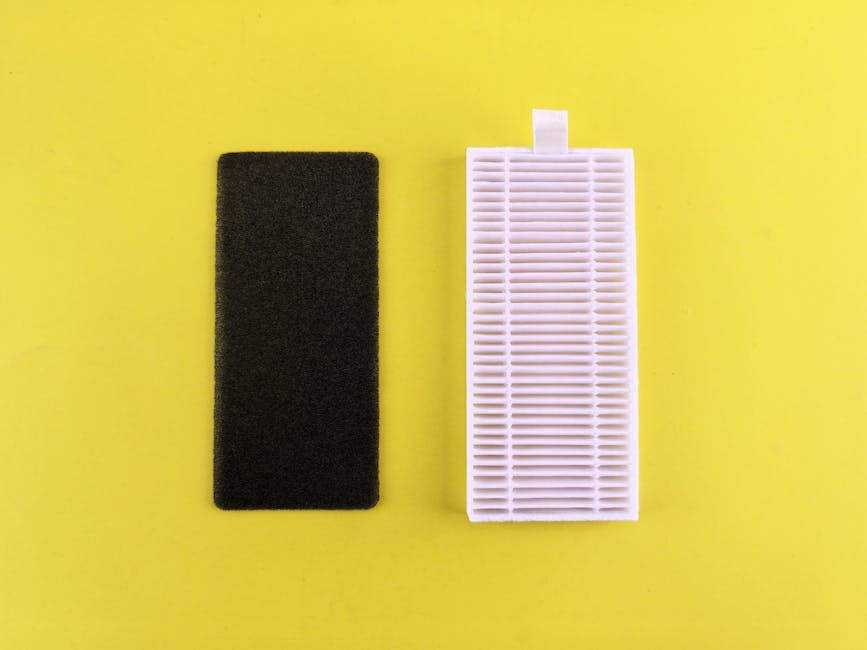
Photo by Andrey Matveev / Pexels
Understanding House-Related Illness Symptoms
If you're spending most of your time at home and experiencing symptoms that improve when you leave, your house could absolutely be the culprit. This phenomenon, sometimes called sick building syndrome, occurs when indoor environmental factors trigger physical symptoms that resolve when you're away from the space.
The story shared in this Reddit discussion is more common than many homeowners realize. A stay-at-home parent experiencing progressive nausea and headaches throughout the day, coupled with post-nasal drip upon waking, points directly to indoor environmental factors. The fact that symptoms worsen as the day progresses and improve outside the home is a major red flag worth investigating.
Unlike sudden acute illnesses, house-related symptoms typically develop gradually and consistently. Your body spends hours accumulating exposure to whatever irritants exist in your indoor environment, which explains why you feel progressively worse as the day continues.
Key Indoor Air Quality Factors That Make You Sick
Several interconnected factors in your home could be contributing to illness-like symptoms:
Wood Stove Emissions and Combustion Byproducts
Wood stoves, while cozy and economical, can significantly impact indoor air quality. When not properly maintained or vented, they release:
- Particulate matter and smoke particles
- Carbon monoxide in dangerous concentrations
- Nitrogen dioxide from combustion
- Volatile organic compounds (VOCs)
The dryness you're experiencing is a secondary issue that compounds the problem. Low humidity levels dry out nasal passages and sinuses, making them more vulnerable to irritation from smoke and particles. This explains the post-nasal drip and subsequent nausea.
Renovation and Construction Dust
Major renovations introduce massive amounts of irritants including:
- Drywall dust and joint compound particles
- Wood dust from cutting and sanding
- Paint fumes and off-gassing chemicals
- Insulation fibers if walls are opened
- Mold spores if hidden moisture issues are exposed
Given your confirmed allergies to dust and mold, renovation work is essentially creating an environment perfectly designed to trigger your symptoms. Construction dust is extremely fine and easily inhaled, penetrating deep into nasal passages and lungs.
Humidity Imbalance
Winter heating combined with wood stove use creates dry indoor environments. Optimal indoor humidity ranges from 30-50%. When humidity drops below this range, several problems occur:
- Nasal mucous membranes dry out and crack
- Throat irritation increases
- Sinus inflammation worsens
- Dust particles remain suspended longer in dry air
- Viruses and allergens penetrate defenses more easily
While you mention using humidifiers, they may not be adequately compensating for the combination of wood stove heat and winter weather. Additionally, poorly maintained humidifiers can harbor mold, creating more problems.
Mold Growth and Moisture Issues
Interestingly, while your home feels dry overall, mold thrives in specific microenvironments. Renovation work frequently exposes hidden moisture problems, and the dust from construction can settle in areas where moisture exists, creating perfect mold conditions. Since you have a confirmed mold allergy, even small amounts trigger reactions.
Why Your Husband and Toddlers Aren't Affected
The fact that your husband remains symptom-free while you're experiencing progressive illness provides valuable diagnostic information. Several factors explain this discrepancy:
Allergen Sensitivity: You have documented allergies to dust, mold, ragweed, and oak. Your immune system is primed to react to these specific irritants. Your family members may have similar exposures but lack the genetic predisposition or sensitization to respond with symptoms.
Time Exposure: As a stay-at-home parent, you're exposed 24/7. Your husband likely leaves for work, reducing his cumulative exposure. Even your toddlers have variable exposure if they nap, play in different rooms, or spend time outside.
Your younger toddler's runny nose suggests they may be responding to the same environmental factors, just with different symptoms. Children often display upper respiratory symptoms (runny nose) where adults develop nausea and headaches. This actually supports the house-as-culprit hypothesis.
Diagnostic Steps and Solutions
Immediate Actions to Take
Before spending money on professional testing, try these evidence-based approaches:
- Improve ventilation: Open windows daily for 15-20 minutes, even in winter. Use bathroom and kitchen exhaust fans during and 20 minutes after showers and cooking.
- Address humidity: Get an accurate humidity monitor (not just what humidifiers claim). Maintain 35-45% humidity. If humidifiers aren't working, check filters, water quality, and consider upgraded models or professional equipment.
- Contain renovation dust: If renovation is ongoing, isolate the work area with plastic sheeting and create negative air pressure using fans vented outside. Contractors should be doing this, but homeowners often skip these crucial steps.
- Check wood stove operation: Have it professionally inspected and cleaned. Ensure the chimney draws properly and isn't creating backdrafts that push smoke into living spaces.
- Increase air filtration: Upgrade HVAC filters to MERV 13 minimum. Use standalone HEPA air purifiers in bedrooms and main living areas, especially during renovation.
Professional Testing
If symptoms persist after basic improvements, consider:
Carbon monoxide testing: Inexpensive CO monitors (under $30) can identify dangerous emissions from your wood stove. This is worth checking immediately given your symptoms.
Mold inspection: A visual inspection costs $300-500. Professional mold testing runs $600-1,500 depending on home size.
Indoor air quality assessment: Some HVAC companies offer this service to identify specific pollutants and recommend solutions.
Comparison Table: Indoor Air Quality Solutions
| Solution | Cost | Time to Implement | Effectiveness | Best For |
|---|---|---|---|---|
| HEPA Air Purifier | $200-600 | Same day | High | Dust, mold spores, general particles |
| Humidity Control System | $300-1,500 | 1-2 weeks | Very High | Dry air symptoms, preventing mold |
| Wood Stove Inspection/Cleaning | $150-300 | 1 day | High | Smoke, CO, combustion byproducts |
| Ventilation Improvements | $0-500 | Immediate | Medium-High | General air quality circulation |
| Professional Mold Inspection | $300-1,500 | 1-2 days | High | Identifying hidden mold sources |
| Renovation Dust Containment | $100-500 | 1-2 days | Very High | Construction-related symptoms |
Key Takeaways
- Your symptoms strongly suggest house-related illness rather than a medical condition, especially given they improve outside the home
- The combination of wood stove use, low humidity, renovation dust, and your specific allergies creates a perfect storm for symptoms
- Your husband's lack of symptoms and your toddler's different symptoms don't rule out environmental causes—they reflect individual variation in exposure and sensitivity
- Start with simple, low-cost interventions like humidifier optimization, ventilation, and dust containment before pursuing expensive testing
- Professional wood stove and mold inspections are worthwhile next steps if symptoms persist after basic improvements
Frequently Asked Questions
Should I stop using my wood stove?
Not necessarily, but you should have it professionally inspected and ensure it's properly maintained and vented. If inspection reveals problems and you can't afford repairs, temporary discontinuation while addressing other factors might help you identify if it's the primary culprit. Many people use wood stoves year-round without health issues when they're properly maintained.
How long does it take for indoor air quality improvements to show results?
You should notice improvement within 3-7 days of making changes. If you adjust humidity, increase ventilation, and contain renovation dust simultaneously, you might feel better within a week. If symptoms persist beyond that, look deeper into wood stove operation or consider professional testing for hidden mold.
Can renovation work cause these specific symptoms?
Absolutely. Renovation dust is incredibly fine and easily penetrates nasal passages and sinuses. Combined with your dust and mold allergies, ongoing construction work is likely the primary driver of your symptoms. Proper containment and filtration during renovation is essential for people with allergies.