Do Instant Water Heaters Really Work Long-Term in 2026? Real User Experiences
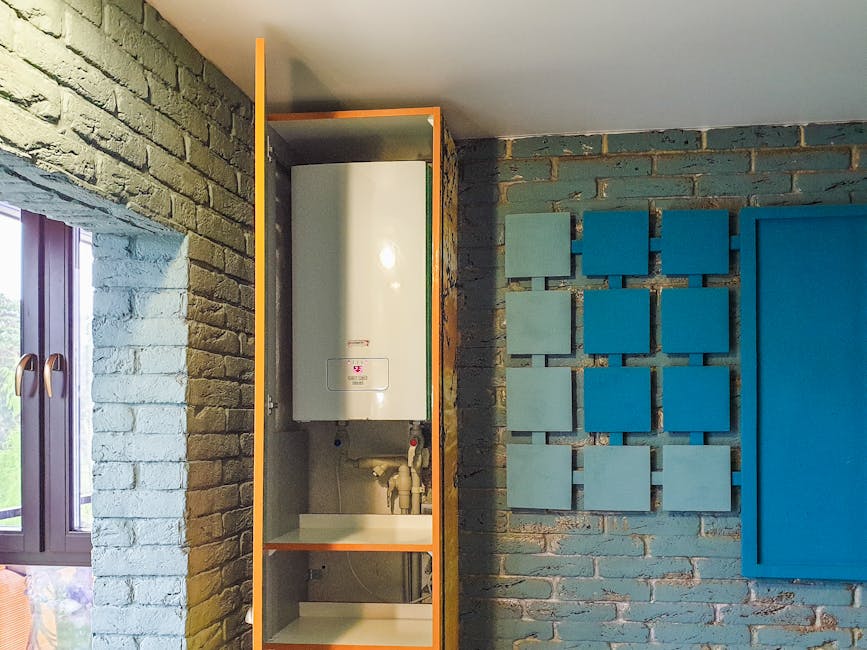
Photo by Алексей Вечерин / Pexels
The Promise vs. The Reality of Instant Water Heaters in 2026
If you've ever stood in your shower waiting for hot water to arrive, or experienced that frustrating moment when the temperature suddenly drops mid-shower, you understand why instant water heaters sound so appealing. The idea of having hot water on demand without a storage tank seems like it should solve everything. But does it actually live up to the hype after months or years of daily use?
Based on real homeowner experiences and common concerns raised in home improvement communities, there's a gap between what instant water heaters promise and what some people experience long-term. Understanding these potential issues before you install one can help you make a better decision for your home.
Common Long-Term Issues Homeowners Report
Temperature Inconsistency Problems
One of the most frequently mentioned complaints about instant water heaters is something called "temperature fluctuation" or the "cold water sandwich" effect. This happens when you turn on the tap and initially get hot water, then it switches to cold, then hot again. It's exactly the kind of annoying daily frustration the original poster was worried about.
Several factors cause this. When water sits in the pipes between uses, it cools down. When you turn on an instant heater, it takes a moment to reach operating temperature. Older models or poorly calibrated units struggle more with this issue. Some users report it gets worse during peak usage times when multiple people are using hot water simultaneously in the home.
Energy Consumption Reality
Marketing materials often claim instant water heaters are more efficient than traditional tanks. The logic seems sound: you're not keeping 40-50 gallons of water hot 24/7. However, long-term users report the reality is more complex.
An instant water heater works by rapidly heating cold water as it flows through. To deliver truly hot water at a good flow rate, the unit needs significant power. Many instant models require upgraded electrical service, which means additional installation costs. Some homeowners find their energy bills don't decrease as much as expected, especially if they use hot water frequently or have multiple bathrooms running simultaneously.
Flow Rate and Pressure Issues
While not every unit has this problem, many users report reduced water pressure or flow rate compared to their previous setup. This is particularly noticeable when multiple fixtures are running simultaneously. If you're used to a strong shower and running the dishwasher at the same time, you might notice the shower pressure drops significantly.
This happens because instant heaters have limitations on how much water they can heat simultaneously. Exceeding that flow rate means either lower pressure or inadequate heating—sometimes both.
Installation and Technical Challenges
Beyond daily operation, the installation process itself can create headaches that persist long-term.
Instant water heaters require careful installation. Venting must be done correctly—especially with gas models—or you risk safety issues. venting kits need to match your specific unit and home configuration. If installation isn't done properly, you might experience performance problems that take months to diagnose.
The learning curve is real. Many instant heater owners find they need to adjust water usage habits. Running multiple hot water fixtures simultaneously, which worked fine with a tank system, now requires compromise. This adjustment period can last weeks or months.
Maintenance also differs significantly. descaling and flushing kits are necessary if you have hard water. Without regular maintenance, mineral buildup reduces efficiency and can cause failures. This ongoing requirement catches some homeowners off-guard.
When Instant Water Heaters Actually Work Great
It's not all negative. For many people, instant water heaters deliver exactly what they want. The key is understanding which situations favor them.
Instant heaters excel in homes with consistent, moderate hot water usage. A couple or small family without multiple simultaneous hot water needs often finds them excellent. They work particularly well if you already have good water quality (low mineral content) and your home's electrical or gas infrastructure supports them.
They're also ideal if your main complaint was a long wait for hot water to arrive at distant fixtures. An instant heater dramatically reduces or eliminates that wait. This alone makes the switch worthwhile for many people.
Homes with space constraints benefit too. No storage tank means more usable space in basements, closets, or utility areas. For renovations or additions, this space savings can be valuable.
Instant Water Heater Comparison: Tank vs. Tankless
| Feature | Traditional Tank | Instant/Tankless |
|---|---|---|
| Wait Time for Hot Water | 30 seconds to 2+ minutes | 5-10 seconds |
| Simultaneous Multiple Fixtures | Excellent capacity | Limited capacity |
| Temperature Consistency | Generally stable | Can fluctuate |
| Energy Efficiency | Lower efficiency | Higher efficiency (with caveats) |
| Installation Cost | $500-$1,500 | $1,500-$3,500+ |
| Maintenance | Minimal | Regular descaling needed |
| Lifespan | 10-15 years | 15-20 years |
| Space Required | Significant (basement/closet) | Minimal (wall-mounted) |
Key Takeaways
- Instant water heaters genuinely reduce wait time for hot water and save space, which are real benefits for many households
- Temperature fluctuation remains a common complaint even with quality units—it's often a feature of the technology rather than a defect
- Energy savings depend heavily on your water usage patterns and may not match marketing claims
- Installation quality matters tremendously; poor installation leads to ongoing performance issues
- If you have hard water, plan for regular maintenance using descaling solutions or professional services
- Multiple simultaneous hot water uses can reduce performance—this is a genuine limitation, not a malfunction
- They work best in homes with moderate, consistent hot water usage rather than high-demand situations
Making Your Decision
So should you switch to an instant water heater? It depends on your specific situation and priorities.
If your main frustration is waiting 60+ seconds for hot water to arrive, an instant heater will definitely improve that experience. If you're primarily concerned about energy bills and have high hot water usage, the savings might disappoint you.
Before committing, honestly assess how many people in your household use hot water simultaneously. Do two showers run at once? Is the dishwasher running while someone showers? These scenarios stress instant heaters and may reveal limitations.
Get multiple quotes from licensed installers familiar with instant heater installation in your area. The quality of installation significantly affects long-term performance. Ask specifically about their experience with temperature consistency and what warranty they offer on installation work.
Consider your water quality too. If you have very hard water, factor in regular maintenance costs when comparing to traditional tanks. This ongoing expense sometimes tips the financial equation back toward conventional systems.
Frequently Asked Questions
Do instant water heaters work in cold climates?
Yes, but with a caveat. Instant heaters must heat incoming water from colder starting temperatures in winter, which requires more energy and can strain the system. They work fine, but efficiency may decrease slightly. Proper sizing becomes even more important in cold climates.
How often do instant water heaters need maintenance?
With soft water, minimal maintenance is needed beyond annual inspection. With hard water, descaling is recommended every 6-12 months. This involves flushing the system with a descaling solution, either DIY or professional.
Can I upgrade my existing home's wiring for an electric instant heater?
Most electric instant heaters require 200-amp service. If your home has older 100-amp service, upgrading can cost $1,500-$3,000+. Gas models avoid this but have their own venting requirements. Have an electrician assess your home before deciding.