What to Do With Leftover Crudité Platters in 2026: Creative Recipe Ideas
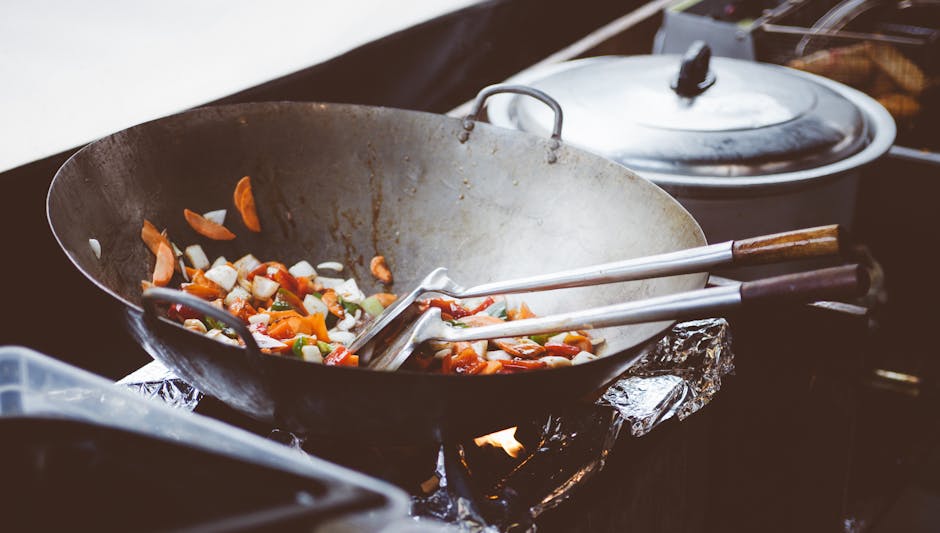
Photo by Clem Onojeghuo / Pexels
The Leftover Crudité Problem: A Common Kitchen Challenge
Planning food for events like baby showers can be tricky. You estimate 50 guests but only 30 show up, and suddenly your carefully prepared crudité platter becomes a fridge-filling challenge. If you're working long shifts and don't have time for elaborate cooking, those fresh vegetables will quickly lose their appeal and nutritional value. The good news? There are plenty of practical ways to transform your leftover veggie platter into delicious, shelf-stable meals that won't go to waste.
This situation happens more often than you'd think, especially after holiday gatherings and special events. The key is having a game plan to process those vegetables while they're still fresh. Whether you have baby carrots, broccoli, bell peppers, cherry tomatoes, or cucumber, these vegetables are incredibly versatile and deserve better than the compost bin.
Creative Recipes for Your Leftover Crudité Vegetables
The classic cream of vegetable soup is a solid starting point, but it's far from your only option. Here are several practical approaches to process your leftover platter:
Cream of Vegetable Soup (Enhanced Version)
Your instinct about soup is good, but let's improve on the traditional recipe. A hearty cream of vegetable soup can absolutely accommodate broccoli, bell peppers, and even cucumber. The trick is understanding how each vegetable contributes to the final dish. Broccoli adds earthiness and body, bell peppers bring sweetness and subtle flavor, and cucumber provides moisture and a light, fresh quality. Cook the carrots and broccoli longer than the peppers to develop deeper flavors, and add the cucumber near the end to preserve its delicate taste.
Simply sauté your chopped vegetables in butter or olive oil, add vegetable or chicken stock, simmer until tender, then blend with cream or coconut milk. Season with herbs like thyme or bay leaves. You can make several large batches and freeze portions for those busy weeks ahead.
Vegetable Stock or Broth
If you're low on freezer space but want to maximize nutrients, consider making homemade vegetable stock. This is incredibly simple: chop all your vegetables roughly, place them in a large pot with water, add bay leaves and peppercorns, then simmer for 45 minutes to an hour. Strain and freeze in ice cube trays for convenient portions. You'll have flavorful stock ready for quick soups, grains, and sauces whenever you need it.
Pickled Vegetables
Pickling is an excellent preservation method that requires minimal cooking time. Create a simple brine with vinegar, water, sugar, and spices, then pack your raw vegetables into jars. Baby carrots, bell peppers, cucumber slices, and even broccoli florets pickle beautifully. The vegetables will keep for weeks in the refrigerator and taste fantastic as snacks, salad toppings, or alongside meals. You can use glass mason jars for storage.
Roasted Vegetable Medley
Toss your vegetables with olive oil, salt, pepper, and your favorite seasonings, then roast at 425°F for 20-30 minutes. This concentrates flavors and creates a versatile component you can use throughout the week. Add roasted veggies to grain bowls, pasta dishes, wraps, or eat them straight from the container. Roasting also removes excess moisture, helping vegetables last longer in your refrigerator.
Vegetable Frittata or Quiche
Chop everything finely and combine with eggs, cheese, and cream for a protein-rich frittata or quiche. Bake once and enjoy multiple servings over several days. This is especially convenient for quick breakfasts or light dinners after those 12-hour shifts.
Comparison of Processing Methods
| Method | Time Required | Shelf Life | Best For |
|---|---|---|---|
| Cream Soup | 45 minutes | 4 days (fridge) / 3 months (frozen) | Quick meals, comfort food |
| Vegetable Stock | 60 minutes | 6 months (frozen) | Cooking ingredient, minimal storage |
| Pickled Vegetables | 20 minutes | 3-4 weeks (fridge) | Snacks, condiments, variety |
| Roasted Vegetables | 35 minutes | 5 days (fridge) / 3 months (frozen) | Bowl components, side dishes |
| Frittata/Quiche | 50 minutes | 5 days (fridge) | Breakfast, light dinners |
Time-Saving Tips for Busy Schedules
Since you're working those long 12-hour shifts, efficiency is crucial. Here are practical strategies to process your vegetables quickly:
- Use a food processor to chop large quantities in minutes instead of manually cutting everything by hand
- Batch cook multiple recipes simultaneously—while soup simmers, prepare pickling jars and start roasting vegetables
- Invest in quality freezer-safe glass containers for easy portioning and reheating
- Label everything with dates so you know what to prioritize first
- Prepare ingredients the night before, then cook when you have time
- Double recipes to maximize your effort—you'll appreciate having extra portions later
Combination Approach: The Smart Strategy
Rather than choosing just one method, consider a combination approach. Use your vegetables for multiple purposes simultaneously. For example, you might: make one large pot of cream soup (which freezes beautifully), prepare a batch of pickles for variety, roast another portion for grain bowls, and make vegetable stock from the tougher pieces. This way, you're not eating the same thing all week, and you're maximizing every bit of your vegetable platter.
This strategy is especially valuable when you're exhausted from long work shifts. Having soup ready to heat, pickles ready to eat, and pre-roasted vegetables for quick assembly means you won't be tempted to order takeout on your toughest days.
Key Takeaways
- Leftover crudité vegetables don't need to be wasted—they have multiple delicious applications
- Cream of vegetable soup works well with broccoli, peppers, and cucumber; it freezes excellently for busy weeks
- Pickling is a quick preservation method requiring minimal cooking and providing weeks of shelf life
- Roasting concentrates flavors and creates a versatile component for various meals
- Using a food processor and preparing multiple recipes simultaneously maximizes efficiency
- A combination approach provides variety and ensures nothing goes to waste
FAQs About Leftover Crudité Vegetables
Can you really put cucumber in cream soup?
Yes, you absolutely can. Cucumber adds moisture and a subtle, fresh quality to cream soups. The key is adding it later in the cooking process or blending it in at the end so it doesn't break down completely. It pairs surprisingly well with broccoli and bell peppers, creating a lighter soup than traditional recipes.
How long does homemade vegetable soup last?
Properly stored cream-based vegetable soup lasts about 4 days in the refrigerator. However, it freezes beautifully for up to 3 months. Pour cooled soup into freezer containers, leaving a bit of headspace for expansion. Thaw overnight in the refrigerator and reheat gently on the stovetop.
What's the easiest way to preserve these vegetables?
Pickling is arguably the easiest method because it requires no cooking skills and minimal active time. Simply prepare a vinegar-based brine, pack vegetables into jars, pour the hot brine over them, and refrigerate. The vegetables are ready to eat within hours and will keep for weeks. This is perfect for people with limited cooking time and limited freezer space.