Main Breaker Switch Won't Move in 2026? Here's Why and How to Fix It
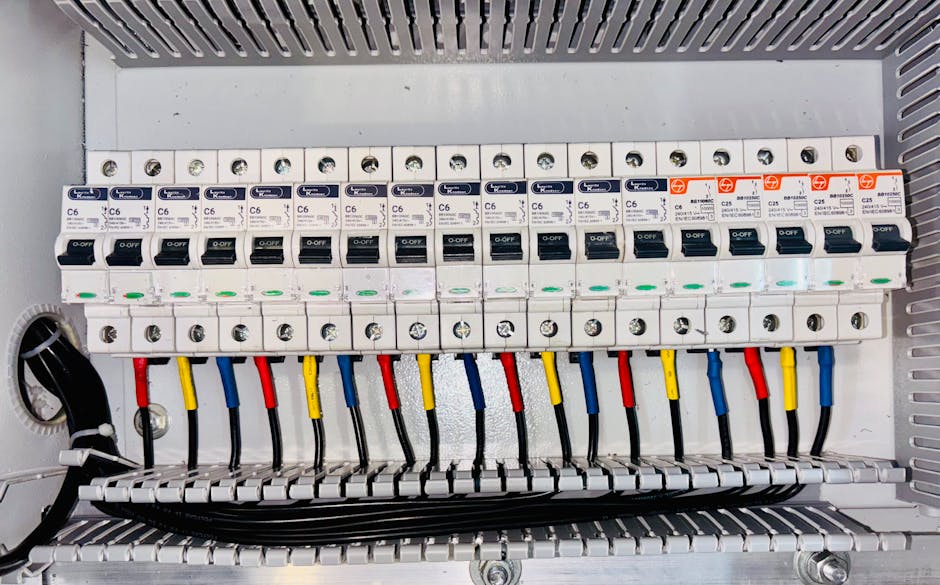
Photo by ranjeet . / Pexels
Understanding Your Main Breaker Problem
If you're struggling to flip your main breaker switch back on after the power company has restored service to your home, you're dealing with a common issue that frustrates homeowners in 2026. This situation typically occurs when a house has been disconnected from power for an extended period. The good news is that understanding what causes this problem helps you determine whether it's a DIY fix or time to call a professional electrician.
When your main breaker switch refuses to budge, especially after being turned off by request, several factors could be at play. The most important thing to remember is that forcing a stuck breaker can damage your electrical panel, potentially creating safety hazards or requiring expensive repairs.
Why Your Main Breaker Is Stuck
Moisture and Corrosion
One of the most common reasons a breaker won't move after months of disconnection is moisture accumulation inside your electrical panel. When a house sits unoccupied and the power is off, humidity can seep into the panel housing. This moisture can cause corrosion on the breaker mechanism, making it difficult or impossible to move.
Corrosion creates friction that prevents smooth operation. Even a thin layer of oxidation on metal contacts can make a significant difference in how easily the switch moves. This is especially problematic in coastal areas or regions with high humidity.
Thermal Stress and Material Expansion
Months without power means your breaker has experienced temperature fluctuations without the stabilizing effect of electrical load. When temperatures swing dramatically, different materials in the breaker expand and contract at different rates. This thermal stress can cause internal components to bind or stick.
Additionally, the lubricants inside breaker mechanisms can thicken or harden over time, particularly in cold climates. What moves smoothly in normal conditions becomes sticky when not used for months.
Internal Breaker Mechanism Failure
Sometimes the problem isn't external but internal. Breakers are designed for regular use. When one sits dormant for extended periods, internal springs and pivots can become stuck or corroded. This is more common with older breakers, particularly those that are 10+ years old.
Improper Installation or Defective Unit
Occasionally, a breaker is simply manufactured with a defect that doesn't show up immediately. The stress of disconnection and reconnection can reveal flaws that weren't apparent during normal operation.
Troubleshooting Steps Before Calling an Electrician
Visual Inspection
First, carefully examine your electrical panel without touching anything. Look for visible signs of water damage, corrosion, or debris. If you notice water pooling in the panel or extensive rust, stop immediately and call a licensed electrician. This indicates a serious problem that requires professional attention.
Gentle Pressure Testing
Before applying significant force, try gentle rocking motions. Move the breaker switch slightly right, then return it to center, then right again. Use only finger pressure—no tools yet. Sometimes this gentle rocking can free up a stuck mechanism without causing damage.
A quality LED flashlight or headlamp will help you see better inside the panel during inspection.
Wait and Retry
Counterintuitively, waiting 24-48 hours sometimes helps. If the problem is moisture-related, some evaporation might occur. Temperature stabilization after power restoration can also help components settle back into normal position.
When to Stop and Call a Professional
If you've tried gentle rocking and waiting with no improvement, or if the breaker feels like it might crack when you apply moderate pressure, stop. Forcing a stuck main breaker risks:
- Damaging the breaker internally
- Creating a fire hazard
- Causing electrical arcing or sparking
- Rendering your panel unsafe
- Requiring expensive panel replacement
Professional Solutions and Prevention
What an Electrician Will Do
A licensed electrician has several options your breaker won't budge. They might apply penetrating oils specifically designed for electrical equipment (never standard WD-40, which isn't approved for electrical panels). They can carefully apply targeted heat using approved methods to help mechanisms move freely.
If the breaker is truly stuck beyond recovery, they can replace it with a new one. While this costs more than a simple free-up, it's far cheaper than dealing with a damaged panel or electrical fire.
Preventing This Problem in the Future
If you anticipate your home will sit vacant and disconnected for months, work with your electrician and power company on a better strategy. Some options include:
- Leaving the main breaker in the ON position and having the power company disconnect at their meter instead
- Installing a small dehumidifier in the electrical panel enclosure if safe to do so
- Scheduling regular power cycling to prevent mechanisms from seizing
- Having an electrician inspect and clean the panel before extended vacancy
Understanding Your Electrical Panel
Your main breaker is a critical safety component. Unlike individual circuit breakers that handle specific circuits, the main breaker controls all power to your home. It's designed to trip if there's a severe overload, protecting your entire house from electrical fire.
Because of its importance, it's manufactured with tight tolerances. This precision design means it's more sensitive to corrosion and sticking than individual breakers. The main breaker typically handles 100-200 amps of current, making safety paramount.
Key Takeaways
- A stuck main breaker after extended disconnection is usually caused by moisture, corrosion, or thermal stress
- Never force a stuck breaker with excessive pressure—risk of damage is high
- Try gentle rocking motions and waiting 24-48 hours before assuming it's permanently stuck
- Water damage in your electrical panel requires immediate professional attention
- Licensed electricians have safe methods to free stuck breakers or replace them if necessary
- Plan ahead if your home will sit vacant to prevent this problem from occurring
- The cost of a professional call is minimal compared to potential panel replacement or safety hazards
Frequently Asked Questions
Is it dangerous to force a stuck main breaker?
Yes, absolutely. Forcing a stuck breaker can damage internal mechanisms, create electrical arcing, or cause the breaker to fail to function properly in an emergency. This puts your entire home at fire risk. It's worth the service call to have a professional handle it safely.
How much will an electrician charge to fix a stuck breaker?
A service call typically runs $150-300 for diagnosis and attempt to free the mechanism. If replacement is needed, add another $75-200 for the new breaker depending on your panel type and breaker specifications. Many electricians bundle this into a single service call fee, so get an estimate first.
Can moisture in an electrical panel cause other problems?
Moisture in an electrical panel is serious. Beyond stuck breakers, it can cause corrosion, electrical shorts, arcing, and fire hazards. If you suspect water intrusion into your panel, contact a licensed electrician immediately. This isn't something to delay on.