Neighbor Trespassing on Property to Access Water in 2026: Legal Rights & Solutions
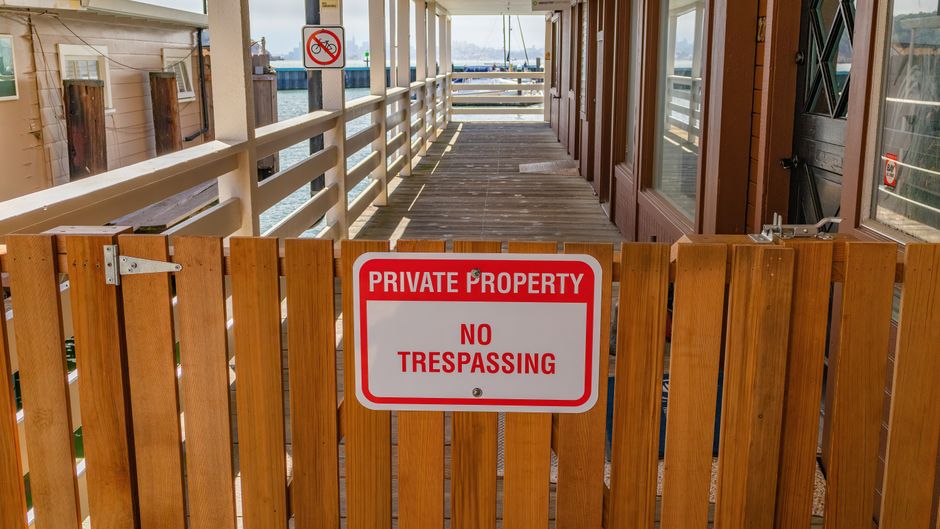
Photo by Robert So / Pexels
Understanding Your Property Rights When Neighbors Trespass for Water Access
Discovering that your neighbors are regularly trespassing on your property to access a body of water can be frustrating and concerning. In 2026, property rights remain a fundamental aspect of homeownership, and understanding exactly what you can and cannot do about neighbors crossing your land is essential. The situation becomes even more complex when the water body is shared or when there's potential for easement rights that may have been established years ago.
When you own 20 acres of property that borders a pond or swamp, you have the legal right to control who enters your land. However, this right isn't always absolute. Some neighbors may have legal easement rights that predate your ownership, or there may be established patterns of use that could complicate your response. Before taking action, it's crucial to understand whether your neighbors have any legitimate claim to cross your property.
Document Everything: Building Your Case in 2026
The first step in addressing neighbor trespassing is thorough documentation. Start by recording when you see your neighbors on your property, what activities they're engaged in, and the route they take. This documentation becomes invaluable if the situation escalates to legal action.
- Install outdoor security cameras at key access points along your property line
- Keep a detailed log with dates, times, and descriptions of trespassing incidents
- Take photographs or video of worn paths, disturbed vegetation, or structures they may have created
- Note any damage to your property, including cut trees or cleared brush
- Save any communications with your neighbors about the property
Photography and video evidence is particularly important in 2026, where digital documentation is standard in legal proceedings. Consider using property line marking flags or paint to clearly delineate your boundaries, making it obvious where your land ends and trespassing begins.
Communication Strategy: The Diplomatic Approach
Before involving lawyers, many property disputes can be resolved through calm, direct communication. This approach often preserves neighborhood relationships and costs far less than legal action. However, approach this conversation carefully and strategically.
Preparing for the Conversation
Before talking to your neighbors, gather your property documents, survey information, and any evidence of the trespassing. Know exactly what you want to accomplish. Are you willing to grant them an easement? Do you want them to stop entirely? Are there alternative access routes?
When you approach your neighbors, keep the conversation factual and non-accusatory. Instead of saying, "You're trespassing on our property," try, "We've noticed people accessing the water through our land, and we want to discuss the best way forward for everyone." This sets a collaborative tone rather than an adversarial one.
Documenting the Agreement
If your neighbors acknowledge they've been crossing your property and you decide to allow it, get something in writing. A simple letter or formal easement agreement protects both parties and prevents future disputes. Many property owners in 2026 use legal document templates as a starting point, though having an attorney review any agreement is wise.
Legal Options When Diplomacy Fails
If your neighbors refuse to acknowledge the trespassing or ignore your requests to stop, you have several legal remedies available in 2026.
| Legal Option | Cost Range | Timeline | Best For |
|---|---|---|---|
| Cease and Desist Letter | $200-$500 | 1-2 weeks | Clear initial warning with legal backing |
| Formal Easement Agreement | $500-$1,500 | 2-4 weeks | Formalizing ongoing access permission |
| Property Survey | $300-$800 | 1-3 weeks | Establishing exact property boundaries |
| Small Claims Court | $75-$300 filing | 1-3 months | Damages under $5,000-$10,000 |
| Civil Lawsuit | $2,000-$10,000+ | 6-18 months | Significant damages or injunction needed |
Cease and Desist Letter
An attorney-drafted cease and desist letter is often the most effective first legal step. This formal notice documents that you're aware of the trespassing, you object to it, and you're demanding it stop. It creates a legal record and often prompts neighbors to take the matter seriously. Many property disputes are resolved once a cease and desist letter is received.
Installing Physical Barriers
In 2026, property owners can legally install fences, gates, or other barriers to prevent trespassing. However, check local regulations first, as some areas have restrictions on fence height or style. No trespassing signs are inexpensive and provide clear notice that entry is prohibited.
If neighbors have been accessing the water for an extended period, they might claim they've gained a right of way through long-term use. Installing barriers can interrupt this pattern and strengthen your legal position.
Easement Rights: Understanding Potential Claims
One complicating factor in your situation is that neighbors might have an established easement right to cross your property. An easement is a legal right to use someone else's land for a specific purpose. These can be:
- Express easements - Clearly stated in writing on the deed
- Implied easements - Suggested by the property layout or historical use patterns
- Prescriptive easements - Earned through long-term, open use (typically 15-20 years, depending on your state)
Review your property deed carefully and check the neighbors' deed if possible. If they mention historical use of the path, they may be claiming prescriptive easement rights. This is where professional legal guidance becomes essential, as the rules vary significantly by location in 2026.
Key Takeaways
- Document all trespassing incidents with photos, videos, and detailed logs
- Review your deed and property survey to understand easement rights
- Start with diplomatic communication before legal action
- If needed, send a formal cease and desist letter to establish your objection
- Consider installing physical barriers and no trespassing signs
- Consult a local real estate attorney if the situation escalates
- Get any informal agreements in writing to prevent future disputes
Frequently Asked Questions
Can I legally stop my neighbors from crossing my property to access water?
Generally, yes—you have the right to exclude trespassers from your land. However, if neighbors have an established easement or have used the path openly for many years, they may have legal rights to continued access. This varies by location, so consult a local attorney to understand your specific situation.
What's the best first step if I discover neighbors trespassing?
Document the trespassing with photos and dates, then attempt a friendly conversation. Keep records of this conversation. If they refuse to acknowledge the issue or continue trespassing, have an attorney send a cease and desist letter. This creates a legal record and often resolves the matter without court involvement.
How much does it cost to handle a neighbor trespassing dispute in 2026?
This ranges dramatically depending on your approach. A cease and desist letter costs $200-$500. A property survey costs $300-$800. If the case goes to court, you're looking at $2,000 to $10,000+ in legal fees. Starting with documentation and communication can save thousands of dollars compared to litigation.