How to Build Neighborhood Connections in 2026: A Young Homeowner's Guide to Breaking the Ice
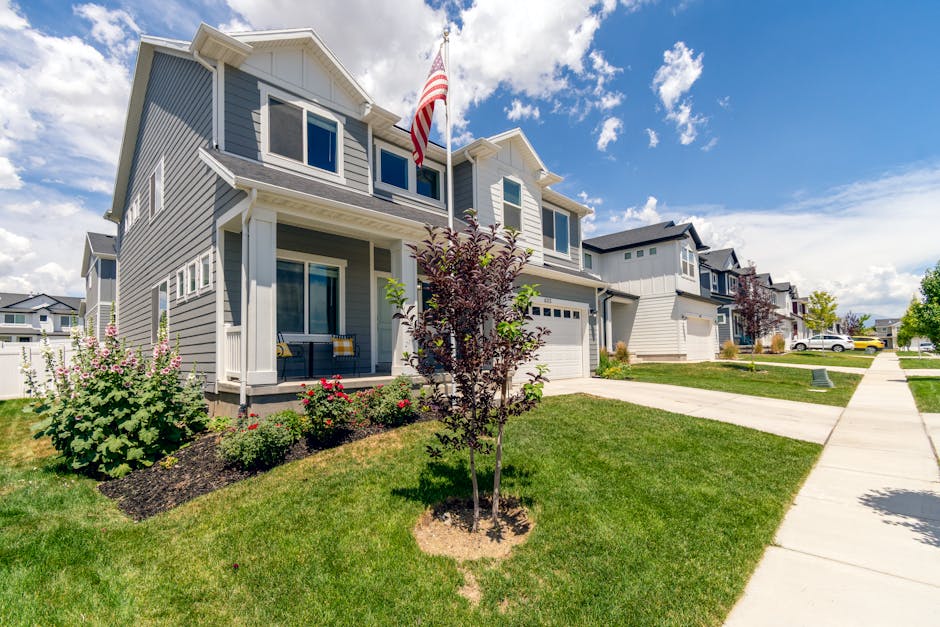
Photo by Get Lost Mike / Pexels
Understanding the Isolation Feeling: You're Not Alone
Moving into a new home is exciting, but it can feel isolating when you're surrounded by neighbors in different life stages. If you're a young, single homeowner living among families and older couples, you might wonder if you'll ever truly fit in. The good news? Many homeowners experience this exact feeling, and 2026 has brought new opportunities to connect with your community.
The first nine months in your home can set the tone for your entire neighborhood experience. If you've been keeping to yourself, don't panic. It's never too late to introduce yourself and build genuine relationships with those living around you. The key is understanding that neighbors appreciate effort and sincerity, regardless of demographic differences.
Practical Strategies to Break the Ice in 2026
Start With Simple, Casual Encounters
The best connections often happen naturally. Instead of planning a formal introduction, focus on creating opportunities for casual interaction. Spend time in your front yard, driveway, or porch during times when neighbors are likely to be outside. This might be weekend mornings, early evenings, or during yard work.
When you see a neighbor, make genuine eye contact, smile, and offer a friendly greeting. If they seem open, introduce yourself: "Hi, I'm [name]. I moved in last summer but was traveling for a bit. I've been meaning to introduce myself." Most neighbors will respond positively to honesty and friendliness.
Leverage Community Events and Block Activities
Check if your neighborhood has scheduled events like block parties, HOA meetings, or community cleanup days. These are perfect, low-pressure opportunities to meet multiple neighbors at once. If your neighborhood doesn't have organized events, consider starting one in 2026. A casual block party in spring or summer requires minimal planning and gives everyone a reason to gather.
You don't need to host an elaborate event. Even a simple backyard gathering with snacks and drinks can work wonders. You can also volunteer to organize a neighborhood yard sale, organize a community garden, or plan a casual coffee meet-up at a local spot.
Use Home Improvement Projects as Conversation Starters
Visible home improvement work naturally attracts attention and conversation. Whether you're painting your front door, upgrading your landscaping, or installing outdoor lighting, neighbors often stop to chat. This gives you a legitimate reason to engage without it feeling forced.
If you're planning projects, consider quality garden tools that make outdoor work visible and approachable. Even working on your landscaping gives neighbors opportunities to comment and start conversations naturally.
Offer Genuine Help or Kindness
Offering to help neighbors with yard work, pet-sitting, or small favors builds goodwill quickly. Notice when elderly neighbors might need help with heavy yard work or when families with young children might appreciate a hand. Small acts of kindness are remembered and often reciprocated.
You might also consider providing seasonal gifts like homemade baked goods, plant seedlings, or neighborhood care packages during holidays. These thoughtful gestures show you care about the community while giving neighbors a reason to remember you positively.
Managing Different Lifestyles and Finding Common Ground
The reality is that you have a different lifestyle than your block. You're single, younger, and likely have different routines. This isn't a problem—it's just different. The key is finding points of connection despite these differences.
Consider what you genuinely have in common: homeownership, property maintenance, neighborhood safety, or local services. These are universal concerns that transcend age and family status. When conversations start, focus on these shared interests rather than trying to force connections around activities you don't share.
It's also okay to acknowledge the differences openly. Comments like, "I know I probably have a different schedule than most of you, but I really appreciate the neighborhood," show self-awareness and honesty. Most neighbors respect authenticity.
Creating Lasting Neighborhood Connections
Be Consistent and Patient
Building neighborhood relationships takes time. Don't expect instant friendship after one interaction. Instead, commit to regular, brief interactions. Wave when you get home from work. Stop for a quick chat when you see neighbors outside. Consistency builds familiarity and trust.
Follow Up on Initial Connections
If you have a good conversation with a neighbor, remember details they mention and ask about them next time. "How did your daughter's soccer game go?" or "Did you end up planting those roses?" shows genuine interest and memory, which neighbors deeply appreciate.
Respect Boundaries and Privacy
While breaking the ice is important, so is respecting that not everyone wants close relationships with neighbors. Some people are friendly but maintain distance, and that's perfectly fine. Respect their preferences while remaining open and friendly.
Practical Tools for Connection in 2026
| Connection Method | Best For | Time Required | Effectiveness |
|---|---|---|---|
| Casual yard time interaction | Building natural relationships | 15-30 minutes | High - feels organic |
| Organized block event | Meeting multiple neighbors | 2-4 hours planning + event | Very High - structured opportunity |
| Offering help/favors | Building goodwill | Variable | Very High - memorable |
| Small gift-giving | Breaking initial ice | 30-60 minutes | High - thoughtful gesture |
| HOA/community involvement | Regular interaction | Monthly commitment | High - ongoing connection |
Key Takeaways
- It's never too late to introduce yourself to neighbors, even after nine months
- Casual, consistent interactions build better relationships than forced formal introductions
- Create opportunities for connection through visible activities and community events
- Find common ground through shared homeownership concerns, not lifestyle similarities
- Show genuine interest in neighbors' lives and remember details they share
- Respect that different lifestyles can coexist peacefully in neighborhoods
- Small acts of kindness and thoughtfulness build lasting neighborhood goodwill
Frequently Asked Questions
Is it weird to introduce myself after 9 months of living here?
Not at all. Most neighbors will understand that life happens—family matters, work stress, travel, and adjustment periods are normal. Being honest about why you've kept to yourself shows maturity. Simply say something like, "I had some family things going on when I moved in, but I'm settling in now and wanted to introduce myself." Neighbors appreciate honesty and effort, even if it's been a while.
What if my neighbors don't seem interested in being friends?
Not every neighbor will become a close friend, and that's okay. The goal is friendly coexistence, not mandatory friendship. Some neighbors are naturally more reserved or busy. Respect their boundaries while remaining warm and open. Even if you don't become friends, being on good terms with neighbors is valuable for practical reasons like communication, security, and community safety.
How can I connect despite having such a different lifestyle?
Focus on universal homeowner concerns: property maintenance, local services, neighborhood news, and community well-being. These topics transcend age and family status. You don't need to share hobbies or lifestyles to build friendly relationships. Many strong neighborhood connections are based simply on mutual respect and proximity rather than deep shared interests.