Outlet Replacement Cost Guide 2026: Why Electrician Quotes Vary So Much
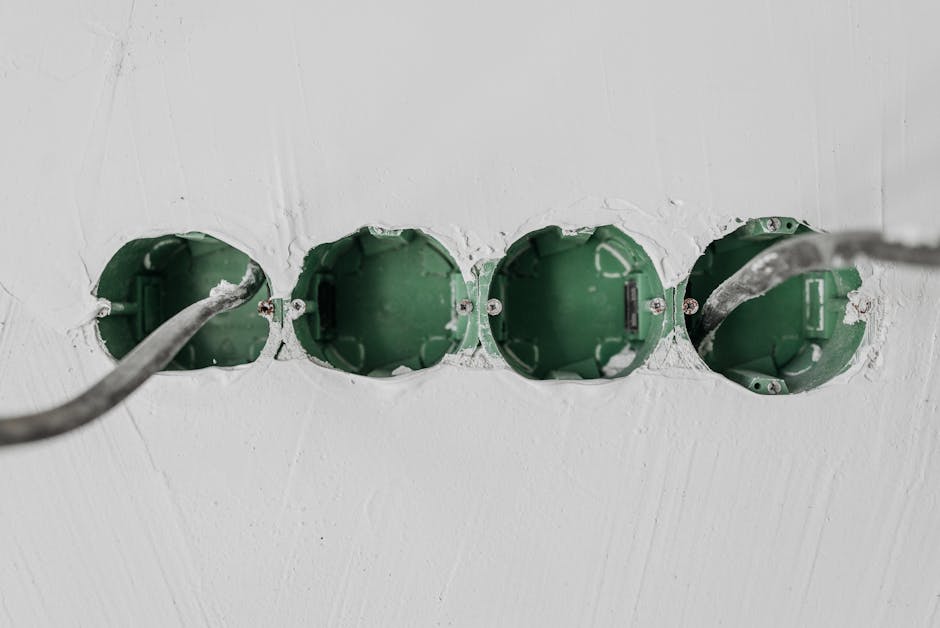
Photo by Pavel Danilyuk / Pexels
Understanding Outlet Replacement Pricing in 2026
If you've ever gotten multiple quotes for outlet replacement work, you know the sticker shock is real. One homeowner in Washington state received five different quotes ranging from $275 to $1,700 for replacing 25 outlets, and they're not alone. This massive price disparity leaves many homeowners confused about what constitutes fair pricing and which contractor to trust.
The truth is, there are legitimate reasons why electricians and handymen quote so differently for the same job. Understanding these factors will help you make an informed decision that protects both your wallet and your home's electrical safety.
The Main Factors Behind Price Differences
Service Call Fees and Business Overhead
One of the biggest variables in electrical quotes is how contractors structure their pricing. Some electricians charge a separate service call fee ($50-$150) just to assess the job, while others fold that into their final quote. Established electrical companies with brick-and-mortar locations, insurance, and licensed employees have significantly higher overhead than a solo handyman operating from home.
A licensed electrician carries liability insurance, workers' compensation, and maintains ongoing continuing education. A handyman may operate with minimal overhead, which is why their quotes can be substantially lower—but this also means less recourse if something goes wrong.
Licensing and Liability Considerations
The difference between a handyman and a licensed electrician matters more than many homeowners realize. In Washington state (where the example homeowner is located), electrical work has specific licensing requirements. A licensed electrician must meet education and experience standards, carry proper insurance, and their work is guaranteed to meet code.
If a handyman causes damage or creates a fire hazard and they're not properly licensed or insured, you could be liable. Your homeowner's insurance may also refuse to cover damages if unlicensed work caused the problem. This is why quotes from licensed electricians are often higher—you're paying for accountability.
Per-Outlet Labor Rates
Here's where the math gets interesting. That $275 quote works out to about $11 per outlet, while the $1,700 quote is roughly $68 per outlet. Both might be legitimate, but for very different reasons.
A low-cost quote might represent:
- A handyman with lower overhead
- A newer electrician building their business
- A contractor heavily discounting to win work
- Potentially incomplete or rushed work
A higher quote might reflect:
- Established, licensed electrician with strong reputation
- Comprehensive assessment and quality assurance
- Warranty on workmanship
- Full insurance and bonding
- Potentially inflated pricing
Outlet Replacement Cost Breakdown Table
| Quote Amount | Per-Outlet Cost | Likely Contractor Type | Risk Level |
|---|---|---|---|
| $275 (25 outlets) | $11/outlet | Handyman (possibly unlicensed) | High |
| $650 (25 outlets) | $26/outlet | Licensed electrician (competitive) | Low |
| $1,200 (25 outlets) | $48/outlet | Handyman or established electrician | Medium |
| $1,500-$1,700 (25 outlets) | $60-$68/outlet | Established electrician (premium pricing) | Low |
How to Evaluate Electrical Quotes Properly
Verify Licensing and Insurance
Before comparing prices, verify that any electrician you're considering is properly licensed. In Washington state, you can check the Department of Labor and Industries website. Ask for proof of:
- Current electrical license
- Liability insurance certificate
- Workers' compensation insurance (if they have employees)
- References from previous customers
A contractor who hesitates to provide these documents is a red flag.
Look Beyond the Bottom Line
The cheapest quote isn't always the best value. Consider what's included:
- Is the work guaranteed?
- Will they clean up after themselves?
- Do they inspect existing wiring for safety issues?
- Are they using quality outlets or cutting corners?
- Will they provide a detailed invoice?
The homeowner in the Reddit post wisely decided to go with the $650 quote—a middle ground that's reasonable for a licensed electrician while not being suspiciously low or unnecessarily high.
Get Everything in Writing
Always request written quotes that specify:
- Number of outlets to be replaced
- Type of outlets (standard vs. GFCI)
- Outlet brand and specifications
- Labor rate and total hours estimated
- Warranty on workmanship
- Payment terms
- Start and completion dates
Red Flags in Outlet Replacement Quotes
Be cautious of quotes that seem too good to be true. A $275 quote for 25 outlets works out to roughly 15-20 minutes per outlet total (driving time, setup, and actual replacement). That's either unsustainably cheap or indicates rushed, potentially unsafe work.
Similarly, be wary of quotes that don't itemize labor versus materials. You should be able to see the contractor's logic—how many hours they're estimating and at what hourly rate.
Another red flag: contractors who pressure you to decide immediately or won't provide written quotes. Legitimate electrical companies are happy to put their pricing in writing.
DIY Outlet Replacement: Know Your Limits
The homeowner who tried replacing 39 outlets themselves and gave up by outlet 10 made the right call. While basic outlet replacement can seem simple (and is legal for homeowners to do in many states), there are real safety risks:
- Incorrect wire connections causing fire hazards
- Damaged wiring inside walls
- Shock hazards from improper grounding
- Creating code violations that affect home resale
If you're not confident in your electrical knowledge, hiring a professional is worth every penny. Electrical fires cause thousands of home fires annually, and many start from improper outlet installation.
Key Takeaways
- Licensed electricians typically cost more because they carry insurance, maintain licenses, and guarantee their work—but this protects you
- Fair pricing for 25 outlets ranges from $400-$1,000 depending on your region and contractor experience level
- Always verify licensing before accepting any quote; a few minutes checking credentials can save thousands in potential liability
- Per-outlet rates under $20 are suspiciously cheap and may indicate unlicensed work or uninsured contractors
- Get multiple quotes (3-5 is ideal) but focus on mid-range licensed electricians rather than extremes
FAQs About Outlet Replacement Costs
What's the average cost per outlet in 2026?
For a licensed electrician in most U.S. markets, expect $25-$50 per outlet for straightforward replacements like standard duplex or GFCI outlets. This covers labor and assumes you're providing the outlets. Geographic location matters—urban areas typically cost more than rural areas.
Should I always hire a licensed electrician?
For anything beyond basic outlet replacement, absolutely yes. For 25 outlets in accessible locations with no complications? A licensed electrician is the safer choice, though if your state allows homeowner electrical work and you're experienced, you could do it yourself. Never hire an unlicensed contractor—the liability risk isn't worth the savings.
Can I provide the outlets and save money?
Yes, as the homeowner did in this example. You can purchase standard electrical outlets and GFCI outlets online or at hardware stores at a fraction of contractor prices. This typically saves 15-25% on total project cost. Just ensure the outlets meet current electrical code requirements.