Pet Memorial 'Parting Bag' Guide: Preserve Your Pet's Memory in 2026
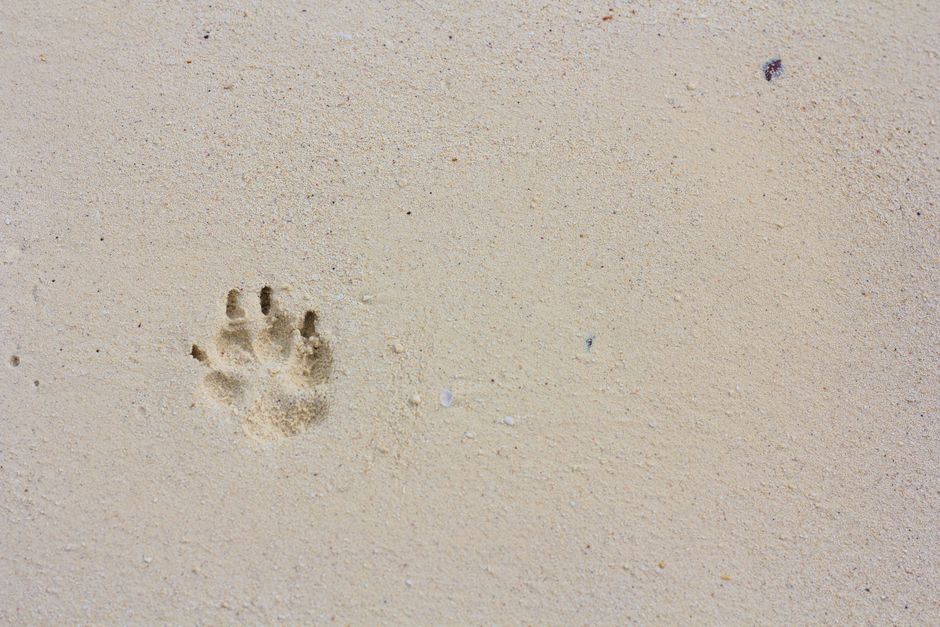
Photo by Noemí Jiménez / Pexels
Why Every Pet Owner Should Have a Parting Bag Ready
Losing a beloved pet is one of life's most difficult experiences, and most pet owners don't want to think about it until they're facing it. When a pet is aging or experiencing health decline, emotions run high, and the last thing you need is scrambling to figure out what to do or what you might want to remember them by. A parting bag is a simple but profound way to prepare yourself emotionally and practically for your pet's inevitable passing.
Creating this memorial kit in advance gives you peace of mind and ensures you have the right materials on hand when grief might cloud your decision-making. Whether your pet passes away after a long illness or unexpectedly during an emergency, having these items ready means you can focus on being present with your pet rather than worrying about logistics.
Essential Items for Your Pet Memorial Parting Bag
Air Dry Clay or Sculpey Clay for Paw Prints
The centerpiece of any parting bag should be air dry clay or polymer clay. These materials allow you to capture one of the most meaningful physical reminders of your pet: their paw prints. Unlike ink prints that fade over time, clay impressions create a 3D record you can cherish forever.
To use clay effectively, gently press your pet's paw into the clay to create a clear impression. The beauty of this method is that you can make multiple impressions without wasting time or worrying about getting it perfect on the first try. Some pet owners later pour plaster into these impressions to create permanent garden stones or decorative pieces, turning a simple paw print into lasting art.
Cardboard and Protective Storage
Keep a piece of sturdy, flat cardboard in your parting bag to serve as a base for your clay impressions. This prevents them from warping or becoming distorted while drying. If you need to transport the clay pieces to a veterinary clinic or home, place them in a gallon-sized protective bag to keep them safe from damage or contamination.
Ink Pad and Quality Paper
While your vet office may or may not have an ink pad available, having your own ensures you won't miss this opportunity. A non-toxic pet ink pad specifically designed for animals is ideal. Keep good quality paper in your parting bag so you can capture ink prints of your pet's paws and nose. These 2D prints are quick, beautiful, and provide a different kind of memorial than 3D clay impressions.
Additional Memorial Items to Consider
Beyond the basics, consider adding other meaningful items to your parting bag. A soft cloth or towel can help you gently handle your pet during memorial creation. Some people include a journal for writing their thoughts and memories, or special pens for creating personalized memorial cards. A camera or smartphone is useful for photographing the paw prints and clay impressions you create.
Creating the Perfect Pet Memorial Setup
Timing and Preparation
The ideal time to prepare a parting bag is when your pet is healthy but you're aware they're aging. Many pet owners find it helpful to create this kit during a quiet moment at home, treating it as a way to honor your pet while they're still with you. Store it somewhere accessible but not so visible that it becomes a daily reminder of mortality.
Working with Your Veterinarian
When the time comes, don't hesitate to ask your vet if they can assist with ink prints or if they have materials you can use. Many veterinary clinics are compassionate about these requests and may even have their own paw print equipment. If not, your prepared materials ensure you can still create meaningful memorials. Some vets offer professional paw print services, which can be a lovely complement to your DIY efforts.
Managing Expectations
Not every paw print will be perfect, and that's part of what makes them meaningful. Some impressions might be too deep, others too shallow. This is why experts recommend creating multiple prints rather than relying on just one. The imperfections often add to the authenticity and emotional value of the keepsake.
What Happens After: From Clay to Keepsake
Once you've created your clay impressions and ink prints, you have multiple options for what to do with them. Many pet owners frame their ink prints and display them in their homes. Others take their clay impressions to a local craft shop or use a home craft kit to create plaster casts, which can then be painted and displayed as garden stones or shelf decorations.
Some people create a memory box containing all their pet's mementos: the paw prints, photos, a collar or tag, maybe some fur carefully saved in a small envelope. Others scan their ink prints and digital photos to create a digital memorial album they can share with family members who also loved the pet.
Comparison Table: Pet Memorial Methods
| Memorial Method | Permanence | Cost | Difficulty | Display Option |
|---|---|---|---|---|
| Clay Paw Impressions | Very High | Low | Easy | Garden stones, shelves |
| Ink Paw Prints | Medium | Low | Easy | Framed, scrapbooks |
| Professional Plaster Casts | Very High | Medium-High | Professional | Garden, home display |
| Digital Photo Album | Very High | Low | Easy | Online, digital device |
| Custom Pet Portrait | Very High | Medium-High | Professional | Framed, canvas |
| Memory Box | High | Low | Easy | Closet, shelf, memory area |
Key Takeaways
- Prepare a parting bag before your pet's health significantly declines to avoid scrambling during emotional times
- Include air dry clay, sturdy cardboard, protective bags, ink pads, and quality paper as your core materials
- Create multiple paw impressions rather than relying on a single print, as some may be imperfect
- Ask your veterinarian about their paw print services, but don't rely on them having materials available
- After creation, transform clay impressions and ink prints into lasting keepsakes like garden stones, framed art, or memory boxes
- The imperfect nature of DIY paw prints often adds emotional authenticity to your memorial
Frequently Asked Questions
Q: When should I start preparing a parting bag?
A: The best time is when your pet is aging but still healthy, or if you have a pet with a known chronic condition. You don't need to wait until a veterinarian gives you a terminal diagnosis. Having the bag prepared brings peace of mind without needing to use it immediately.
Q: Can I use regular ink pads from office supply stores for pet paw prints?
A: While some regular ink pads might work, it's better to use non-toxic ink pads specifically designed for pets. These are formulated to be safe if your pet licks their paws afterward and often produce clearer, darker prints on paper.
Q: What should I do if my pet's paw prints aren't clear?
A: This is completely normal and expected. Clay impressions sometimes come out too shallow or too deep, and ink prints may be smudged. This is exactly why experts recommend creating multiple impressions. You'll likely get at least one or two that you're happy with, and the imperfections actually make each print unique and meaningful to the grieving process.