Is 'Run Wire for Outlet' a Complete Job in 2026? What Homeowners Need to Know
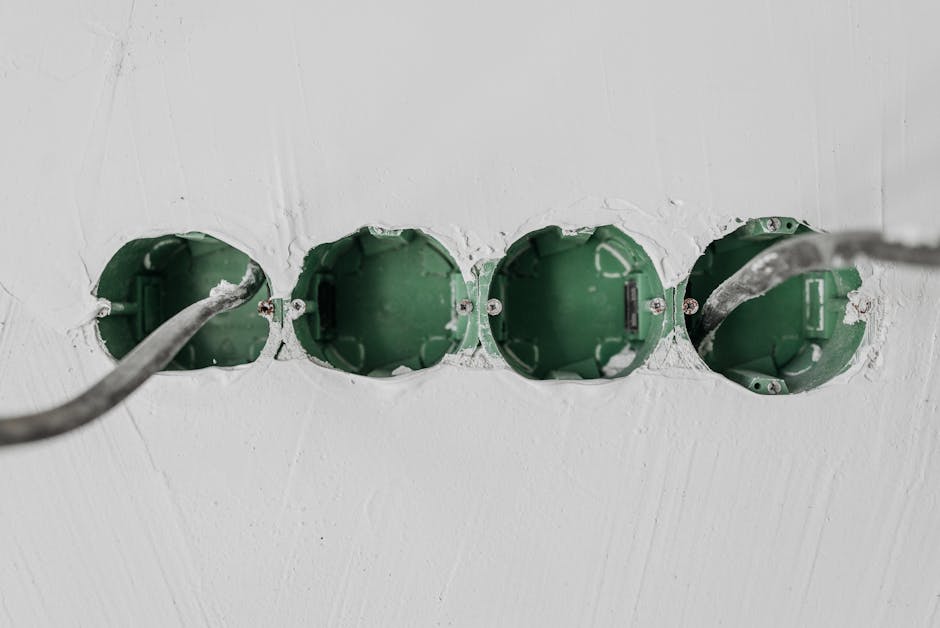
Photo by Pavel Danilyuk / Pexels
Understanding the Difference Between Running Wire and Installing an Outlet
One of the most common sources of confusion in home improvement contracts involves electrical work terminology. When a contractor says they'll "run wire for an outlet," it doesn't automatically mean the outlet itself will be installed and functional. This distinction matters significantly because it can affect your budget, timeline, and whether the work is actually usable when the project concludes.
In 2026, homeowners are increasingly hiring contractors for kitchen renovations, bathroom upgrades, and home office additions—all of which typically require new electrical outlets. Understanding the language in your contract before work begins can save you from costly misunderstandings and delays.
What Does "Running Wire" Actually Mean?
Running wire, also called "roughing in" electrical work, refers to the process of installing the electrical conduit and wiring through your walls, ceilings, or floors. This is the behind-the-scenes work that happens before drywall is finished. A contractor performing this task will:
- Route electrical wire from your breaker panel or existing circuits through wall cavities
- Install appropriate gauge wire based on the outlet's amperage requirements
- Secure the wire properly using staples or conduit fittings
- Ensure the wire terminates at the location where the outlet should eventually go
The key point: when this work is complete, you have a pathway for electricity to reach that location, but no actual outlet box or receptacle installed. It's like having a water line running to your kitchen island but no sink—the infrastructure is there, but it's not usable yet.
What's Required to Complete an Outlet Installation
Finishing an outlet involves several additional steps beyond running wire. These tasks include:
- Installing an electrical box—A plastic or metal box must be secured at the wire termination point, typically flush with your finished wall surface
- Connecting the wire to the outlet receptacle using appropriate terminals or push-in connectors
- Securing the receptacle inside the box
- Adding a cover plate once the outlet is tested and functional
- Testing the outlet for proper voltage and grounding
You might also need to install specific outlet types depending on location. For an island outlet in 2026, code requirements often mandate GFCI (Ground Fault Circuit Interrupter) protection, which adds another layer of complexity and cost.
Why Contractors Might Separate These Tasks
The separation between running wire and installing outlets has legitimate reasons from a contractor's perspective. Some projects are divided between rough-in work (before drywall) and finish work (after drywall is up). If drywall installation happens between these phases, the contractor who ran the wire may not be on-site when it's time to install the actual outlet box.
In island situations specifically, contractors sometimes separate these tasks because:
- Island wiring often requires running wire under the floor or through cabinets
- The island's final design or dimensions might change during construction
- Island outlets need specific positioning that might be determined later
- The contractor might not supply electrical fixtures—only perform the roughing-in work
However, from a homeowner's perspective, this separation can feel like an incomplete job, especially if you weren't explicitly told the outlet wouldn't be functional.
What Your Contract Should Specify in 2026
The ambiguity in your situation stems from contract language that doesn't clearly define "complete" work. A well-written electrical contract should specify:
| Task Description | What's Included | What's NOT Included |
|---|---|---|
| Install 2 wall outlets | Wire, box, receptacle, cover plate, testing | Usually nothing—fully functional |
| Run wire for outlet (no finish) | Wire installation through walls only | Outlet box, receptacle, cover plate |
| Rough-in outlet wiring | Wire to outlet location, box installation | Receptacle and cover plate installation |
| Complete outlet installation | Everything from wire to testing to cover plate | Nothing—ready to use |
Your contract mentions "install 2 new wall outlets" and separately "run wire for an outlet." The different language is the red flag. If all three outlets were meant to be fully installed and usable, the contract should say "install 3 new wall outlets" or clearly define that "run wire" includes complete installation on the island outlet.
How to Handle This Situation
If you're facing this contractor disagreement, here are practical steps:
- Review your contract carefully—Look at the exact wording and any specifications or amendments. Does it mention "rough-in," "finish," or "complete installation"?
- Request clarification in writing—Ask the contractor to confirm in email whether the island outlet will be usable (with receptacle and cover plate) or just have wire running to it
- Check local electrical codes—In 2026, kitchen island requirements typically mandate functional, GFCI-protected outlets. An incomplete installation might not meet code
- Get a revised quote—If the contractor claims outlet finishing is extra, ask for a detailed price to complete it
- Consult your local building department—If this seems like code noncompliance, they can clarify what's required for your jurisdiction
When in doubt, specify "fully functional and ready to use" in contracts. This removes ambiguity and sets clear expectations.
Key Takeaways
- "Running wire" and "installing an outlet" are two different tasks with different prices and timelines
- Your contract's specific language matters—"run wire" alone typically doesn't include the outlet box or receptacle
- Fully functional outlets require wire, box, receptacle, cover plate, and testing
- Get clarification in writing before work begins to avoid disputes
- For kitchen islands in 2026, verify that work meets current GFCI protection codes
FAQs
Can I install the outlet myself after the contractor runs the wire?
If you're not a licensed electrician, installing the outlet yourself could void your warranty and potentially violate local electrical codes. Most jurisdictions require licensed electricians to perform electrical work beyond very basic tasks. In 2026, many areas have strict permit requirements for outlet installation. Check with your local building department before attempting this yourself. If you're experienced with electrical work and your area allows it, you'll need to purchase an outlet box and receptacle, along with a cover plate.
How much extra should I expect to pay to finish the island outlet?
Finishing an outlet typically costs between $150-$300 in most markets, depending on location and whether GFCI protection is required. Island outlets often cost more because contractors may need to work around cabinetry or flooring. Get a specific quote from your contractor or a licensed electrician before accepting incomplete work.
Is it normal for contracts to separate "running wire" from "installing outlets"?
It depends on the project scope. For large renovations where rough-in and finish phases are clearly separated, yes. However, when a contract mentions "install outlets" for some fixtures but only "run wire" for others, that inconsistency is a red flag. Standard practice in 2026 is to specify the complete scope for each electrical work item. If your contract is unclear, request an amendment before work begins.