Is It Safe to Fix Your Meter Reader Box in 2026? What Electricians Say
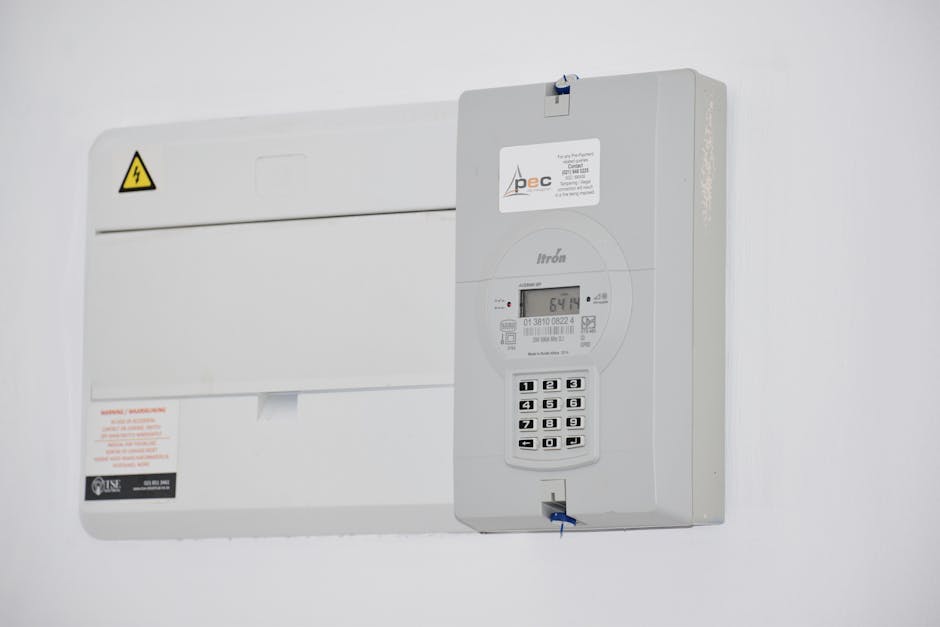
Photo by Akashni Weimers / Pexels
Understanding Your Meter Reader Box: The Basics
Your home's electrical meter reader box is one of those components that most homeowners never think about until something goes wrong. It's the device mounted on the outside of your house that measures your electricity consumption and communicates that data to your utility company. But when you notice it's loose or pushed out of place, the question becomes: can you safely fix it yourself?
The short answer from licensed electricians is almost always no, and there's a very important reason why. Your meter box is connected directly to live electrical lines from the utility company. Even if the main breaker in your home is switched off, the lines leading to your meter are still energized. This is a critical distinction that many homeowners miss.
The Real Danger: Live Power Lines and Electrical Shock
When you look at your meter box, what you're seeing is actually the interface between the utility company's infrastructure and your home's electrical system. The incoming power lines from the utility pole are always live, regardless of whether your home's main breaker is on or off. This is why electricians strongly advise against touching, adjusting, or attempting repairs on this equipment.
The risk of electrocution is genuinely serious. Depending on your location and utility company, the voltage running through those lines could be anywhere from 120 volts to several thousand volts in some cases. Even a brief contact with live wires could result in serious injury or death.
Beyond the shock hazard, there are other concerns:
- Meter boxes are sealed and calibrated equipment. Tampering with them can void warranties and create liability issues.
- Utility companies own the meter itself in most cases. Unauthorized adjustments can result in fines or service disconnection.
- Improper reinstallation could create fire hazards or damage to your electrical system.
What Electricians Recommend Instead
If you notice your meter box is loose, pushed out of place, or damaged, the right approach is straightforward: call a licensed electrician. This isn't an area where DIY saves money—it's an area where it creates serious liability and safety risks.
A professional electrician can safely assess the situation because they understand the proper de-energization procedures and have the training to work around live electrical equipment when necessary. In many cases, the issue might even need to involve your utility company directly.
If the problem is simply a mounting bracket that's come loose, an electrician can address it safely. If there's damage to the meter box itself, you'll likely need to contact your utility company, as they typically handle meter repairs and replacements at no cost to the homeowner.
Common Meter Box Issues and Their Solutions
| Problem | DIY Safe? | What To Do |
| Meter box is loose or pushed out | No | Call a licensed electrician or utility company |
| Water pooling around the meter | No | Contact electrician and utility company immediately |
| Visible cracks or damage to the box | No | Call utility company—they replace damaged meters |
| Dirt or debris on the exterior | Yes | Gently brush off exterior surface only |
| Meter numbers unclear or hard to read | No | Contact utility company for assistance |
| Unusual humming or burning smell | No | Turn off power and call electrician immediately |
When You Absolutely Need Professional Help
There are certain situations where professional intervention isn't just recommended—it's essential. If you notice any of the following, don't attempt any repairs yourself:
- Your meter box has come completely loose from the wall
- You see exposed wiring or damaged connections
- There's signs of water damage, corrosion, or rust
- You hear buzzing, humming, or crackling sounds from the meter
- You smell burning, melting plastic, or unusual odors
- The meter appears to be hot to the touch
In any of these cases, you should contact both a licensed electrician and your utility company. Some issues might be covered under your utility company's maintenance responsibilities, while others may require a qualified electrician to ensure your home's safety.
If you're looking for general electrical safety equipment to have on hand, a non-contact voltage tester can be useful for identifying whether circuits are live, though this shouldn't be used on meter boxes. For general electrical work and maintenance, insulated work gloves are essential protective equipment for any electrical work.
Key Takeaways
- Your meter box receives live power directly from utility lines and cannot be safely touched by homeowners
- The main breaker being off doesn't de-energize the lines feeding your meter
- Meter boxes are sealed, calibrated equipment owned by utility companies
- A loose or damaged meter requires professional assessment and repair
- Most meter replacements are handled by utility companies at no cost
- Always call a licensed electrician if you're unsure about any electrical equipment on your property
FAQs About Meter Box Safety
Can I push my meter back into place if it's slightly loose?
No, you shouldn't attempt this. Even if the displacement looks minor, you could accidentally contact live wires or damage internal components. Call your utility company or a licensed electrician to assess and fix the issue safely. They have the proper training and insurance to handle it.
Is there any part of the meter box that's safe to touch?
Generally, no. The entire meter assembly is connected to live power. While the plastic exterior housing itself might not conduct electricity in most cases, the connections and internal components are dangerous. It's simply not worth the risk when professional help is available.
How much does it cost to have an electrician fix a loose meter box?
If the issue is simply a loose mounting bracket, an electrician visit might cost $100-300 depending on your location and the complexity. However, many meter issues are actually the responsibility of the utility company and may be free. Always contact your utility company first—they often handle meter-related problems at no charge to the customer. If professional work is needed beyond that, an electrician's assessment will give you a clear estimate before proceeding.