Is Your Garage Outlet Installation Safe in 2026? What Electricians Should Know
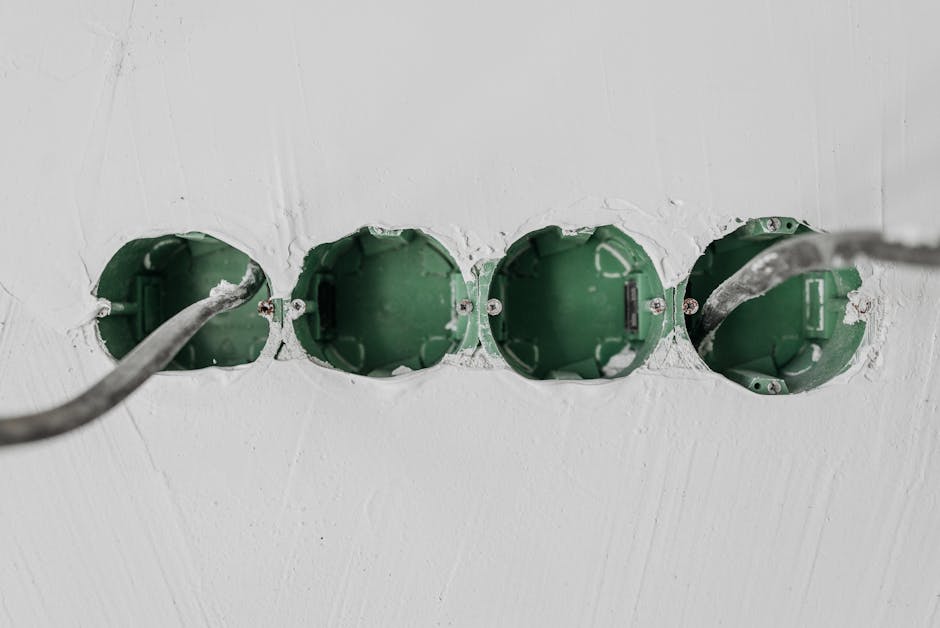
Photo by Pavel Danilyuk / Pexels
Understanding Garage Outlet Safety Standards in 2026
When you hire an electrician to install outlets in your garage, especially for areas like a loft, you're making an investment in both convenience and safety. Many homeowners in 2026 are upgrading their garage electrical systems, but not all installations meet current code requirements. If something looks questionable about your outlet installation, your instincts are likely correct, and it's worth investigating before the work is considered complete.
Garage outlets have specific safety requirements that differ from standard household outlets. These requirements exist because garages present unique electrical hazards, from moisture and temperature fluctuations to the potential for tools and equipment to come into contact with exposed wiring.
What Makes a Garage Outlet Installation Unsafe?
Several common mistakes can make a garage outlet installation unsafe. Understanding these issues will help you evaluate whether your electrician's work meets 2026 standards.
Missing GFCI Protection
All outlets in a garage must be GFCI-protected (Ground Fault Circuit Interrupter). This is non-negotiable. GFCI outlets detect ground faults and shut off power in milliseconds, preventing electrocution. If your electrician installed standard outlets without GFCI protection, this is a serious safety violation and code violation. You can identify a GFCI outlet by the two buttons on its face—"TEST" and "RESET."
In 2026, electrical codes are stricter than ever about GFCI requirements. Your electrician could have installed GFCI outlets directly, or run the circuit through a GFCI breaker at the panel, but one of these must be present.
Improper Wire Routing
How your electrician ran the wire to the loft outlet matters significantly. The wire should be protected inside electrical conduit, not stapled loosely to exposed framing or run haphazardly across the ceiling. Exposed wiring is vulnerable to damage from tools, equipment, or accidentally puncturing the insulation. If the wire runs along unprotected surfaces without conduit or in-wall protection, this is unsafe.
Inadequate Support and Securing
Electrical wires need to be properly secured at regular intervals. They shouldn't sag or hang loosely. Use appropriate cable staples or clips spaced correctly. Loose, unsupported wiring can eventually damage the insulation or create a fire hazard.
Wrong Wire Gauge
The wire gauge must match the circuit breaker amperage. A 15-amp circuit needs 14-gauge wire, while a 20-amp circuit needs 12-gauge wire. Using undersized wire for a higher amperage circuit creates a serious fire hazard. Your electrician should have used appropriately sized wire from your panel to the outlet location.
Common Garage Outlet Installation Mistakes to Watch For
| Issue | Why It's Unsafe | 2026 Code Requirement |
|---|---|---|
| No GFCI protection | Risk of electrocution in damp conditions | All garage outlets must be GFCI-protected |
| Exposed, unprotected wiring | Wire insulation can be damaged by tools or puncturing | Wire must be in conduit or properly protected |
| Undersized wire gauge | Overheating and fire risk | Wire must match breaker amperage |
| Improper outlet box installation | Loose connections, potential arcing | Outlet boxes must be securely mounted and flush |
| No ground connection | Increased shock and equipment damage risk | All circuits must have proper ground |
| Loose or poor connections | Heat buildup, potential fire hazard | All connections must be tight and code-compliant |
Steps to Verify Your Installation
Before signing off on the work, perform these checks on your garage outlet installation:
- Check for GFCI outlets: Look at the outlets themselves. Do they have TEST and RESET buttons? If not, ask your electrician if a GFCI breaker was installed at the panel protecting these circuits.
- Inspect the wire routing: Follow the wire from the outlet back toward your electrical panel. Is it protected in conduit? Is it stapled securely? Does it run through walls properly, or is it exposed in ways that could be damaged?
- Look at the outlet box: The outlet box (also called the electrical box or junction box) should be securely mounted and the outlet should sit flush against the wall. If it's loose or recessed, it's not installed properly.
- Ask about the circuit: What amperage is this circuit? What size wire was used? Your electrician should be able to tell you immediately. If they're vague or evasive, that's a red flag.
- Verify grounding: There should be a green or bare copper ground wire. Check that all connections are present and tight.
What to Do If You Find Problems
If you've identified issues with your garage outlet installation, address them immediately. Don't accept the work until it's corrected. Here's what to do:
First, document everything with photos. Take clear pictures of any concerns—loose wiring, missing GFCI protection, improper conduit installation, whatever looks wrong. This creates a record for your electrician and protects you.
Contact your electrician directly and explain your concerns. Reference specific code requirements. Most professional electricians will correct issues without argument because they understand the safety and legal implications. If your electrician is dismissive or unwilling to fix legitimate code violations, that's a major red flag about their competence.
If the electrician refuses to correct the work, you may need to hire another electrician for a second opinion or to complete the corrections properly. While this costs more, it's necessary for your safety and to ensure your home passes inspection if you ever need permits verified.
In 2026, many jurisdictions require final inspections on electrical work. If permits were pulled for this job, an inspector will verify the installation meets code. If not, the work should still meet current electrical code standards for safety.
Key Takeaways
- All garage outlets must have GFCI protection—either GFCI outlets or a GFCI breaker
- Electrical wire must be properly protected in conduit or within walls, not exposed
- Wire gauge must match your circuit breaker amperage to prevent fire hazards
- All outlets must be securely mounted and flush to walls
- Proper grounding and tight connections are essential
- Get clarification before accepting incomplete or questionable work
- Don't hesitate to hire another electrician if corrections aren't made
FAQs About Garage Outlet Safety
Do I need permits for garage outlet installation?
In most jurisdictions in 2026, yes. Electrical work typically requires permits and inspections. If your electrician didn't mention permits, ask about them. Unpermitted work can affect your home's resale value and may not be covered by your homeowner's insurance if something goes wrong.
Can I use a regular outlet in my garage instead of GFCI?
No. National Electrical Code (NEC) and all state and local codes in 2026 require GFCI protection for all garage outlets. This is not optional. Using non-GFCI outlets violates code and creates serious shock hazards, especially in damp garage environments.
What's the difference between a GFCI outlet and a GFCI breaker?
A GFCI outlet has the protection built into that single outlet (though it can protect other outlets downstream on the same circuit). A GFCI breaker at your main panel protects the entire circuit. Both work, but a GFCI breaker is more efficient if protecting multiple outlets. Either way, protection must be present.