Safety Razors in 2026: How to Save Hundreds on Shaving Costs
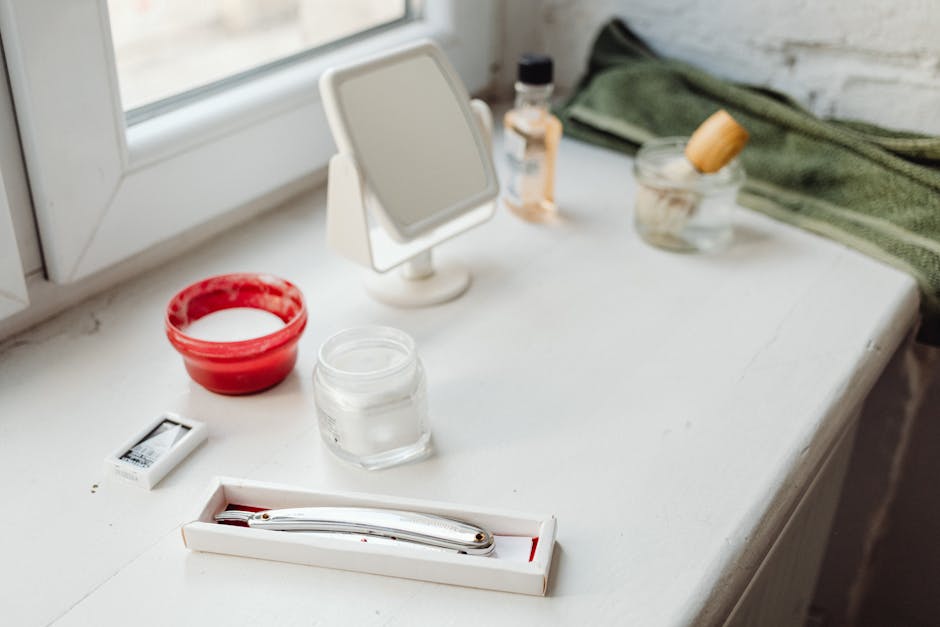
Photo by www.kaboompics.com / Pexels
The Real Cost of Your Current Shaving Routine
If you're still using disposable razors in 2026, you're likely hemorrhaging money without even realizing it. Most people spend between $100 and $200 annually on shaving supplies, which adds up to thousands over a lifetime. A single pack of premium disposable razors can cost $15 to $25, and these cartridges only last a few weeks before they become dull and need replacing.
The numbers get even more shocking when you do the math over decades. By the time you reach retirement, you could have spent $5,000 to $10,000 on something as simple as keeping your face smooth. For anyone serious about frugal living, this is an obvious place to cut expenses without sacrificing quality.
What Are Safety Razors and How Do They Work?
A safety razor is essentially a metal handle that holds a single-blade cartridge, which you can swap out when it becomes dull. Unlike disposable razors with multiple blades welded together, safety razors use replaceable blades that are incredibly affordable and easy to change. The initial investment is modest—most quality safety razor bodies cost between $20 and $50.
Once you own the handle, your only recurring expense is replacement blades. A standard pack of safety razor blades costs $10 to $15 and contains 100 blades, which can last most people 8 to 10 years depending on shaving frequency and hair type. This is where the massive savings kick in compared to disposable alternatives.
The Investment Breakdown
- Safety razor body: $20-$50 (one-time purchase, lasts 20+ years)
- Blade pack (100 blades): $10-$15 (lasts 8-10 years)
- Shaving cream or soap: $5-$10 (similar to what you'd spend anyway)
- Brush (optional): $10-$30 for quality options
When you add it all up, your total investment to get started is under $100, and your annual shaving costs drop to just $1-$2 for blades alone.
How Much Can You Actually Save?
Let's compare the real numbers for 2026. A person who shaves regularly using disposable razors spends roughly $150 per year on cartridges and related products. After switching to a safety razor system, that number plummets to approximately $10 per year in blade replacements.
Over a 40-year period, the difference is staggering: you'd spend $6,000 on disposables versus roughly $400 on safety razor blades. That's a potential savings of $5,600—money that could go toward debt payoff, retirement savings, or other financial goals.
| Category | Disposable Razors | Safety Razors |
|---|---|---|
| Initial Cost | $0 | $25-$50 |
| Annual Cost | $150 | $10 |
| 5-Year Total | $750 | $100 |
| 10-Year Total | $1,500 | $150 |
| 20-Year Total | $3,000 | $300 |
Mastering the Proper Technique
One of the biggest misconceptions about safety razors is that they're difficult or dangerous to use. In reality, they're remarkably user-friendly once you understand the proper technique. The key is using a light touch and maintaining the correct angle.
The 45-Degree Rule
When using a safety razor, hold the handle at approximately a 45-degree angle to your skin. This angle allows the blade to cut hair efficiently without digging in or causing irritation. Many beginners make the mistake of holding it too perpendicular or too flat, which reduces effectiveness and increases the risk of nicks.
Start with minimal pressure—let the weight of the razor do the work. You shouldn't be pushing hard against your face. Instead, use smooth, controlled strokes in the direction of hair growth. Taking your time is crucial. A 2-3 minute shave might feel slow compared to an electric razor, but you'll get superior results and a closer shave.
Tips for Success
- Always shave after a hot shower when pores are open and hair is softened
- Use quality shaving soap or cream to protect your skin
- Apply a light pre-shave oil if you have sensitive skin
- Practice on non-visible areas first if you're nervous
- Replace blades every 5-7 shaves for best results
- Store your razor in a dry location to prevent rust
When to Consider Alternatives
While safety razors are excellent for most people, they're not universally the best option. If you have very coarse facial hair or sensitive skin that reacts poorly to manual shaving, an electric razor might be worth considering. Electric shavers eliminate the learning curve and reduce the risk of cuts, though they typically cost more upfront and have ongoing battery or charging costs.
Some people find that electric razors don't provide as close a shave, while others prefer the convenience and speed despite the slightly higher cost compared to safety razors. The decision ultimately depends on your personal preferences and skin type.
The Environmental Benefits You Shouldn't Ignore
Beyond the financial savings, safety razors offer significant environmental advantages. Disposable razors generate enormous amounts of plastic waste. Each razor contains multiple plastic components that end up in landfills, and most recycling facilities can't process them due to the mixed materials involved.
In contrast, safety razor blades are made from stainless steel and can be recycled through standard metal recycling programs. Many communities have blade disposal boxes or mail-in programs specifically for safety razor blades. The plastic packaging for a 100-blade pack is minimal compared to dozens of plastic disposable razors.
If you're environmentally conscious, switching to a safety razor aligns your spending habits with your values. You'll reduce your personal plastic consumption significantly while also enjoying those impressive financial benefits.
Key Takeaways
- Safety razors offer potential savings of $5,000+ over a 40-year period compared to disposable razors
- Initial investment is under $50 for a quality razor body and starter blade pack
- Ongoing costs are approximately $10 per year in blade replacements
- Proper technique is straightforward: 45-degree angle, light pressure, and patience
- The environmental impact is significantly lower than disposable razor systems
- Most people can transition successfully with minimal practice
Frequently Asked Questions
How long does one safety razor blade last?
Most safety razor blades last between 5 and 7 shaves before becoming dull. Some users with finer hair can stretch it to 10 shaves, while those with coarse hair might need to change blades more frequently. Quality matters—premium blades from reputable brands tend to last longer than budget options. Blade longevity also depends on your beard density, water hardness, and how well you maintain your razor.
Is it easy to cut yourself with a safety razor?
Safety razors are actually designed to minimize cuts compared to straight razors. The safety bar prevents the blade from digging too deeply into your skin. Most nicks occur when people apply too much pressure or move too quickly. With proper technique and a light touch, cuts are rare. Beginners typically experience a slightly higher rate of minor nicks during the learning phase, but this usually resolves within a few weeks.
Can women use safety razors for leg shaving?
Absolutely. Many women have switched to safety razors for legs, underarms, and bikini lines. Some prefer lighter-weight models designed specifically for women's shaving. The learning curve is identical to men's facial shaving, and the cost savings are equally impressive. Women often report that safety razors provide a closer shave and cause less irritation than disposable razors, especially for sensitive areas.