Truffle Oil Guide 2026: When to Use It and Why It Ruins Your Food
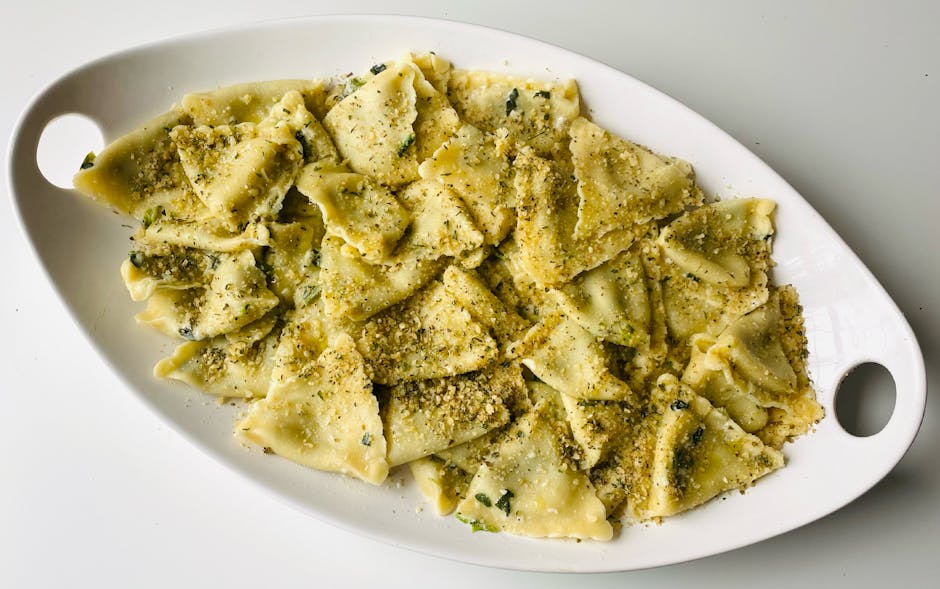
Photo by I Own My Food Art / Pexels
The Truffle Oil Problem: Why Your Food Tastes Worse
If you've ever dumped truffle oil into a pasta dish only to find it tastes like a chemical bomb went off in your mouth, you're not alone. The overwhelming funk of truffle oil has become one of the most common cooking frustrations in home kitchens, and honestly, there's a good reason for it. Most commercial truffle oils aren't even made from real truffles—they're made with synthetic truffle flavoring that tastes exactly like what it is: artificial and aggressively one-note.
The real issue is understanding that truffle oil isn't meant to be a primary ingredient or even a generous drizzle. It's a finishing oil, and like most finishing oils, a little goes an incredibly long way. When you use too much, it completely dominates every other flavor on your plate, making your beautiful dish taste like you poured perfume over it.
Real Truffles vs. Truffle Oil: What's Actually in the Bottle?
Here's the hard truth: most truffle oil sitting on grocery store shelves contains zero actual truffles. Instead, it's vegetable oil (usually olive oil) infused with 2,4-dithiapentane, a synthetic compound that mimics the smell of real truffles. Real truffles are astronomically expensive—we're talking $1,500 to $3,000 per pound—so manufacturers created this chemical substitute to give consumers the truffle experience at a fraction of the cost.
The problem? This synthetic flavor is incredibly potent and one-dimensional. It doesn't have the subtle complexity of real truffle. Real black or white truffles have earthy, nutty, and slightly garlicky notes with a delicate aroma. Synthetic truffle oil tastes like someone turned the volume up to 11 on one specific flavor note.
If you want something closer to the real deal, look for truffle-infused oils made with actual truffle pieces, but be prepared to pay significantly more. Some artisanal producers actually infuse real truffles into oils, and the flavor profile is noticeably different—more nuanced and less aggressive.
When to Actually Use Truffle Oil (And How Much)
The key to not hating truffle oil is understanding its proper application. Think of it like hot sauce or anchovy paste—it's not a cooking ingredient, it's a finishing ingredient used in tiny amounts to add depth and complexity.
Best Uses for Truffle Oil in 2026
- Creamy soups: A single drizzle over butternut squash soup or mushroom bisque adds earthiness without overwhelming the dish
- Mashed potatoes: Mix in just a teaspoon or two, not a tablespoon
- Risotto: Finish with a tiny amount after cooking is complete
- Scrambled eggs: A few drops, literally, can enhance the richness
- Pasta with light sauces: The key is pairing it with simple dishes that won't compete with it
- Grilled vegetables: A light brush after cooking, not before
- Pizza crust: Brush the edge before serving
The Amount That Actually Works
This is crucial: if you're measuring truffle oil in tablespoons or even teaspoons, you're using too much. Start with drops. Literally quarter-teaspoon amounts for an entire dish. You should barely smell it when you first open the bottle's cap—if you immediately get hit with a strong aroma, that's a sign it's going to be overpowering in your food.
For a truffle oil dispenser bottle with a dropper, you can control the amount much better than with a regular pour spout. This simple tool has saved many home cooks from accidentally ruining their meals.
Comparison: Truffle Oil vs. Other Finishing Oils
Let's put truffle oil in context with other finishing options available in 2026:
| Finishing Oil | Flavor Profile | Best For | Cost | How Much to Use |
|---|---|---|---|---|
| Truffle Oil (Synthetic) | Overwhelming, fungal, one-note | Minimal finishing only | $8-15 | Few drops per dish |
| Truffle Oil (Real) | Complex, earthy, nutty | Premium finishing dishes | $25-50 | Teaspoon per serving |
| Infused Olive Oil | Garlic, herb, or pepper flavors | Salads, bread, pasta | $6-12 | 1-2 tablespoons |
| Walnut Oil | Nutty, subtle, warm | Salads, roasted vegetables | $8-14 | 1-2 tablespoons |
| Sesame Oil | Nutty, toasted, assertive | Asian dishes, finishing soups | $5-10 | Teaspoon to tablespoon |
| High-Quality Extra Virgin Olive Oil | Fruity, peppery, versatile | Almost everything | $10-30 | 1-3 tablespoons |
Common Truffle Oil Mistakes (And How to Avoid Them)
Mistake #1: Using it as a Cooking Oil
Never, ever cook with truffle oil. The heat destroys whatever delicate flavors exist and amplifies the synthetic taste. Always add it after cooking is complete or drizzle it on the finished plate. If a recipe calls for cooking with truffle oil, that recipe is wrong.
Mistake #2: Adding it to Already Flavorful Dishes
Truffle oil needs a neutral canvas to shine. That means it works on pasta with light sauce, plain potatoes, or simple eggs—not on your spicy curry or heavily seasoned stew. The truffle flavor will get lost or clash with the existing flavors.
Mistake #3: Buying the Cheapest Bottle
There's a huge difference between a $5 bottle and a $15 bottle of truffle oil. The cheaper versions have even more aggressive synthetic flavoring. If you're going to use it, invest in a slightly better brand. Check the ingredients list—anything listing "truffle flavor" or "2,4-dithiapentane" is the synthetic version. Look for bottles that mention actual truffle content or truffle pieces.
Mistake #4: Storing it Wrong
Truffle oil goes bad quickly, especially the oil-based versions. Store it in a dark glass bottle away from heat and light. Use it within 6-8 months of opening. A bottle sitting in your pantry for two years is going to taste significantly worse than when you first bought it.
Key Takeaways: Making Peace with Truffle Oil
- Truffle oil is a finishing ingredient, not a cooking ingredient—use it in drops, not drizzles
- Most commercial truffle oil contains synthetic flavoring, not real truffles, which is why it tastes so aggressive
- Pair truffle oil with simple, neutral dishes like creamy soups, plain pasta, or mashed potatoes
- Store properly in a cool, dark place and use within 6-8 months of opening
- When in doubt, use less—you can always add more, but you can't take it out
Frequently Asked Questions
Is truffle oil actually bad for you?
No, truffle oil isn't bad for you in normal amounts. It's just oil with flavoring. The issue isn't health—it's taste. Synthetic truffle flavoring is approved by the FDA and is the same compound used in many foods. The real problem is using too much and ruining your dishes.
Can you make truffle oil at home?
Not really, at least not with actual truffle flavor. You could infuse olive oil with truffle pieces if you wanted to spend the money, but that gets expensive quickly. Most home cooks are better off buying a small bottle of quality truffle oil and using it sparingly rather than attempting homemade versions.
What's a good substitute for truffle oil if I hate it?
If truffle oil just isn't your thing, try mushroom-infused oil for earthy depth, or stick with garlic-infused or herb-infused olive oils. These give you complexity without the overwhelming funk. For soups and risottos, a drizzle of good quality extra virgin olive oil or walnut oil can provide the finishing touch you're looking for without the aggressive synthetic flavor.