Trust the Process: 7 Recipes That Always Seem to Fail But Turn Out Perfect in 2026
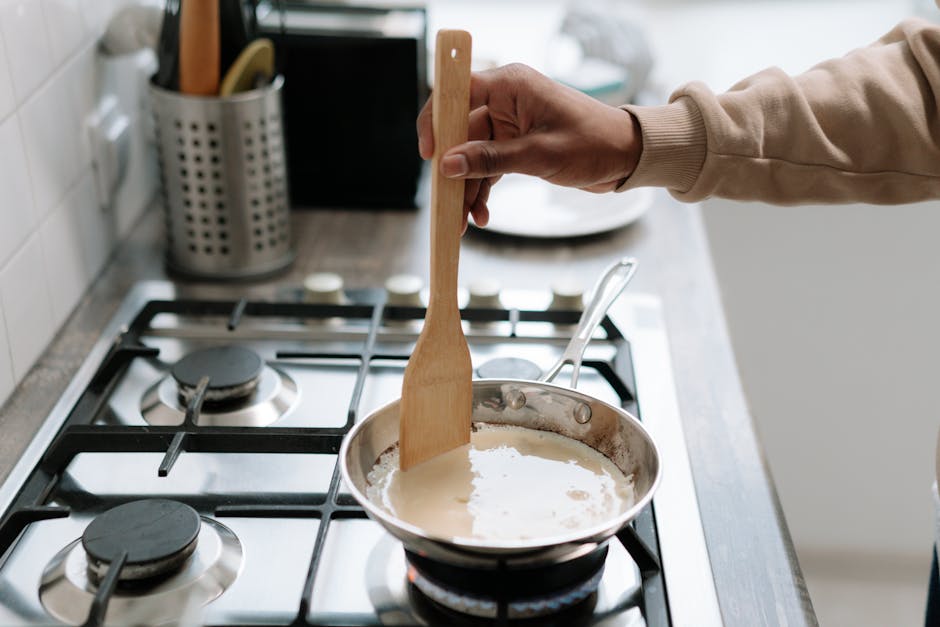
Photo by cottonbro studio / Pexels
The Art of Trusting Your Recipe: Why Some Dishes Scare You Mid-Cook
There's something uniquely stressful about cooking a dish where the intermediate steps look absolutely disastrous. You're halfway through, stirring frantically, and thinking, "I've definitely ruined this." Yet somehow, when the timer goes off or the last ingredient gets added, everything comes together perfectly. These are the trust the process recipes that have become kitchen staples for experienced cooks in 2026.
The beauty of these recipes lies in their chemistry. What appears to be a culinary catastrophe is actually a controlled transformation happening right in front of you. The starches are gelatinizing, the proteins are setting, the flavors are melding. Understanding this helps reduce the anxiety.
Risotto is the quintessential example of this phenomenon. For years, home cooks have been making this Italian rice dish, and almost every single time, there's that moment of panic around the midway point when the rice looks like a starchy, soupy mess. But patience and the gradual absorption of broth create magic by the end.
Risotto: The Classic "Oh No" Dish That Always Works Out
Risotto deserves special attention because it's the recipe that started this entire conversation. If you've never made it before, here's what to expect: You're going to stand at your stove for about 20 minutes, constantly stirring rice while gradually adding warm broth. The rice will go from dry to soupy to creamy, and yes, there will be a moment—usually around minute 12—where you genuinely question your life choices.
The key to risotto success is understanding what's actually happening. As you stir, the rice grains release starch, which emulsifies with the broth and butter to create that signature creamy texture. This is why you can't rush it, and why you absolutely cannot stop stirring.
To make proper risotto, you'll need a good heavy-bottomed risotto pan or large saucepan. Medium-grain rice like Arborio or Carnaroli works best—these varieties have the right starch content. Keep your broth warm in a separate pot using a small heating element or on low heat.
Start by sautéing minced onion and garlic in butter and olive oil. Add your rice and toast it for a couple of minutes—this is crucial. Then begin adding warm broth one ladle at a time, stirring frequently. Only add the next ladle when the previous liquid has been mostly absorbed. This gradual process takes about 18-20 minutes total. By the end, you should have creamy, dreamy risotto that looks nothing like that panicked moment halfway through.
Other Recipes That Require Faith in the Process
Risotto isn't alone in this category. Several beloved recipes follow the same pattern of looking wrong before they're right.
Bread Baking
Sourdough and other artisan breads are notorious for their intermediate panic-inducing phases. The dough ferments, it bubbles, it smells strong, it doesn't rise the way you expect—and then it transforms into crusty, delicious bread. Getting a good Dutch oven for bread baking helps create steam in the oven, which is essential for achieving that perfect crust.
Hollandaise Sauce
This classical French sauce requires whisking egg yolks with butter over gentle heat. It breaks easily, it looks separated, it looks grainy—and then suddenly it's glossy and perfect. One wrong move feels catastrophic, but understanding emulsification makes it less scary.
Mozzarella Making
If you've ever made fresh mozzarella at home, you know the texture transformations are wild. The curds and whey separate in ways that seem totally wrong, then you're stretching what looks like scrambled eggs until it becomes smooth, elastic cheese. Using a cheese-making thermometer helps you nail the temperatures.
Beef Stew
Initially, your stew looks like a sad, grease-laden mess of undercooked vegetables and tough meat. But after hours of slow cooking, those ingredients transform into tender, flavorful comfort in a bowl.
Meringue Cookies
Watching egg whites transform into glossy peaks and then into crispy cookies requires serious trust. They look weepy and delicate at various stages, but nailing the baking time creates those perfect chewy-crispy textures.
Caramel
Sugar starts solid, becomes liquid, then darkens as you watch. There's a razor-thin line between perfect caramel and burnt sugar, and you can't remove it from heat and check it like other recipes. You have to trust your timing and your eyes.
Why These Recipes Teach Us Cooking Wisdom for 2026
Beyond just producing delicious food, these trust the process recipes teach valuable lessons about cooking in general. They remind us that many cooking techniques involve transformations that are invisible to the naked eye until the final stages.
Temperature control matters immensely. Most recipes that look wrong mid-process are actually at the exact right temperature, even though it doesn't look like it. Investing in a good instant-read thermometer can help you verify this without second-guessing yourself.
Time matters too. Many of these recipes have specific timing requirements because that's when chemical reactions complete. Rushing them doesn't save time—it ruins them. Patience becomes an ingredient itself.
Following the recipe precisely matters more than with some other dishes. Unlike more forgiving recipes where you can eyeball ingredients, recipes like risotto and hollandaise require careful attention to ratios, temperatures, and timing. This is where having reliable measuring tools makes a real difference.
Troubleshooting Common "Oh No" Moments
Even when you're expecting a rough middle phase, actually experiencing it can be nerve-wracking. Here's how to handle the most common panic moments:
- For Risotto: If it looks too soupy at the end, add less broth next time. If it's too thick, you can always whisk in a splash of broth at the very end. The rice should flow slightly on the plate, not stand at attention.
- For Sauces: If hollandaise breaks, start with a fresh egg yolk in a clean bowl and slowly whisk in the broken sauce to fix it. It's a last-resort move but works surprisingly often.
- For Bread: If your dough isn't rising, your kitchen might be too cold. Try placing it in a slightly warmed oven with the light on, or use a proofing box to maintain consistent temperature.
- For Caramel: If it darkens too fast, place the pan in an ice bath immediately to stop cooking. For next time, use medium-low heat and stay patient.
Key Takeaways
- Recipes that look disastrous mid-cook are often exactly on track—understanding the chemistry helps you trust the process
- Risotto is the quintessential trust-the-process recipe because of visible starch release and gradual absorption
- Bread baking, hollandaise, mozzarella, stews, meringues, and caramel all follow similar transformation patterns
- Precise temperature control and timing are critical for these recipes; measuring tools are essential investments
- Trusting the process teaches patience and precision, making you a better cook overall
FAQs About Trust-the-Process Recipes
Why does risotto look soupy halfway through if it's supposed to turn out creamy?
The rice grains are actively releasing starch into the broth, which is the emulsifying agent. As you continue adding broth and stirring, this starch-laden liquid is gradually absorbed by the remaining rice, creating creaminess. It's not soupy in the final stages—it's emulsifying.
Can I make these recipes without standing over the stove the whole time?
Not really, for most of them. Risotto specifically requires constant stirring to ensure even cooking and starch release. Recipes like bread and stews are more forgiving about hands-on time, but even these need regular attention. That's part of what makes them special—they demand presence and care.
How do I know when these recipes are actually done if they look wrong in the middle?
This is where recipe timing and visual cues become your guides. For risotto, taste the rice—it should be creamy but the grains should still have slight bite. For sauce, it should coat the back of a spoon. For bread, it should sound hollow when tapped. For stew, the meat should be fork-tender. Experience teaches you to recognize these endpoints.