Unpermitted Additions in 2026: Should You Walk Away? Complete Buyer's Guide
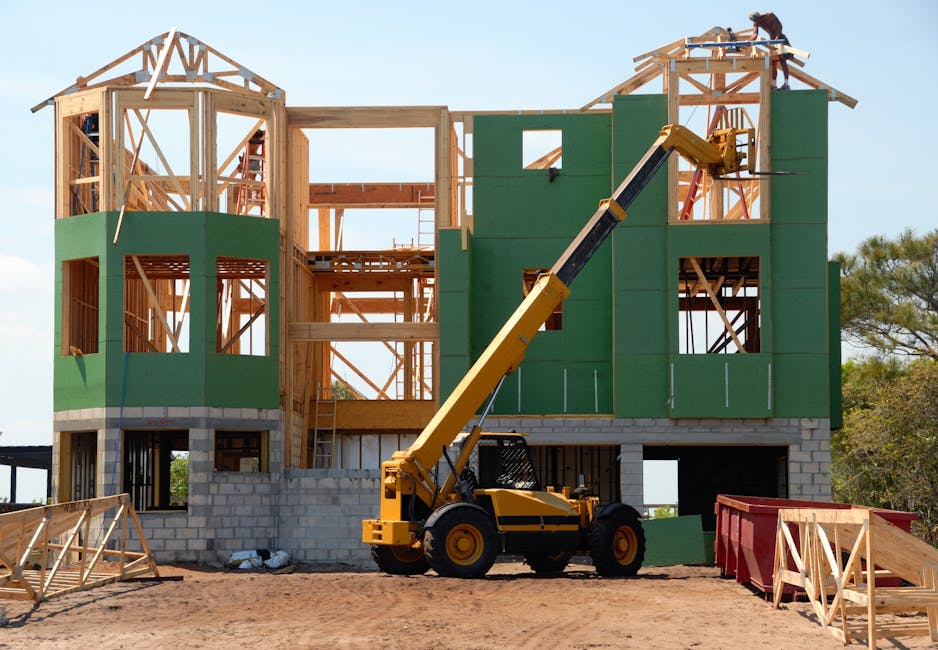
Photo by Pixabay / Pexels
Understanding Unpermitted Additions in 2026
Buying a home with unpermitted additions has become an increasingly common dilemma for first-time homebuyers in 2026. The situation facing many California purchasers involves dealing with extra bedrooms, bathrooms, or room expansions that were never officially approved by local building departments. While these additions might increase the home's usable space and appeal, they come with significant hidden costs and complications that extend far beyond the initial purchase price.
An unpermitted addition typically means that work was completed without proper inspection, approval, or adherence to local building codes. This could involve structural changes, electrical work, plumbing, or HVAC modifications. In California, where building codes are particularly strict, this becomes a major concern for lenders, insurers, and future buyers.
The Real Financial Impact of Unpermitted Work
The financial consequences of unpermitted additions extend well beyond what most first-time buyers anticipate. While you might save money upfront by purchasing a home with existing additions rather than paying for new construction, the long-term costs can be substantial.
Financing Challenges
Most mortgage lenders in 2026 will flag unpermitted additions during the appraisal process. Many lenders won't approve financing on a property with significant undisclosed or unresolved unpermitted work. This could mean:
- Your loan application gets denied entirely
- The lender requires a significant down payment increase
- You face higher interest rates due to increased risk
- The appraisal comes in lower than expected, requiring renegotiation
If you're planning to refinance later, these issues become even more problematic. A 2026 refinance application will almost certainly require permits or proof of retroactive permitting before approval.
Retroactive Permitting and Remediation Costs
Bringing unpermitted work into compliance isn't cheap. The process typically involves:
- Hiring a licensed contractor to assess the work ($500-$2,000)
- Obtaining retroactive permits ($500-$5,000 depending on jurisdiction)
- Having unpermitted work inspected by building officials
- Making corrections if work doesn't meet current code (potentially $10,000-$50,000+)
- Final inspections and sign-offs ($500-$2,000)
For a 200 square foot addition with a full bathroom, you're looking at anywhere from $5,000 to $25,000 or more to properly permit and potentially remediate. If structural issues are discovered during inspection, costs could skyrocket.
Insurance and Liability Concerns
Insurance companies take unpermitted additions very seriously in 2026. Many policies specifically exclude coverage for unpermitted work. This means:
- If there's a fire in the unpermitted addition, your claim could be denied
- Liability coverage might not apply to those areas
- Your homeowner's insurance premiums could increase significantly
- Some insurers will refuse to cover the property entirely until permits are resolved
A water heater failure or electrical fire in an unpermitted bathroom could result in zero insurance coverage, leaving you personally liable for tens of thousands in damages.
Comparison: Permitted vs. Unpermitted Additions
| Factor | Permitted Addition | Unpermitted Addition |
|---|---|---|
| Financing Approval | Straightforward, standard rates | Difficult, may be denied or require higher down payment |
| Insurance Coverage | Full coverage included | May be excluded or denied |
| Resale Value Impact | Increases home value appropriately | Decreases value or creates liability for next buyer |
| Inspection Results | Documented compliance with codes | Unknown code compliance |
| Remediation Costs | None (already compliant) | $5,000-$50,000+ |
| Refinancing Options | No complications | Requires permits before refinancing |
| Liability Risk | Minimal | Significant personal liability |
When to Walk Away in 2026
Not all unpermitted additions are created equal. Consider walking away from the deal if:
Red Flags That Warrant Walking Away
- Structural modifications - Walls removed, beams added, or foundation work without permits indicate serious code violations
- Multiple unpermitted systems - Electrical, plumbing, and HVAC all done without permits suggests comprehensive corner-cutting
- Seller won't disclose details - If they can't or won't explain what was done, you can't assess the risk
- Lender expresses serious concerns - Your lender knows the market; if they're hesitant, there's likely a good reason
- Very old unpermitted work - Additions done 20+ years ago might not meet current codes, requiring complete remediation
- Signs of poor workmanship - Uneven walls, shoddy electrical outlets, or plumbing leaks suggest DIY or unlicensed contractor work
When You Might Proceed Cautiously
Some unpermitted situations are more manageable. You might consider moving forward if:
- The work is relatively recent and appears to be of good quality
- The seller agrees to cover retroactive permitting costs
- The additions are minor (like a bathroom addition to an existing room)
- Your lender has already indicated they'll approve the loan
- You have a detailed inspection confirming code compliance
- You're purchasing significantly below market value to account for remediation costs
Key Takeaways
- Unpermitted additions create serious financing, insurance, and resale complications that go far beyond the initial savings
- Retroactive permitting and potential remediation can cost $5,000 to $50,000+ depending on the scope of work
- Most mortgage lenders in 2026 will flag these issues during underwriting, potentially derailing your loan approval
- Insurance companies may deny coverage for unpermitted areas, leaving you with personal liability
- Get a detailed inspection from a licensed contractor specifically assessing code compliance before making a final decision
- Always factor remediation costs into your offer price if you decide to proceed
Practical Steps Before Making Your Decision
If you're seriously considering a property with unpermitted additions, take these steps:
- Request detailed documentation from the seller about what was added and when
- Hire a licensed general contractor to inspect the unpermitted work specifically ($1,000-$3,000 for detailed assessment)
- Contact your local building department to understand retroactive permitting requirements and costs
- Confirm with your lender that they'll approve the loan as-is or after remediation
- Get quotes from contractors on bringing the work into compliance
- Speak with your insurance agent about coverage implications
- Have a real estate attorney review the disclosure and advise you on liability
For this particular California home in 2026, the combination of unpermitted additions plus the old AC unit plus potential load-bearing wall removal creates a significant financial and structural risk. The extra $5,000 in closing costs won't offset potential remediation costs of $15,000-$30,000 or more.
Frequently Asked Questions
Can I get a mortgage on a house with unpermitted additions?
It depends on your lender and the scope of work. Some lenders will approve loans if you agree to bring the work into compliance within a specific timeframe. Others will deny the application entirely. FHA loans, in particular, have strict requirements about unpermitted work. Always disclose unpermitted additions to your lender immediately; hiding them can result in loan fraud charges.
Will unpermitted additions hurt my resale value?
Absolutely. Most buyers in 2026 will either walk away or demand significant price reductions. You're essentially passing the liability and remediation costs to the next buyer. If you don't disclose the unpermitted work, you face legal liability. If you do disclose it, you'll struggle to sell at full value.
What's the difference between unpermitted and illegal additions?
Unpermitted work means permits weren't obtained, but the work might still be compliant with codes. Illegal additions typically involve code violations—like adding a bedroom without egress windows or a bathroom without proper ventilation. Unpermitted work can often be remediated through retroactive permitting. Illegal work might require significant reconstruction to meet current codes.