Vinegar in American Food 2026: Traditional Recipes & Modern Twists
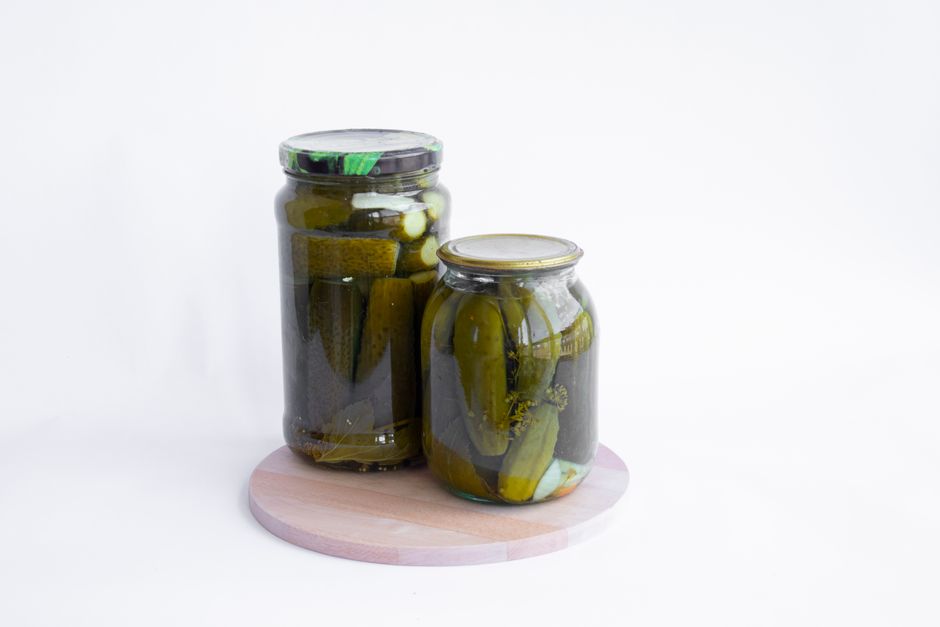
Photo by Леся Терехова / Pexels
The Underrated Role of Vinegar in American Cuisine
When we think about vinegar in cooking, Asian cuisines with their balance of sweet and sour, or Mexican food with vibrant pickled garnishes, often come to mind first. But American cuisine has its own rich tradition of vinegar-forward recipes that are deeply embedded in regional food culture. From the Deep South to New England, vinegar plays a crucial role in creating authentic flavors that Americans have enjoyed for generations.
The surprising truth is that vinegar isn't just a condiment in American kitchens—it's a foundational ingredient. Whether it's the tangy bite in coleslaw, the backbone of barbecue sauce, or the preservative in pickled vegetables, vinegar defines some of America's most iconic dishes. In 2026, home cooks are rediscovering these traditional recipes while also experimenting with craft vinegars and modern interpretations.
Classic American Vinegar-Based Recipes
Barbecue Sauces
Perhaps the most prominent vinegar-forward American dish is barbecue sauce, particularly in the Carolinas. Vinegar BBQ sauce is a regional staple that varies significantly by geography. North Carolina's Eastern-style BBQ sauce is almost entirely vinegar-based with just heat and spices, while Western Carolina versions add tomato and brown sugar. The vinegar cuts through the richness of smoked meat, balancing the flavors perfectly.
Making barbecue sauce at home is simple but requires quality ingredients. apple cider vinegar is traditional, though some recipes use distilled white vinegar for a sharper bite. The acid in vinegar not only adds flavor but also acts as a preservative, allowing homemade sauces to last longer in the refrigerator.
Pickled Vegetables & Relishes
American pickle culture deserves recognition alongside international examples. Dill pickles, bread and butter pickles, and pickled relishes are staples in American cuisine. The difference between a pickle and a regular cucumber is vinegar—it's what transforms the vegetable through fermentation and preservation. Classic recipes call for white distilled vinegar, though cider vinegar versions are becoming popular in artisanal applications.
Beyond cucumbers, Americans pickle everything from onions to green tomatoes. These pickled vegetables appear on charcuterie boards, serve as condiments for sandwiches, and accompany main dishes in traditional settings. A good pickling jar set makes home preservation accessible to modern cooks.
Coleslaw
Southern coleslaw is fundamentally a vinegar-based dish. Unlike creamy coleslaw variations popular in some regions, traditional coleslaw relies on a tangy vinegar dressing combined with a small amount of sugar. This vinegar slaw pairs perfectly with barbecue and serves as a palate cleanser between bites of rich, smoked meat.
The beauty of vinegar slaw is its versatility. White vinegar provides a sharp bite, while apple cider vinegar adds subtle sweetness and complexity. The acid softens the raw cabbage while the minimal dressing keeps the dish light and refreshing.
Hot Sauces & Hot Wings
While you mentioned hot sauce in your question, it's worth noting that American hot sauces often incorporate vinegar as a key component. Louisiana-style hot sauce, for instance, combines vinegar with peppers and spices. Buffalo wings, an American innovation, are traditionally tossed in a vinegar-based hot sauce that gives them their characteristic tangy heat.
Regional Vinegar Traditions Across America
Different regions of the United States have developed distinct relationships with vinegar:
- The Carolinas: Vinegar-based BBQ sauce is almost religious in importance, with passionate debates about which style is superior
- The South: Vinegar appears in everything from fried chicken batter to collard greens, providing acidity and depth
- New England: Pickled vegetables and vinegar-based condiments were essential preservation methods in colder climates
- The Midwest: Sweet pickles and bread-and-butter style pickles reflect a preference for balanced sweet and sour flavors
- The South: Chow-chow and other vegetable relishes use vinegar as a primary ingredient for preservation and flavor
Vinegar Types for American Cooking
| Vinegar Type | Flavor Profile | Best Uses | Acidity Level |
|---|---|---|---|
| White Distilled | Sharp, clean, neutral | Pickles, basic BBQ sauce, fried fish | 5-7% |
| Apple Cider | Fruity, mild, complex | Carolina BBQ, coleslaw, hot sauce | 4-6% |
| Rice Vinegar | Delicate, slightly sweet | Asian-fusion American dishes | 4-5% |
| Malt Vinegar | Toasty, slightly sweet | Fish and chips vinegar, British-American | 4-5% |
| Balsamic | Sweet, rich, complex | Modern twists on traditional dishes | 6% |
Modern Interpretations in 2026
As we move through 2026, American cooks are blending traditional vinegar recipes with contemporary techniques. Craft vinegars—small-batch, specialty varieties made from wine, cider, or even kombucha—are gaining popularity among home cooks who want to elevate traditional dishes.
Modern versions of classic recipes might include infused vinegars in traditionally simple dishes. A chef might add house-made herb or pepper vinegar to classic coleslaw, or use aged balsamic in a BBQ sauce for additional complexity. These twists honor the original recipes while pushing American cuisine forward.
Additionally, the farm-to-table movement has renewed interest in preservation and pickling, making vinegar-based recipes not just nostalgic but fashionable. Home pickling kits and fermentation supplies are increasingly common in modern kitchens.
Key Takeaways
- Vinegar is foundational to American cuisine, particularly in Southern and regional cooking traditions
- Carolina barbecue sauce, pickled vegetables, and vinegar-based coleslaw are quintessentially American dishes
- Different regions developed distinct relationships with vinegar based on climate, immigration patterns, and available ingredients
- Apple cider vinegar and white distilled vinegar are the workhorses of traditional American recipes
- Modern 2026 food trends blend traditional vinegar recipes with craft vinegars and contemporary techniques
Frequently Asked Questions
What is the most vinegar-forward American dish?
Arguably, North Carolina's eastern-style barbecue sauce is the most vinegar-forward American dish. It's primarily vinegar-based with minimal other ingredients, allowing the tangy acid to shine as the main flavor profile. The sauce is essential to the dish's identity and has been passed down through generations.
Can I substitute different vinegars in traditional American recipes?
Yes, but with caution. Apple cider vinegar can often replace white vinegar with more complex flavor. However, balsamic vinegar is too sweet for traditional BBQ sauce, and rice vinegar is too delicate for pickles. The best approach is to understand how different vinegars will affect the final flavor before substituting.
How did vinegar become so important in American cooking?
Vinegar was essential for food preservation before refrigeration, particularly in pickling vegetables. Additionally, immigrant communities, especially from the South and Scotland, brought vinegar-based cooking traditions. Over time, these practical preservation methods became cultural traditions and flavor preferences that persist today.