Why Vintage 90s Jeans Beat Modern Brands in 2026: The Quality Crisis Explained
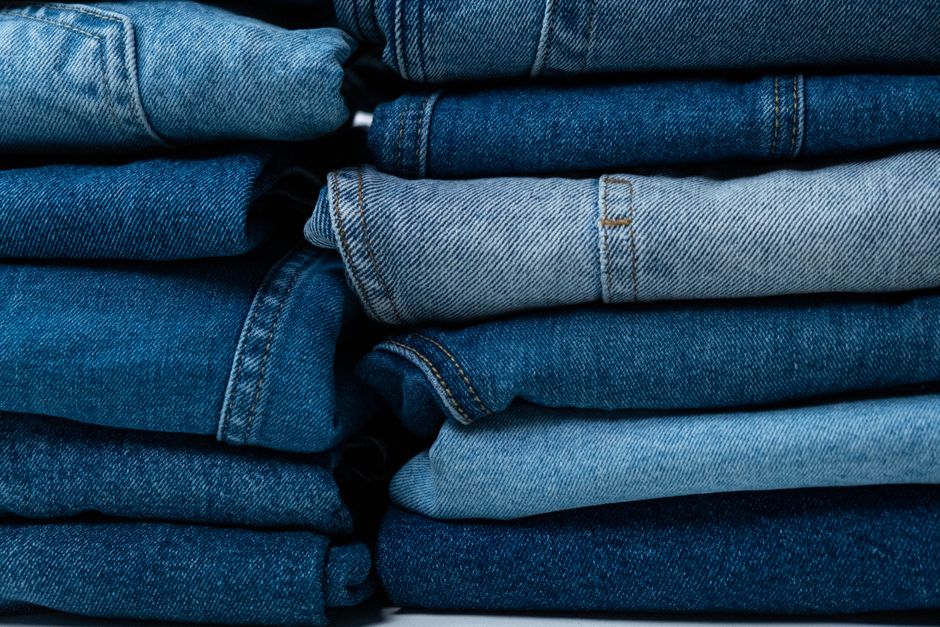
Photo by cottonbro studio / Pexels
The Denim Quality Problem in 2026
If you've shopped for jeans recently, you've probably noticed something disturbing: quality has tanked. What was once a basic staple—affordable, durable denim—has become a luxury item. Today in 2026, you're expected to spend $150 to $300 on a pair of jeans if you want decent fabric and craftsmanship. Meanwhile, budget brands from the 1990s and early 2000s sit in thrift stores offering superior construction for a fraction of the price.
This isn't just nostalgia talking. The Reddit community in r/BuyItForLife has extensively documented this phenomenon. One user shared their experience buying vintage Lee jeans from the 90s—yes, Lee, traditionally a budget brand—and being shocked at the quality. The fabric was thick and substantial, the stitching was tight and even, and the leather label on the back was genuine. Compare that to what you find hanging in stores today, and the difference is jarring.
What Changed in Denim Manufacturing?
The decline in jeans quality isn't accidental. It's the result of deliberate cost-cutting in the manufacturing process. Several factors contribute to this shift:
- Thinner fabric—Modern jeans use lighter weight denim to reduce material costs and shipping expenses
- Faster production—Speed prioritized over quality control and durability
- Cheaper labor outsourcing—Multiple relocations to lower-cost countries often mean less experienced workers
- Synthetic blends—Many manufacturers now mix cotton with polyester and elastane, which wears differently and degrades faster
- Minimal finishing—Vintage jeans received multiple washes and treatments; modern jeans skip these steps
The economics are straightforward: manufacturers maximize profits by minimizing costs. Consumers rarely return jeans after a year of wear, so there's no accountability for durability. A pair of jeans that lasts five years instead of fifteen? That's two extra sales per customer. From a business perspective, it's brilliant. From a consumer perspective, it's a disaster.
The Price-Quality Paradox
Here's where things get really frustrating. If you want decent jeans in 2026, you're forced into two categories: vintage or expensive. The expensive options typically fall into the selvedge denim category—raw, heritage-style jeans that cost $150 to $400 per pair. Brands like selvedge denim jeans have become the refuge for quality-conscious consumers.
But here's the thing: you shouldn't have to pay premium prices to get what used to be standard. A pair of Lee jeans from 1995 cost maybe $30 to $40. Adjusted for inflation, that's roughly $60 to $70 in 2026 dollars. Yet finding a comparable pair today requires spending triple that amount, if you can find it at all.
The vintage market has exploded partly because of this quality gap. Thrift stores and online marketplaces like Depop and Vestiaire Collective now stock vintage 90s and early 2000s jeans at premium prices because they're actually worth it. A pair of vintage Levi's 501s or 505s can command $80 to $150 because buyers know they're getting genuine durability.
Comparing Vintage vs. Modern Jeans
| Feature | Vintage 90s Jeans | Budget Modern Jeans | Premium Modern Jeans |
|---|---|---|---|
| Fabric Weight | 14-16 oz (thick) | 10-12 oz (thin) | 13-15 oz (thick) |
| Cotton Content | 100% | 80-98% | 100% |
| Stitching Quality | Heavy-duty, tight | Standard, sometimes loose | Reinforced, high-quality |
| Back Pockets | Genuine leather labels | Printed or thin material | Leather or quality material |
| Fade Pattern | Develops character over time | Fades unevenly or quickly | Controlled, attractive fade |
| Price (Original) | $30-50 | $40-70 | $150-400 |
| Lifespan | 10-20+ years | 1-3 years | 5-10+ years |
Where to Find Quality Jeans in 2026
If you're not ready to commit to vintage shopping, you have options. They just require more research and budget awareness.
Selvedge and Heritage Brands: Invest in brands known for traditional manufacturing methods. These cost more upfront but last significantly longer. Look for raw selvedge denim jeans from reputable manufacturers.
Check Fabric Content: Always look at the tag. 100% cotton or 98% cotton with minimal elastane will perform better than heavily blended fabrics. 100% cotton denim jeans are your best bet for durability.
Examine Construction Details: Run your fingers along the seams. They should be tight, even, and thick. Check the back pocket—quality jeans have substantial labels or leather patches, not flimsy printed material. These details matter over time.
Vintage and Thrift Markets: This is the budget option that actually works. Sites like eBay, Grailed, and local thrift stores have endless supplies of quality vintage jeans. Yes, they're pre-worn, but often they're in better condition than anything you can buy new.
Read Reviews Carefully: The r/BuyItForLife community has become an invaluable resource. Look for detailed discussions about specific brands and models, not just star ratings.
The Real Cost of Cheap Jeans
This is the part they don't tell you in marketing. When you buy cheap jeans, you're not actually saving money. You're paying the same or more per year of wear. A $60 pair that lasts two years costs $30 per year. A $200 pair that lasts ten years costs $20 per year. Add in the time spent shopping, returns, and frustration, and expensive quality suddenly looks reasonable.
The environmental impact is also worth considering. Fast fashion creates massive textile waste. When you buy jeans designed to last five years instead of one, you're keeping textile waste out of landfills. Vintage jeans shopping is literally recycling, which matters in 2026 when sustainability concerns are mainstream.
Key Takeaways
- Modern mass-market jeans are deliberately manufactured with lower quality to maximize profits
- Vintage 90s and early 2000s jeans offer superior durability at fraction of premium brand prices
- Selvedge and heritage denim brands are the modern alternative if you want new jeans that last
- Always check fabric content (aim for 100% cotton) and examine construction details before buying
- The vintage market has grown because these old jeans are genuinely worth more than modern alternatives
- Cost-per-wear analysis shows expensive quality jeans actually save money long-term
Frequently Asked Questions
Why are vintage jeans better than new ones?
Vintage jeans from the 90s and 2000s were made with thicker fabric, 100% cotton, and more rigorous quality control. Manufacturers had less pressure to cut costs because labor and materials were cheaper at the time. Modern jeans use thinner fabrics, synthetic blends, and faster production methods to maximize profits, resulting in garments that wear out much faster.
How do I know if vintage jeans are actually better quality?
Look for these indicators: heavy fabric weight (14+ oz), 100% cotton or nearly pure cotton content, tight and even stitching, genuine leather back pocket labels, and well-constructed hardware. Compare the feel and weight in your hands to modern jeans from the same brand. The difference is usually obvious once you know what to look for.
What brands should I avoid for jeans in 2026?
Most mass-market brands now prioritize cost over quality. If a major brand is available at typical retail chains and priced under $100, it's likely made with thin fabric and budget construction. Your best bets are either vintage pieces from established brands or investing in heritage denim brands known for quality. Research specific models in the r/BuyItForLife community before purchasing.