Why Newer Construction Homes Have Less Storage Space in 2026
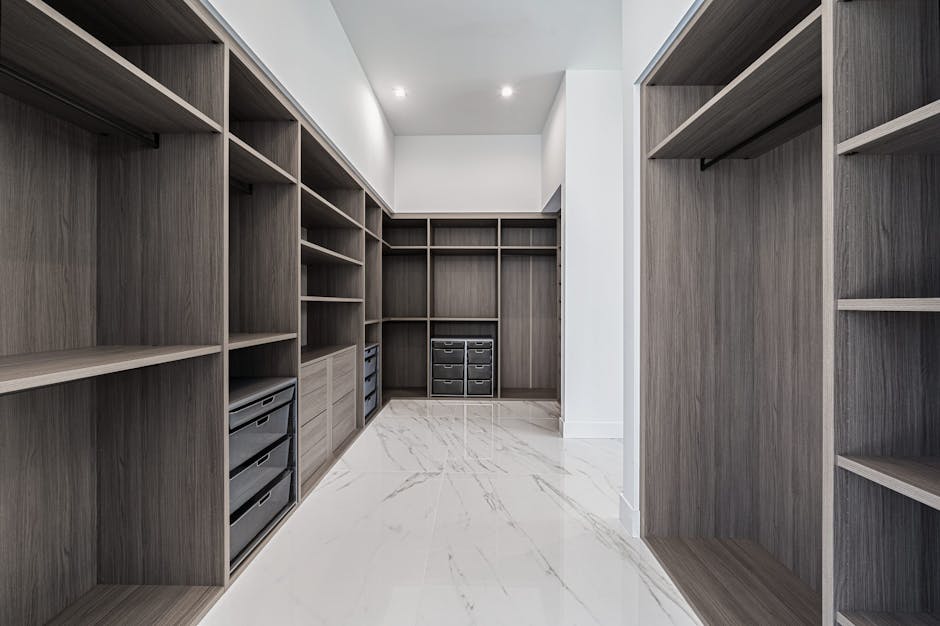
Photo by Haider Syed / Pexels
The Storage Space Paradox in 2026 New Construction Homes
If you've recently purchased a newly constructed home, you've probably noticed something frustrating: there's barely anywhere to store anything. Many homeowners find themselves shocked by the dramatic difference in storage capacity between homes built in 2026 and those from decades past. One homeowner shared their experience comparing their 2006 home to a 1969 house, noting they had to eliminate 75% of their clothing collection simply because closets were a quarter of the size. Even after moving to a home 450 square feet smaller, they still needed to rent a storage unit. This isn't just a personal inconvenience—it's becoming a widespread complaint that reveals significant changes in how builders approach home design.
The question many homeowners are asking is simple: why are builders making homes with so little storage? The answer involves a complex mix of economics, design trends, and market priorities that have shifted dramatically over the past few decades.
Economics: Why Builders Prioritize Square Footage Over Storage
The primary reason newer construction homes have minimal storage comes down to profit margins. Builders in 2026 face intense pressure to keep costs down while maximizing the perceived size of homes. Here's the math: a finished square foot of living space—like a bedroom, kitchen, or living room—is what buyers see and what listing agents advertise. A closet, pantry, or storage room doesn't add the same appeal or resale value, at least not dollar-for-dollar compared to open living areas.
When a builder can choose between creating a spacious master bedroom or adding substantial closet space, they'll choose the bedroom because that's what sells. The same applies to pantries versus larger kitchens. From a pure business standpoint, dedicating square footage to hidden storage doesn't maximize return on investment the way dramatic open spaces do.
Additionally, labor costs for installing built-in storage solutions—custom closet systems, shelving, and organizational features—have increased substantially. Builders can save on labor by installing minimal closets and leaving the space open for future customization. This shifts the burden to homeowners who must either accept cramped storage or invest in aftermarket solutions like closet organizer systems and garage storage shelving.
Design Trends Prioritizing Open Concept Living
The architectural style preference of recent decades has shifted dramatically away from compartmentalized homes toward open concept designs. This trend, which dominated home design from the 2000s through the 2020s and continues in 2026, emphasizes flowing spaces without walls or barriers. While this creates an illusion of spaciousness and allows for better natural light and sightlines, it directly conflicts with functional storage.
Closed-off pantries, butler's pantries, utility closets, and storage rooms don't fit the modern aesthetic that builders are marketing. Instead, they're being eliminated in favor of open kitchens and living areas. Home buyers in 2026 often prioritize the visual appeal of a modern open kitchen over the practical functionality of a walk-in pantry or adequate cabinet space.
This design philosophy has created a storage crisis that's fundamentally different from homes built in the 1960s and 1970s. Those older homes embraced smaller, compartmentalized spaces—separate dining rooms, dens, utility rooms, and spacious closets in every bedroom. While older homes felt more cramped in some ways, they were infinitely more functional for everyday storage needs.
The Impact of Smaller Lot Sizes and Smaller Overall Homes
Many newer construction developments are being built on smaller lots with smaller overall square footage than homes from previous generations. Developers can fit more homes per acre on smaller lots, which increases profit per land purchase. This means that even if storage percentages remained the same, the absolute amount of storage in a 2,000 square foot 2026 home would be less than in a 2,500 square foot 1970s home.
The pressure to build efficiently on smaller lots has cascading effects. Smaller homes mean smaller closets, smaller garages, and fewer dedicated storage spaces. A garage that can barely fit one car instead of two eliminates the traditional storage function garages once provided. Instead of storing seasonal items, tools, and household goods, garages are now barely functional for vehicle parking.
Comparison: Storage in Older vs. New Construction Homes
| Feature | 1960s-1970s Homes | 2026 New Construction |
|---|---|---|
| Master Bedroom Closet | Walk-in, 100+ sq ft | Single-rod, 40-60 sq ft |
| Kitchen Storage | Butler's pantry + cabinets | Cabinets only, minimal depth |
| Linen/Utility Closets | Multiple rooms | Rarely included |
| Attic Storage | Finished or unfinished | Vented attic, limited access |
| Garage Utility | 2-3 car with storage wall | Barely fits 1-2 cars |
| Basement Space | Full basement for storage | Finished rooms, less storage |
Solutions for Homeowners Facing Storage Shortages in 2026
If you're stuck in a new construction home without adequate storage, you're not without options. While you can't add square footage easily, you can maximize what you have through strategic solutions.
Invest in Smart Storage Systems
Custom closet systems have become more affordable and efficient. Products like double-hang closet rod systems can instantly double your hanging capacity. Under-bed storage containers, vertical shelving, and door-mounted organizers add up quickly without requiring renovation.
Utilize Vertical Space
In 2026, vertical storage solutions are more accessible than ever. Wall-mounted shelving, tall cabinets that reach the ceiling, and corner storage solutions maximize the space you have. Many homeowners find that going vertical saves floor space while accommodating more items.
Consider Garage Storage Solutions
Since garages are typically underutilized for actual vehicle storage in many 2026 homes, they're prime real estate for organized storage. Wall-mounted systems, ceiling racks, and modular shelving units like heavy-duty metal garage shelving units can transform a garage into functional storage space.
Rethink What You Keep
Sometimes the most practical solution is the hardest: becoming more intentional about what you own. The homeowner who reduced their clothing collection by 75% actually found this liberating. In 2026, minimalist living isn't just a trend—for many, it's a necessity when living in homes with limited storage.
Key Takeaways
- Economics drive the trend: Builders prioritize finished living space over storage because it directly impacts resale value and profit margins
- Design preferences matter: Open concept living has become the aesthetic standard, eliminating functional pantries and utility rooms
- Lot sizes are smaller: Developments are denser with smaller homes, reducing overall square footage available for storage
- Solutions exist: Custom storage systems, vertical organization, and intentional living can partially offset the storage deficit
- This is a widespread issue: Storage complaints in 2026 new construction are increasingly common, affecting homeowners across all markets
FAQs About Storage in New Construction Homes
Why don't builders include more closet space if buyers want it?
Builders focus on what generates return on investment. A 10-foot-by-12-foot bedroom sells better than an 8-foot-by-12-foot bedroom with a spacious closet, even though the total square footage is the same. Additionally, labor costs for custom closet installation are higher than simply framing a larger bedroom.
Are there any new home builders in 2026 addressing the storage problem?
Some builders are beginning to recognize that storage is a selling point, particularly in the luxury market. A few progressive builders are experimenting with dedicated pantries, mudrooms, and larger closets as premium features. However, these typically add significant cost to the final price.
Should I look for older homes if storage is important to me?
Older homes do offer more storage, but they come with tradeoffs: older systems, less efficient layouts, smaller square footage, and potentially more needed repairs. The decision depends on whether you prioritize storage functionality or modern conveniences and lower maintenance.