0.00 Breathalyzer DUI Charges in Washington State 2026: Legal Rights & Defense
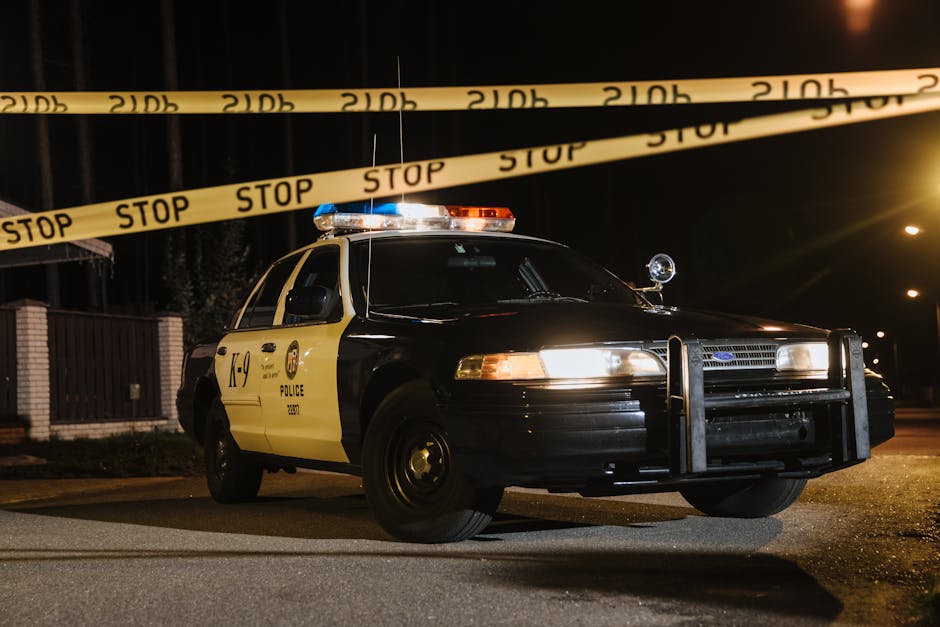
Photo by cottonbro studio / Pexels
Understanding DUI Charges in Washington State Despite a 0.00 BAC
Being pulled over for a suspected DUI is stressful enough, but receiving a citation for violating RCW 46.61.502 (driving under the influence) despite blowing a 0.00 on the breathalyzer can feel particularly unjust. This situation occurs more frequently than many realize, and it's crucial to understand what it means legally and how to mount an effective defense.
In Washington State, law enforcement can cite drivers for DUI even without alcohol present in their system. The statute RCW 46.61.502 specifically addresses driving while under the influence of intoxicating liquor and/or drugs. The key word here is "and/or" — this means an officer can pursue charges based on impairment from drugs alone, regardless of alcohol levels.
Why You Can Be Cited for DUI with a 0.00 BAC
Washington's DUI laws are broader than many people expect. Officers are trained to recognize signs of impairment beyond just alcohol consumption. When you register a 0.00 on the breathalyzer, it doesn't automatically clear you of DUI suspicion — it simply rules out alcohol. The officer may still believe you're impaired by drugs or other substances.
In the case discussed, several factors contributed to the officer's suspicion:
- Red, puffy eyes from crying
- Nervous behavior and stuttering
- The driver's mention of being in recovery at an Oxford House
- Officer inference about potential drug use
This highlights a significant problem in DUI enforcement: subjective observations can lead to charges even when objective evidence (the breathalyzer) shows no alcohol impairment. Officers receive training in Standardized Field Sobriety Tests (SFSTs) and Drug Recognition Expert (DRE) protocols, but these assessments can be flawed or influenced by bias.
Challenging 0.00 BAC DUI Citations: Key Defense Strategies
If you've received a DUI citation despite a negative breathalyzer result, several defense strategies may apply to your case:
Medical and Physical Explanations
Many conditions and situations mimic impairment symptoms without involving drugs or alcohol:
- Crying and emotional distress (which causes red, puffy eyes)
- Speech impediments and nervous stuttering
- Fatigue or sleep deprivation
- Medical conditions like diabetes, epilepsy, or neurological disorders
- Allergies or eye irritation
- Medications that cause drowsiness or affect coordination
Your attorney can present medical evidence explaining why your behavior appeared suspicious but wasn't actually caused by impairment.
Chain of Custody and Testing Issues
If the case progresses to include blood or urine tests, examine whether proper procedures were followed. Testing errors, contamination, or procedural violations can invalidate results and strengthen your defense.
Officer Training and Bias
Question whether the officer had proper DRE training and whether their observations were objective. In the Reddit case mentioned, the officer seemed to make assumptions based on the mention of being in recovery rather than observable impairment. This represents potential confirmation bias — the officer formed a conclusion and then interpreted behaviors to confirm it.
Lack of Probable Cause
The stop itself must be justified. If the officer only stopped you for a headlight violation and then extended the traffic stop beyond its original purpose, this may violate your constitutional rights. Extended stops without sufficient grounds for suspicion can be challenged.
Comparing DUI Scenarios in Washington State
| Scenario | BAC Level | Citation Possible | Primary Evidence |
|---|---|---|---|
| Alcohol Impairment | 0.08% or higher | Yes (Per Se) | Breathalyzer/Blood test |
| Drug Impairment | 0.00% | Yes (Impairment) | Officer observations, blood test |
| Emotional Distress | 0.00% | Legally questionable | Medical explanations, witness testimony |
| Medication Side Effects | 0.00% | Yes (if impairing) | Prescription records, medical documentation |
What to Do If Cited for DUI with 0.00 BAC
If you find yourself in this situation, take these steps immediately:
Document Everything
Write down detailed accounts of the traffic stop while it's fresh in your memory:
- Exact time and location
- Weather and road conditions
- Why the officer stopped you
- Questions asked and your responses
- Physical tests performed
- Any statements made by the officer
- Witnesses present
Request Police Reports and Dashcam Footage
File a public records request for the officer's dashcam and body camera footage. This video evidence can be crucial in showing that you weren't actually impaired.
Seek Medical Documentation
If medical conditions explain your appearance or behavior (like the speech impediment in the case discussed), get written statements from your doctor or medical provider. This creates a legitimate, documented reason for what the officer observed.
Hire a DUI Defense Attorney
This is essential. A qualified Washington DUI attorney can:
- Review the stop for legality and proper procedure
- Challenge the officer's qualifications and observations
- Request independent testing of any blood samples
- Negotiate with prosecutors
- Represent you in court
Key Takeaways
- Washington State allows DUI citations based on drug impairment alone, even with 0.00 BAC
- Officer observations can be subjective and influenced by bias
- Medical explanations for apparent impairment symptoms are valid defenses
- The legality of the traffic stop itself matters significantly
- Video evidence and medical documentation strengthen your case
- An experienced DUI defense attorney is critical for protecting your rights
- Being in recovery doesn't automatically imply recent drug use
- Emotional distress (crying, nervousness) and speech impediments aren't proof of impairment
Frequently Asked Questions
Can I be convicted of DUI if my breathalyzer was 0.00?
Yes, it's possible. Washington law allows convictions for drug-impaired driving regardless of BAC. However, the evidence must still prove impairment beyond reasonable doubt. A 0.00 breathalyzer is strong evidence in your favor and creates reasonable doubt about your actual impairment. Your attorney can use this to argue that subjective officer observations are insufficient.
What does RCW 46.61.502 specifically prohibit?
This statute prohibits driving or being in actual physical control of a vehicle while under the influence of intoxicating liquor and/or drugs, or while affected by any drug to a degree that impairs driving ability. The "and/or" is crucial — it means alcohol isn't required for a citation. However, actual impairment must still be proven.
Should I mention being in recovery during a traffic stop?
This is a difficult question. While honesty is generally important, mentioning recovery status can unfortunately lead to exactly the kind of bias seen in the Reddit case. An officer might assume continued drug use. Consult with an attorney beforehand about how to handle such questions. You have the right to decline field sobriety tests and to remain silent beyond providing license, registration, and insurance information.